

More news on this day
Passengers traveling through Des Moines International Airport on Thursday, April 2, faced a fresh wave of disruptions, with publicly available tracking data showing eight flight cancellations and 25 delays affecting routes to major hubs such as Chicago and Dallas, as well as other destinations across the United States.
Get the latest news straight to your inbox!
Regional Carriers Lead Disruptions Out of Des Moines
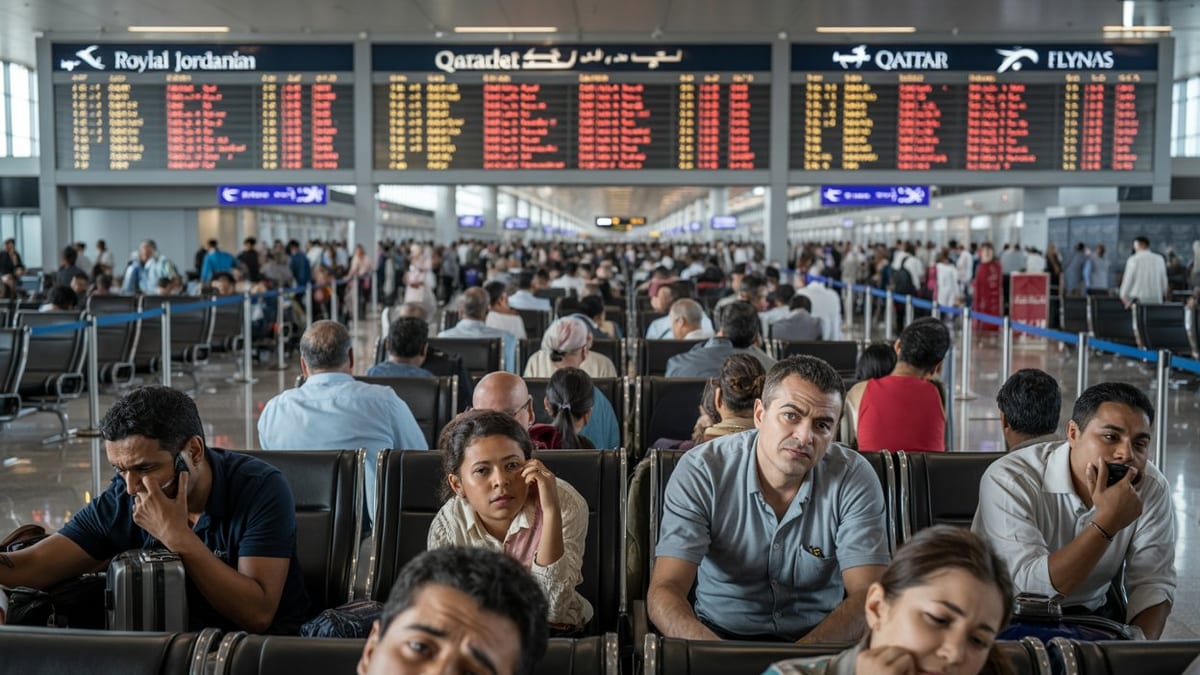
Flight status boards at Des Moines International Airport reflected a challenging travel day for regional carriers. Publicly available information from flight-tracking services indicated that SkyWest-operated services, along with flights marketed by PSA Airlines and low-cost carrier Allegiant Air, accounted for a substantial share of the disruptions.
Several SkyWest flights connecting Des Moines with Chicago O'Hare were listed as delayed or disrupted, while additional regional services to other Midwestern and national hubs experienced knock-on schedule problems. PSA Airlines, which typically operates regional flights on behalf of larger network brands, appeared among the affected operators, adding to challenges for passengers with onward connections.
Allegiant Air, which runs less frequent point-to-point routes from Des Moines to leisure destinations, was also affected, with schedule changes and gaps in planned departures noted for some flights. For travelers relying on these infrequent services, even a single cancellation or prolonged delay can translate into multi-day itinerary changes or the need to reroute through distant airports.
The volume of affected flights remained modest compared with larger national hubs, but the impact on individual travelers at a smaller airport like Des Moines was more pronounced, particularly for those with limited alternative departure options on the same day.
Stormy Spring Weather Adds to Operational Strain
The disruptions in Des Moines coincided with a period of unsettled early spring weather that has been affecting air travel across parts of the United States. National media coverage in recent weeks has highlighted severe storms and heavy rain prompting thousands of cancellations and delays at major airports, creating broader strain on airline networks.
Local conditions at Des Moines on Thursday included moderate rain and low clouds, according to publicly available aviation weather observations. While far from the most extreme weather seen nationally, such conditions can still slow operations by requiring increased spacing between arriving and departing aircraft and more cautious ground handling procedures.
Federal transportation analyses describe many of these situations as part of the national aviation system, where non-extreme weather interacts with air traffic control constraints and airport congestion to create rolling delays. In such scenarios, relatively minor local weather issues can cascade into broader disruptions when aircraft and crews are already operating tight schedules.
For carriers like SkyWest and PSA Airlines, which run dense regional networks heavily dependent on aircraft and crew rotations, a single delay or diversion in one city can quickly ripple through to airports like Des Moines later in the day, even if local skies have improved.
Impacts Felt on Routes to Chicago, Dallas and Beyond
The bulk of Thursday’s disruptions focused on key connecting markets, particularly Chicago and Dallas, which serve as vital hubs for travelers from Des Moines heading to destinations across the country. Delayed or canceled departures to these hubs can strand passengers who rely on tight connections to reach the East Coast, West Coast or southern leisure markets.
SkyWest-operated flights between Des Moines and Chicago, which typically feed into major airline networks at O'Hare, showed a mix of schedule changes and performance issues over the past two days. Even when some flights operated close to schedule, others faced delays that created uncertainty for travelers planning onward connections.
Regional services tied into Dallas-area hubs also experienced timing issues, according to same-day tracking data. On days when capacity from Des Moines is limited and frequencies are sparse, even modest disruptions can force airlines to rebook customers onto flights departing many hours later or on the following day.
Beyond these marquee hubs, scattered delays affected additional domestic routes out of Des Moines, including service to leisure destinations and secondary cities. With Allegiant Air’s point-to-point model offering only select days of service on some routes, the absence of a scheduled flight on a disrupted day can leave passengers with few non-stop alternatives.
Performance Context for SkyWest, PSA and Allegiant
Recent federal on-time performance data for regional carriers offers context for Thursday’s issues. Department of Transportation statistics show that SkyWest has historically reported a higher share of delays and cancellations than some larger mainline airlines, reflecting the operational complexity of its multi-brand regional network. The same datasets indicate that PSA Airlines has also faced a measurable, though smaller, proportion of late operations and cancellations.
Analysts often point out that regional operators are especially vulnerable to staffing, maintenance and aircraft positioning challenges. A single crew timing out or an aircraft taken out of service for maintenance can leave small and mid-sized airports with no ready backup. When coupled with weather-related air traffic restrictions, this dynamic magnifies the risk of same-day cancellations.
Allegiant Air’s performance has drawn public scrutiny in recent years as well, with government statistics and passenger accounts highlighting a pattern of concentrated disruptions when irregular operations occur. Although Allegiant’s overall punctuality has shown periods of improvement, its limited flight frequencies at airports such as Des Moines mean that passengers may face longer recovery times when a flight is canceled or seriously delayed.
Industry observers note that while airlines frequently attribute disruptions to weather, federal reporting distinguishes between delays driven primarily by weather and those linked to internal airline causes such as crew, maintenance or scheduling problems. That distinction can be important for travelers seeking redress or assessing the reliability of specific routes and carriers.
What Travelers Through Des Moines Can Expect Next
With the busy spring and early summer travel seasons approaching, aviation planners anticipate continued sensitivity to weather and network disruptions at mid-sized airports like Des Moines. Construction and expansion projects at the airport, including work on a new terminal complex, are intended to increase capacity and improve operations over the longer term, but short-term resilience continues to depend largely on carrier scheduling decisions and national airspace conditions.
Travel advisories and consumer guides recommend that passengers departing from airports with limited daily frequencies build in additional time for connections through major hubs such as Chicago and Dallas. Booking earlier flights in the day and avoiding tight layovers are frequently cited strategies to reduce the risk of missed connections when disruptions, like those recorded on Thursday, occur.
Consumer advocates also point to the importance of understanding airline policies on rebooking, lodging and meal assistance in the event of cancellations and extended delays. While there is no broad U.S. requirement for financial compensation when flights within the country are disrupted, carriers often provide vouchers or hotel support under specific circumstances when disruptions fall within their control.
For now, travelers passing through Des Moines International Airport may continue to see occasional clusters of delays and cancellations tied to regional carriers and hub connections. As airlines adjust schedules and staffing in response to recent storms and ongoing operational pressures, passengers on routes to Chicago, Dallas and other U.S. cities are likely to watch flight status boards closely before heading to the airport.