

More news on this day
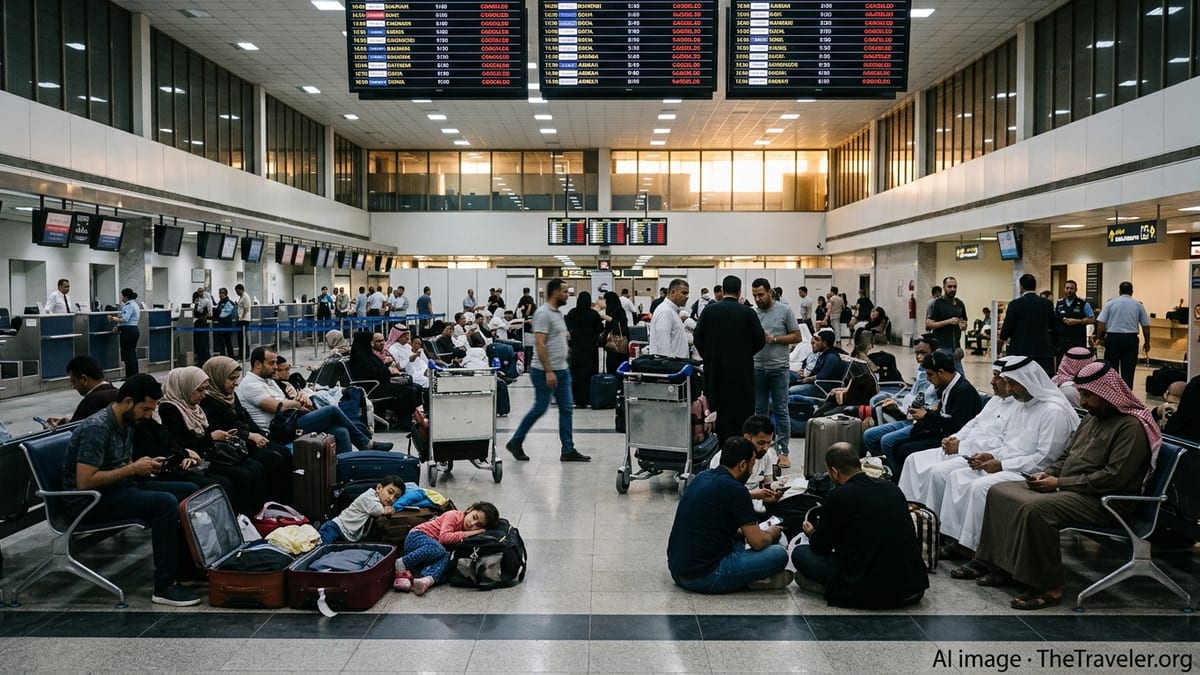
Thousands of passengers across Turkey faced hours of disruption on March 30 as Pegasus Airlines and Gulf Air routes through Istanbul were hit by nine flight cancellations and more than 200 delays, compounding weather and airspace challenges already straining regional aviation.
Get the latest news straight to your inbox!
Severe Weather Compounds Istanbul Airport Congestion
Heavy rain and low visibility around Istanbul on March 29 and 30 led to widespread disruption at the city’s key airports, particularly Sabiha Gökçen on the Asian side. Publicly available airport data and local coverage indicate that dozens of aircraft struggled to land on Sunday as storms moved across the Marmara region, forcing holding patterns, diversions and missed slots that cascaded into the Monday schedule.
At Sabiha Gökçen, reports indicate that poor conditions late on March 29 prevented scores of arrivals from touching down as planned, with aircraft rerouted to alternate airports. The resulting backlog of aircraft and crews reduced operational flexibility on March 30, when Pegasus Airlines, one of the dominant carriers at the airport, was already planning a dense schedule of domestic and regional flights.
With runways and airspace operating at reduced capacity, departure and arrival banks through the morning and early afternoon began to stretch far beyond their scheduled times. Live tracking data showed repeated holding patterns for Istanbul arrivals and a series of late pushbacks on outbound flights, particularly on short haul routes where tight turnarounds are the norm.
By late afternoon on March 30, operational summaries for Turkey’s main airports showed over 200 delayed flights involving Pegasus and Gulf Air services, as well as nine cancellations concentrated on routes into and out of Istanbul. The combination of weather and preexisting congestion left many passengers facing missed connections and long queues at rebooking desks.
Pegasus Airlines Bears Brunt at Sabiha Gökçen
Pegasus Airlines, headquartered at Sabiha Gökçen, appeared to shoulder much of the disruption as storms intersected with one of its busiest travel periods. Tracking platforms on Monday showed irregular operations across the carrier’s domestic network, including routes to cities such as Kayseri and Izmir, with rotation delays rippling out from Istanbul.
Earlier in the winter, Turkish media coverage had already highlighted Pegasus cancellations from Istanbul during periods of adverse weather, underscoring the vulnerability of tightly timed low cost operations to sudden capacity cuts. On March 30, a similar pattern emerged as crews and aircraft were displaced by diversions and extended ground times, limiting the airline’s ability to recover quickly once conditions improved.
Passengers connecting through Sabiha Gökçen reported extended waits in transit and difficulty accessing timely information about revised departure times. Recent public discussions on consumer forums have pointed to recurring complaints about long overnight waits in Istanbul following Pegasus delays, and the latest wave of disruption is likely to renew scrutiny of passenger care obligations under Turkish and European regulations.
Despite the scale of Monday’s disruption, Pegasus maintained a significant portion of its schedule, prioritising core trunk routes while consolidating or cancelling lower demand services. However, the nine recorded cancellations involving Pegasus and Gulf Air flights meant that some travellers were forced to seek alternative carriers or postpone trips altogether.
Gulf Air Feels Impact of Regional Airspace Constraints
Gulf Air, which links Bahrain with Istanbul and other regional destinations, was also swept up in Monday’s operational turbulence. The carrier has been operating under broader West Asia airspace constraints in recent weeks, as various airlines adjust routings and frequencies in response to shifting risk assessments and regulatory guidance.
According to recent public advisories and travel industry reporting, airlines serving the Gulf region have been trimming or rerouting services, leaving limited slack in schedules and narrower options for rebooking. For Gulf Air passengers connecting through Istanbul and Bahrain, even modest delays on a single leg can translate into missed onward flights, particularly on routes served only once daily.
On March 30, live departure boards showed Gulf Air services to and from Istanbul experiencing extended delays alongside their Pegasus counterparts. While only a fraction of the more than 200 affected flights were operated by Gulf Air, the timing of the disruption within already constrained regional networks heightened the impact on travellers bound for South and Southeast Asia.
Travel agents in Turkey and the Gulf region have noted in recent weeks that some Gulf Air tickets have become more flexible in light of ongoing airspace challenges, with advisories allowing voluntary cancellations or changes during defined windows. Monday’s operational problems in Istanbul added another layer of complexity for passengers trying to interpret their options and secure seats on alternative departures.
Major Istanbul Routes and Transit Hubs Disrupted
The bulk of Monday’s delays and cancellations were concentrated on major routes into and out of Istanbul, underscoring the city’s role as a critical hub for both Turkey and the wider region. Flight monitoring data indicated that services linking Istanbul with Dubai, Abu Dhabi, Amman and other key markets drew heightened tracking interest, as travellers watched for updates on potential knock-on delays.
Istanbul’s dual-airport system, with Istanbul Airport on the European side and Sabiha Gökçen on the Asian side, is designed to absorb high traffic volumes and provide redundancy in periods of stress. However, when poor weather and tight schedules coincide, disruptions can spread quickly across both facilities, especially for carriers like Pegasus that rely heavily on short ground times and high aircraft utilisation.
Domestic routes were far from immune. As flights from Istanbul to Anatolian cities pushed back late or departed with missing connecting passengers, airports such as Kayseri, Trabzon and Antalya experienced their own localized delays. For travellers planning to reach smaller destinations by evening, a missed morning connection in Istanbul could mean an unscheduled overnight stay.
Internationally, delays on Istanbul departures created stress points at downstream hubs as well. Passengers whose Pegasus or Gulf Air flights ran late into Bahrain or other Gulf gateways often found that onward departures were closed, forcing rebookings onto later services already burdened by previous disruptions across West Asia.
Travellers Navigate Claims, Rights and Future Bookings
Monday’s wave of cancellations and delays has once again pushed passenger rights and compensation mechanisms into the spotlight. Publicly available guidance from regulators and consumer organisations notes that travellers departing from or arriving in Turkey may be covered by national rules that resemble European Union compensation standards in some circumstances.
Discussions on travel and legal forums over recent months show that Pegasus customers affected by long delays have pursued reimbursement and compensation with mixed success, often navigating complex distinctions between weather related events and disruptions attributed to airline operations. The March 30 disruptions, triggered by a combination of adverse weather and network congestion, may test those boundaries again.
For Gulf Air passengers, the picture is similarly nuanced, particularly where delays intersect with broader airspace restrictions. Published airline policies outline various scenarios for missed connections and involuntary schedule changes, but individual outcomes often depend on ticket type, routing and whether disruption is classified as within the carrier’s control.
Travel experts routinely advise passengers facing extensive delays in Istanbul to document boarding passes, delay durations and any out of pocket expenses, and to submit claims in writing using official channels once travel is complete. With storms in the Marmara region still forecast to flare intermittently at the start of the spring travel season, Monday’s chaos serves as a reminder to allow generous connection times through Istanbul and to monitor flight status closely in the days before departure.