

More news on this day
Thousands of air travelers across New Zealand and Australia faced widespread disruption today as severe weather and heavy fog triggered dozens of cancellations and hundreds of delays at major airports including Auckland, Christchurch, Sydney and Melbourne, leaving passengers stranded and airline schedules in disarray.
Get the latest news straight to your inbox!
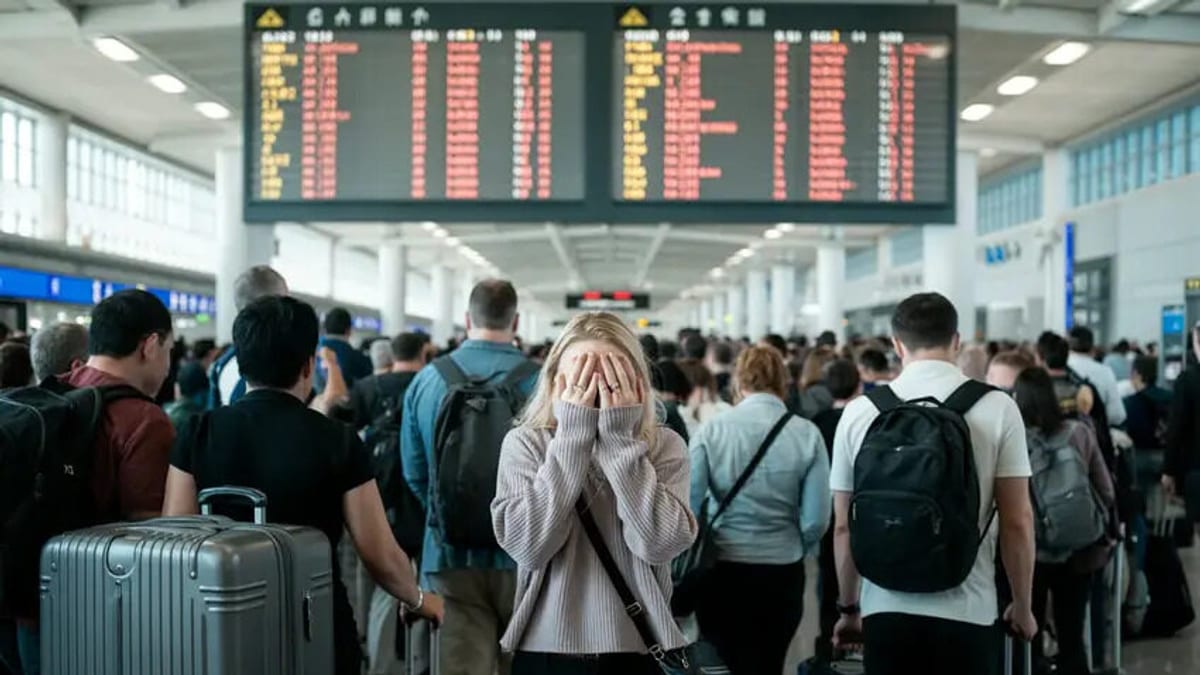
Image by Travel And Tour World
Major Hubs Hit By Wave Of Cancellations And Delays
Publicly available flight tracking data and local media reports indicate that more than 70 flights have been cancelled and well over 600 delayed across the trans Tasman network and key domestic routes. The disruption is concentrated at Auckland, Christchurch, Sydney and Melbourne, with knock on effects at secondary airports such as Nelson and regional centers in both countries.
Operations at Auckland and Christchurch have been constrained by bands of heavy rain and low cloud moving across both the North and South Islands. In Australia, fog and low visibility around Sydney and Melbourne have pushed early morning and late evening services off schedule, creating a rolling backlog through the day as aircraft and crews fall out of position.
On a typical day, New Zealand government on time performance data show several thousand scheduled movements across domestic and trans Tasman routes. When a weather system forces even a small percentage of those flights to cancel or significantly delay, tens of thousands of passengers can be affected within hours, particularly at peak travel times.
Today’s pattern fits a broader trend in the region where already stretched airline operations are vulnerable to compounding shocks. With aircraft utilization running high and spare capacity limited, a run of cancellations at one or two hubs can quickly cascade along the network, affecting flights hundreds or thousands of kilometers away.
Qantas, Air New Zealand And Global Carriers Scramble
The disruption has hit both local and international airlines. Schedules from Qantas and Air New Zealand have been particularly affected on busy trans Tasman sectors linking Auckland, Christchurch, Wellington, Sydney and Melbourne, where flight punctuality is already under pressure during peak seasons, according to recent aviation performance reports.
International long haul operators including Japan Airlines and Emirates have also reported interruptions to services that route through the affected hubs. When inbound widebody flights are unable to land on time or must divert to alternative airports, the onward legs of those journeys can be cancelled or heavily delayed, stranding connecting passengers throughout the network.
Publicly available information from airline portals and traveller forums shows a familiar pattern taking shape. Outbound long haul departures are pushed back while aircraft wait on inbound connections or weather windows, and once pilots and cabin crew reach duty time limits, services may be cancelled outright. Recovery then requires additional crews, spare aircraft and open slots in already congested schedules.
In the case of Emirates and other Gulf carriers, disruptions at Sydney, Melbourne and Auckland can reverberate as far as Europe, Africa and the Middle East. Missed connections in Australia and New Zealand ripple forward into missed onward connections at mega hubs, extending the impact of a local weather event into a multi region operational challenge.
Regional Airports From Nelson To Cairns Feel The Knock On
While the headline impact is visible at the major international gateways, regional airports are also experiencing significant strain. Flights into and out of centers such as Nelson in New Zealand and coastal destinations in Australia are more vulnerable because they rely on tight connections with trunk routes from Auckland, Christchurch, Sydney and Melbourne.
When those larger hubs seize up, regional flights may be among the first to be cancelled so that airlines can prioritize limited aircraft and crew for higher demand services. Historical government data on New Zealand’s domestic network show that smaller centers can see double digit cancellation rates during periods of severe weather as carriers concentrate on maintaining core corridors.
For travelers in these regions, the options are often limited. With fewer daily flights and little or no spare capacity, a cancellation can mean an overnight or multi day wait for the next available seat. Buses and ferries in parts of New Zealand can offer alternatives, but longer distances and intermittent road closures during storms reduce the viability of those options.
In Australia, the distances involved between regional centers and capitals make air travel a critical link. When fog and storms ground services into Sydney or Melbourne, regional travelers can find themselves cut off from medical appointments, business commitments and connecting international flights, compounding the personal and economic cost of disruption.
Weather Systems Expose Fragile Aviation Resilience
The current wave of cancellations and delays comes against the backdrop of increasingly volatile weather patterns across the Tasman region. Recent storm systems in New Zealand, including heavy rain events that brought flooding and landslips to the North and South Islands, have already demonstrated how quickly transport networks can be overwhelmed.
Winter flooding in 2025, which affected the Tasman and Nelson regions and disrupted flights for days, underlined the vulnerability of smaller airports and their access routes when extreme rain or wind hits. More recent severe weather in early 2026 again forced the closure of roads and prompted temporary suspensions of air services as safety margins narrowed.
Operationally, airlines and airports have made incremental improvements through better forecasting, more flexible scheduling tools and the use of performance based navigation to land in marginal conditions. However, observers note that these gains can be offset by high load factors, aging fleets in some segments and tight staffing, all of which reduce slack in the system when adverse weather arrives.
In practical terms, that means passengers are more exposed to widespread disruption even when the immediate meteorological trigger is relatively short lived. A few hours of dense fog or a fast moving front can translate into a full day of cancellations and multi day delays for baggage and aircraft repositioning as airlines work through the backlog.
Passengers Face Long Queues, Limited Options And Compensation Questions
Travelers caught up in today’s disruption report long queues at check in and service desks as they seek rebookings and accommodation. With so many flights affected simultaneously, alternative itineraries are scarce, particularly for those needing international connections through Sydney, Melbourne or Auckland.
Government guidance in both New Zealand and Australia sets out various rights for passengers dealing with delays and cancellations, but the specifics depend on the cause of the disruption and the airline’s conditions of carriage. Weather related interruptions can limit compensation in many cases, even as carriers still provide meals, hotel rooms or rebooking options when possible.
Public discussion in recent years has focused on whether existing consumer protections are sufficient in an era of more frequent extreme weather events and high load factors. As airlines cancel more flights pre emptively to avoid long ground delays and diversion costs, travelers are increasingly calling for clearer, more consistent rules on refunds, vouchers and care obligations in the region.
For now, passengers in New Zealand and Australia are being advised by publicly available travel advisories and airport notices to check their flight status before leaving for the airport, allow extra time for security and border processing, and be prepared for last minute changes as airlines and air traffic controllers respond to evolving weather conditions.