

More news on this day
Flights in and out of Orlando International Airport are facing fresh disruption as spring storms over central Florida combine with congestion at major U.S. and European hubs, creating rolling delays on domestic and transatlantic routes.
Get the latest news straight to your inbox!
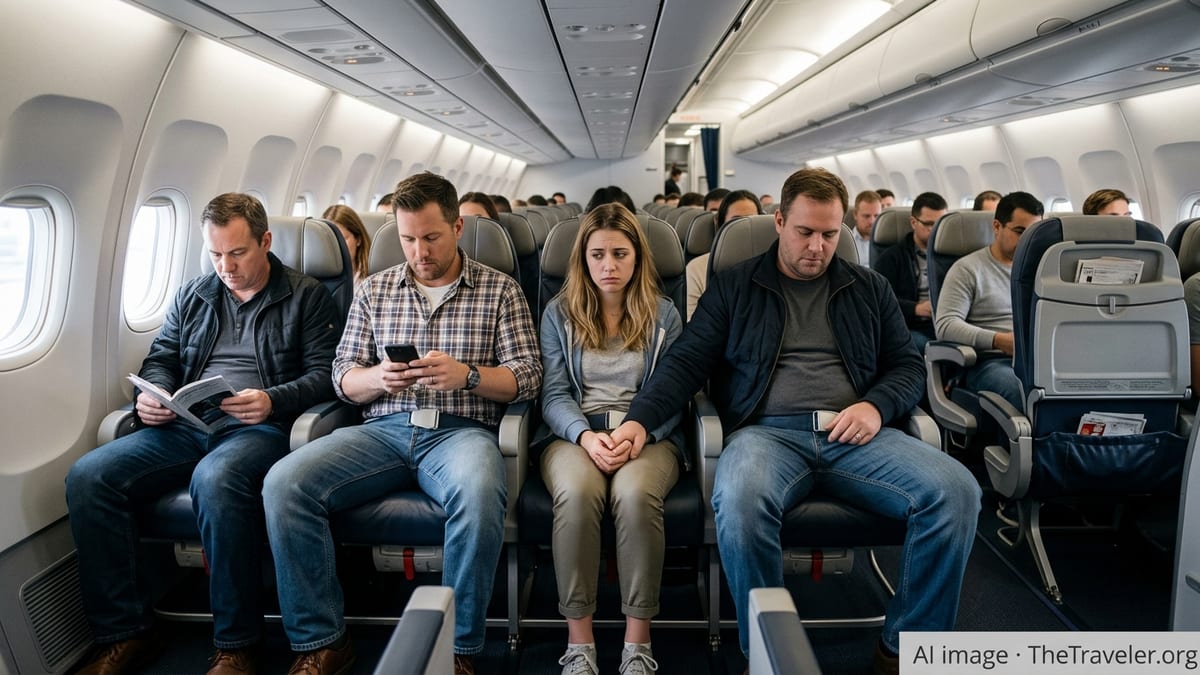
Thunderstorms Slow Departures From Orlando
Orlando International Airport entered the first April weekend under unstable weather, with forecasters warning of afternoon storms and heavy rain across central Florida. Public bulletins flag a heightened risk of thunderstorms and slowing road traffic, particularly along Interstate 4, which funnels many travelers to the airport. The unsettled conditions are arriving at the same time as a busy holiday travel window, increasing the likelihood of schedule disruptions.
Federal aviation status boards for Orlando show weather-related departure delays, with thunderstorms cited as the primary factor. Recent updates list departure hold times in the range that can easily cascade into missed connections, especially for passengers attempting to link from Orlando to long-haul flights elsewhere in the United States.
Social media posts and traveler reports from late March already described heavy crowds and long lines at Orlando’s terminals as storms and airline-specific issues led to clusters of cancellations. Space inside the main terminal and gate areas has been tight during peak periods, raising the stakes for any new round of weather disruption at the start of April.
Security wait times, by contrast, have so far remained relatively moderate, with some monitoring services reporting typical queues in the 15 to 30 minute range during morning hours. That has not offset the impact of downline delays, however, as aircraft arriving late from other storm-hit regions remain one of the biggest drivers of schedule slips.
Holiday Crowds Collide With Operational Strains
The timing of the latest storms is particularly challenging for Orlando, which is heading into one of its busiest stretches of the year. The combination of school spring breaks, Easter travel and central Florida’s theme-park draw typically brings a surge of domestic visitors and international tourists through the airport.
During March, travelers described shoulder-to-shoulder conditions in some concourses as clusters of flights operated by low-cost carriers were delayed or canceled. Publicly shared accounts referenced dozens of standby passengers vying for limited seats after consecutive cancellations on certain routes, reflecting how quickly an airline-specific problem can spill across the airport’s broader operation.
Airlines serving Orlando are also still absorbing the knock-on effects of severe winter weather earlier in the year. One major U.S. carrier with a significant Orlando presence recently cited two large winter storms and higher fuel costs as key reasons for trimming its first-quarter outlook, noting that the disruptions reduced capacity even as travel demand remained strong. That combination leaves carriers with less spare aircraft and crew to redeploy when new storms strike.
For travelers, the result is a thinner margin for error. Flights that might once have been covered by swapping in a fresh aircraft or reserve crew are now more likely to become lengthy delays or outright cancellations, particularly late in the day when crews face duty-time limits.
Ripple Effects Reach Key U.S. Hubs
Delays originating in Orlando are rippling into the wider U.S. network as aircraft cycle between Florida and northern and Midwestern hubs still recovering from an intense late-winter season. Earlier in March, a powerful blizzard and severe weather system swept across much of the central United States, forcing large-scale schedule adjustments and leaving many carriers with residual imbalances in aircraft and crew positioning.
Those earlier storms prompted widespread cancellations and diversions at major hubs across the Upper Midwest and Great Plains, which in turn affected the on-time performance of flights feeding into Florida. In some cases, aircraft arriving late into Orlando have then departed late to their next destinations, creating a chain of minor delays that grows longer as the day progresses.
Even as weather improves in some northern cities, staffing levels in air traffic control facilities and at airport operations centers continue to receive scrutiny. Industry analyses over the past year have repeatedly linked chronic staffing gaps to longer recovery times after intense weather events, a dynamic that remains visible this spring as airlines attempt to rebuild tightly packed schedules.
For connections out of Orlando to other U.S. cities that serve as transatlantic gateways, such as New York, Boston and Atlanta, these factors increase the risk that passengers will miss evening departures to Europe if early legs of their trip run late. Recent traveler anecdotes include missed onward flights after Orlando departures were delayed or canceled, forcing last-minute rebookings and overnight stays.
Transatlantic Routes Face Added Pressure
Orlando’s growing roster of nonstop and connecting services to Europe is also under pressure from deteriorating weather and congestion on the other side of the Atlantic. Recent reporting on European operations highlights elevated delay and cancellation counts at major hubs including London Heathrow, Paris Charles de Gaulle and Frankfurt, where bad weather and capacity constraints have produced hundreds of delayed services in a single day.
Industry data for the 2025 to 2026 winter season indicate that transatlantic demand between the United States and Western Europe remains robust, with carriers increasing frequencies and adding seasonal routes. One European airline group has highlighted plans to extend service between Paris and Orlando into the 2026 summer period, signaling confidence in sustained two-way leisure traffic.
At the same time, European airspace has seen repeated bouts of disruptive winter weather, from windstorms to heavy snow, which have triggered tactical flow restrictions and ground delays. Air navigation performance reports for Europe show that weather continues to be a major contributor to average departure delay minutes, particularly during peak seasons.
As a result, Orlando-bound flights from Europe are vulnerable not only to storms in Florida but also to congestion and weather challenges at their departure points. This two-sided exposure raises the likelihood that passengers will encounter rolling delays in one direction or the other on transatlantic journeys that connect through or originate in central Florida.
What Travelers Can Expect in the Coming Days
With forecasts suggesting another round of afternoon storms around Orlando and recent evidence of strain at multiple U.S. and European hubs, travelers over the next several days should be prepared for shifting departure times and tight connections. Publicly available flight trackers already show individual services adjusting schedules in response to changing weather and air traffic control conditions.
Travel industry coverage emphasizes that delays related to weather are generally treated differently from controllable disruptions when it comes to compensation or hotel coverage, which can leave passengers bearing more of the cost when thunderstorms or winter storms are the root cause. Some theme parks and local attractions have adopted more flexible refund or credit policies during major storms, but air travel rules have remained comparatively rigid.
Airports and airlines recommend that passengers build in extra time when traveling through busy facilities such as Orlando, particularly during peak holiday periods. For international and transatlantic journeys, this often means arriving several hours before departure and avoiding very tight connection windows when booking multi-leg itineraries.
As central Florida’s storm season gradually intensifies and European hubs continue to balance strong demand with weather and capacity constraints, the corridor between Orlando and key destinations across the United States and Europe is likely to remain vulnerable to periodic bouts of disruption, even when skies appear clear at either end of the route.