

More news on this day
Thousands of U.S. travelers faced cancellations and lengthy delays as more than 200 flights were canceled and over 2,285 delayed nationwide, with disruptions hitting major hubs from New York’s LaGuardia to Anchorage, Chicago, Atlanta, Philadelphia and Orlando.
Get the latest news straight to your inbox!
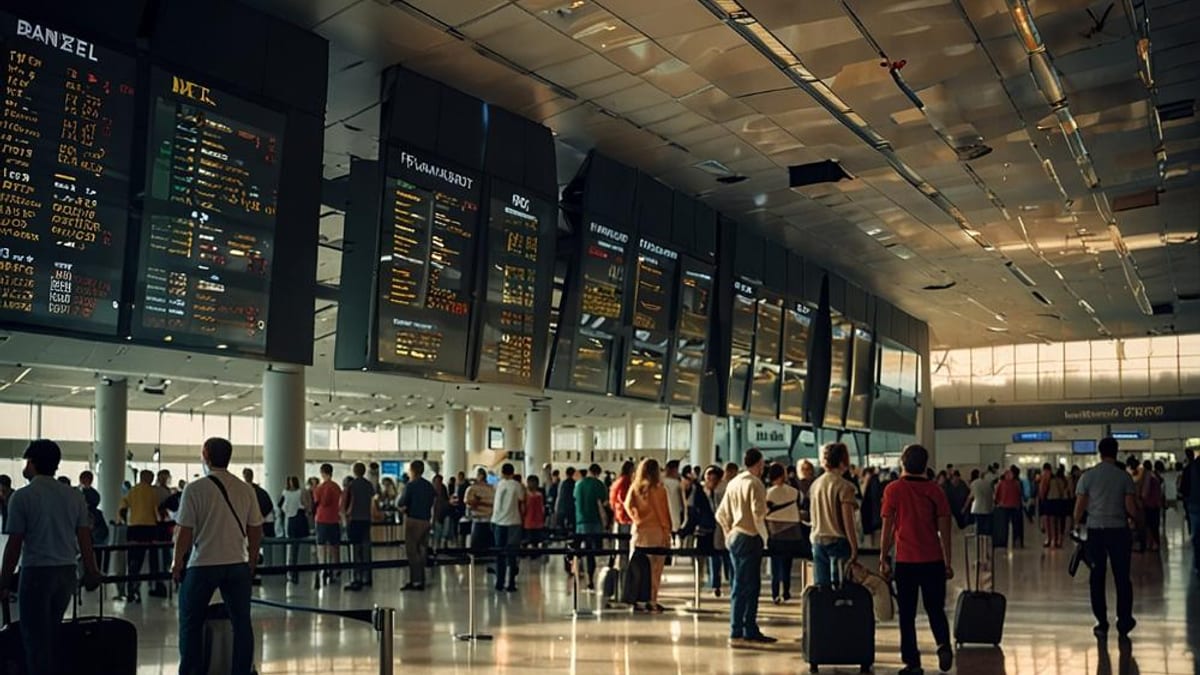
Image by Travel And Tour World
Nationwide Disruptions at Major U.S. Hubs
Publicly available data from flight-tracking services indicates that U.S. airlines including Southwest, Republic, Alaska, Endeavor and Delta experienced a fresh wave of operational disruptions, leading to hundreds of canceled and delayed flights across the domestic network. The impact has been felt most acutely at some of the country’s busiest airports, where even small schedule shocks can cascade throughout the system.
New York’s LaGuardia emerged as one of the hardest-hit facilities, with arriving and departing services experiencing rolling delays. The airport has already seen heightened strain in recent weeks following a serious runway collision and subsequent ground stops, and the latest disruptions added new pressure on already stretched schedules.
In Chicago and Atlanta, two of the nation’s most important connecting hubs, delays built steadily through the day as early-morning schedule changes created knock-on effects. Travelers on regional affiliates such as Republic and Endeavor reported tight connections, gate changes and extended waits, particularly on short-haul routes serving the Midwest and Southeast.
Farther afield, disruptions extended to Anchorage and Orlando, where Alaska Airlines and other carriers adjusted operations in response to weather and network congestion. Philadelphia, another key East Coast gateway, also recorded elevated delays, underscoring how quickly localized issues can become a nationwide problem when multiple hubs are affected at once.
Weather, Congestion and Crew Availability Collide
Recent storms sweeping across North America have repeatedly exposed the fragility of the air travel network. Earlier winter systems in 2026 produced thousands of cancellations over short periods, and meteorological conditions remain a recurring driver of delays, particularly at tightly scheduled hubs such as Atlanta, Chicago and New York.
Reports from aviation analysts highlight how severe weather often combines with congestion and airspace restrictions to amplify service disruptions. When low visibility, snow or strong crosswinds reduce runway capacity, airlines must slow arrivals and departures, quickly creating backups for both mainline and regional carriers.
Crew availability has also become an increasingly visible factor. When flights are delayed for several hours, pilots and flight attendants can time out under federal duty rules, forcing airlines to cancel or further delay services until replacement crews can be positioned. This is particularly challenging for regional operators like Republic and Endeavor, which run dense schedules on smaller aircraft and have limited spare staffing at some outstations.
Industry data reviewed in recent government and academic reports shows that delays linked to national aviation system constraints and late-arriving aircraft have grown as a share of total disruptions over the past decade. That pattern appears to be continuing in 2026, with today’s figures fitting into a broader trend of mounting schedule sensitivity across the network.
Traveler Experience: Long Lines and Frayed Itineraries
For passengers, the statistics translate into real-world frustration: long check-in and security lines, crowded gate areas and uncertainty about when flights will depart. At LaGuardia and Orlando, images shared on social platforms showed passengers clustered around departure boards as rolling delays pushed back departure times, in some cases multiple times in a single afternoon.
Families heading to or from popular leisure destinations such as Florida and Alaska have been particularly affected when delays cascade into missed connections. Travelers connecting through Chicago or Atlanta reported arriving late into hubs and then scrambling to rebook after onward flights departed on time or were reassigned to different gates at short notice.
Business travelers passing through Philadelphia and other Northeast airports encountered similar issues, with some itineraries reduced to a series of short-hopped rebookings as airlines attempted to reposition aircraft and crews. In many cases, a single missed connection added hours to trips that would normally take a fraction of the time.
Observers note that while airlines have invested in mobile apps and automated rebooking tools, not all travelers are equally prepared to navigate disruption. Passengers with less experience flying or with limited access to real-time information can find themselves at a disadvantage as options narrow throughout the day.
How Major Carriers Are Managing the Fallout
According to published coverage and airline advisories, major U.S. carriers have been relying on a mix of schedule trimming, rolling waivers and rerouting to manage the latest wave of disruptions. Southwest, which concentrates operations at a number of high-volume airports, has historically favored quick turnarounds that can be vulnerable when delays build. On busy days, that model requires precise coordination to avoid a domino effect when even a few flights run behind schedule.
Delta and its regional partner Endeavor, along with Republic, play central roles in feeding traffic into hubs such as Atlanta, New York and Chicago. When congestion or weather constrains those hubs, regional flights are often among the first to be cut or consolidated, leading to cancellations on shorter routes and smaller markets.
Alaska Airlines, with a large presence in Anchorage and strong links between the Pacific Northwest and Alaska, faces unique challenges when winter weather and operational constraints intersect. Adjustments in Anchorage can reverberate through its broader route network, affecting travelers as far away as the East Coast when aircraft and crews cannot be repositioned as planned.
Public information from recent Transportation Department reports indicates that carriers such as Delta, Alaska, Southwest, Republic and Endeavor already contend with significant annual totals of delays attributed to national aviation system issues and late-arriving aircraft. The latest disruptions are likely to add to those statistics for 2026, intensifying scrutiny of how schedules are built and where buffers are placed.
What Passengers Can Expect in the Days Ahead
Industry observers anticipate that residual delays will persist beyond the initial day of disruption, as aircraft and crews are gradually repositioned and backlogs of passengers are cleared. Even after operations appear to normalize on departure boards, some flights may still operate with limited seats as airlines prioritize rebooking stranded travelers.
Travel experts reviewing current conditions advise that passengers with upcoming trips through LaGuardia, Chicago, Atlanta, Philadelphia, Anchorage or Orlando should monitor their reservations closely, arrive early at the airport and be prepared for gate or schedule changes. Flexible tickets and awareness of alternate routing options can make it easier to adjust on short notice if a flight is canceled.
Consumer advocates note that travelers affected by significant delays or cancellations may have access to rebooking options, meal vouchers or hotel assistance, depending on the carrier’s policies and the cause of the disruption. In many cases, carriers provide additional guidance via email, text and app notifications when large numbers of flights are affected.
With the peak spring and summer travel periods approaching, the latest episode underscores how quickly conditions can deteriorate across the U.S. aviation system when weather, crowded airspace and tight schedules align. For many passengers, the experience of today’s 200 cancellations and more than 2,285 delays is a reminder that even routine travel days can turn unpredictable with little warning.