

More news on this day
Spring storms sweeping across the eastern United States in early April 2026, combined with strained airline operations and congestion at Florida hubs, are causing significant delays for travelers flying from New York’s John F. Kennedy International Airport to destinations across the Sunshine State.
Get the latest news straight to your inbox!
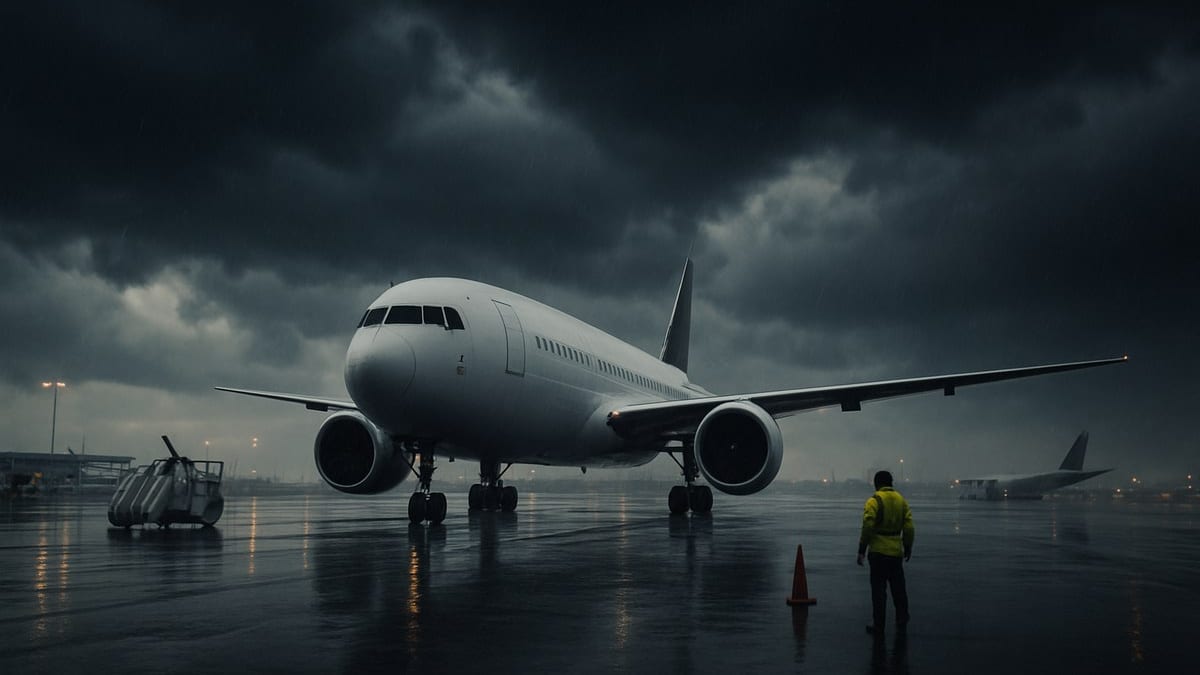
Severe Weather Systems Disrupt Northeast Corridors
Publicly available tracking data and weather summaries show that a strong storm system over the northeastern United States around April 5 and 6 disrupted hundreds of flights, pushing back departures at major New York area airports, including JFK. As thunderstorms and heavy rain crossed key air corridors, air traffic control measures slowed the flow of aircraft into and out of the region, creating lengthy queues on the ground and in the air.
Consumer aviation resources indicate that the early April system followed a series of intense weather events that have already tested airline resilience in 2026, including a historic February blizzard and multiple March storms that triggered ground delay programs at JFK and other hubs. With runways and taxiways still recovering from earlier disruptions, the April storms added another layer of strain to an already stretched schedule.
Reports from flight disruption trackers describe a pattern in which early morning departures from JFK were pushed back by storm related flow controls, leaving aircraft out of position for later departures. For Florida bound routes that rely heavily on quick aircraft turnarounds and tightly timed slot allocations, those compounding delays translated into extended waits at gates and on taxiways through much of the day.
Travel analysis platforms also note that New York ranks among the leading U.S. metros for weather related flight delays, reflecting its exposure to coastal storms, rapidly changing frontal systems and seasonal thunderstorms. The April 2026 disruptions to Florida routes from JFK fit this broader pattern of volatility that often intensifies during busy holiday and spring break travel periods.
Florida Hubs Grapple With Their Own Storm Impacts
At the same time that storms were slowing traffic over New York, Florida’s major airports were dealing with severe weather of their own. Coverage from regional outlets in South Florida indicates that heavy rain and thunderstorms on April 7 prompted a temporary ground stop at Miami International Airport and departure delays at Fort Lauderdale Hollywood International Airport. Those constraints reduced the number of arrivals the region could accept during some of the busiest hours of the travel day.
According to operational summaries, the Federal Aviation Administration uses ground stops and ground delay programs to meter traffic into storm affected airports, often forcing upstream hubs such as JFK to hold departures until Florida weather conditions improve. For passengers departing New York, that can mean sitting on board waiting for a release slot or watching departure times slip repeatedly on terminal displays.
Travel news coverage and live tracking data show that Orlando, Tampa and other popular leisure gateways have also experienced repeated spring weather disruptions in recent weeks, from strong thunderstorms to periods of reduced visibility. Each localized event in Florida can create a bottleneck for flights inbound from New York, particularly on afternoons and evenings when dozens of leisure oriented services converge on the same airspace.
The combination of constraints in both origin and destination regions increases the likelihood that Florida bound flights from JFK will depart outside their scheduled windows. Where one storm might typically cause a few hours of disruption, a sequence of weather events across multiple states has stretched irregular operations over several days during the first half of April.
Holiday Crowds and Operational Strains Amplify Delays
The timing of the storms has magnified their impact. Published travel features on spring 2026 disruptions point out that the Easter and early April holiday period brought elevated passenger volumes across the United States, with more than 15,000 flight delays reported nationwide between April 2 and April 4. As families and leisure travelers filled flights to and from Florida, the available slack in airline networks narrowed significantly.
Analysts note that when aircraft are fully booked, rebooking options become limited once delays begin to cascade across the network. On some Florida routes from JFK, carriers have relatively few daily departures, so a delayed morning flight can leave passengers with scarce same day alternatives. Publicly available coverage highlights that carriers are still working through crew scheduling and fleet utilization challenges stemming from an intense winter, which can further restrict their ability to add backup aircraft when storms hit.
Broader industry reporting on spring 2026 operations describes how staffing constraints among ground handlers, maintenance teams and air traffic personnel can slow recovery after a storm system passes. Even when radar screens clear, it can take hours for airlines to reposition aircraft, match crews with legal duty hours and process backlogged passengers at gates and check in counters.
For Florida bound travelers departing JFK, these operational realities have translated into a travel experience marked by rolling delay estimates, crowded departure areas and tight connection windows on multi leg itineraries. Some travelers heading to secondary Florida destinations have also experienced missed connections at intermediate hubs, as late arriving flights from New York failed to meet their planned transfer times.
Impact Across Carriers and Key Florida Routes
Aggregated data from flight information providers and travel industry summaries indicate that the delays impacting JFK’s Florida services in April 2026 have been spread across multiple airlines rather than concentrated on a single carrier. Legacy network airlines, large low cost operators and smaller competitors all appear within delay statistics on New York Florida routes as weather and air traffic programs affect the broader airspace system.
Popular nonstop routes from JFK to Orlando, Miami, Fort Lauderdale and Tampa have shown some of the highest levels of disruption, reflecting both their frequency and their exposure to storm corridors. More recently launched services to smaller Florida markets, such as Emerald Coast gateways, also operate within the same weather patterns, leaving them vulnerable when storms shift along the Gulf or Atlantic coasts.
Publicly available airline schedule information shows that carriers had expanded their Florida offerings out of JFK ahead of the 2026 spring break period, betting on continued demand for warm weather getaways. When storms forced delays, that added capacity meant more flights waiting for limited departure and arrival slots, intensifying congestion at peak times.
For JFK as an international hub, the disruption to Florida flights has also had knock on effects for passengers connecting from long haul services arriving from Europe, the Middle East and Latin America. Industry commentary notes that missed onward flights to Florida can leave travelers facing overnight stays in New York or extended rerouting through other hubs if same day options are unavailable.
What Travelers Can Expect for the Remainder of April
As of the second week of April 2026, publicly available forecasts suggest that unsettled weather may persist at times along the East Coast and over parts of Florida, keeping the risk of further flight disruption elevated. While no single storm system is expected to match the intensity of the winter blizzards seen earlier in the year, repeated periods of thunderstorms and heavy rain could continue to trigger ground delay programs at both JFK and major Florida airports.
Aviation analysts quoted in recent travel coverage emphasize that springtime volatility is a recurring challenge for U.S. air travel, and they anticipate that airlines and airports will continue to manage rolling pockets of disruption rather than a single, prolonged shutdown. For travelers, that translates into the likelihood of sporadic but sometimes lengthy delays on Florida bound departures from New York over the coming weeks.
Consumer advocates recommend that passengers monitor their flight status closely and build additional buffer time into their travel plans when connecting from long haul services. Many airlines have been issuing targeted travel advisories or waivers during peak storm periods, allowing some customers to adjust departure dates or times to avoid the worst of the weather related disruption.
For now, publicly available performance data and day to day tracking paint a picture of a busy spring travel season in which storms and operational strains continue to test the resilience of JFK’s Florida links. Travelers heading south from New York in April 2026 are likely to encounter a system still working to recover fully from a turbulent start to the year.