

More news on this day
Spring travelers heading from New York’s John F. Kennedy International Airport to Florida are facing a fresh round of disruptions in early April 2026, as thunderstorms over the Sunshine State combine with an already stretched U.S. air travel system to delay dozens of flights on key leisure routes.
Get the latest news straight to your inbox!
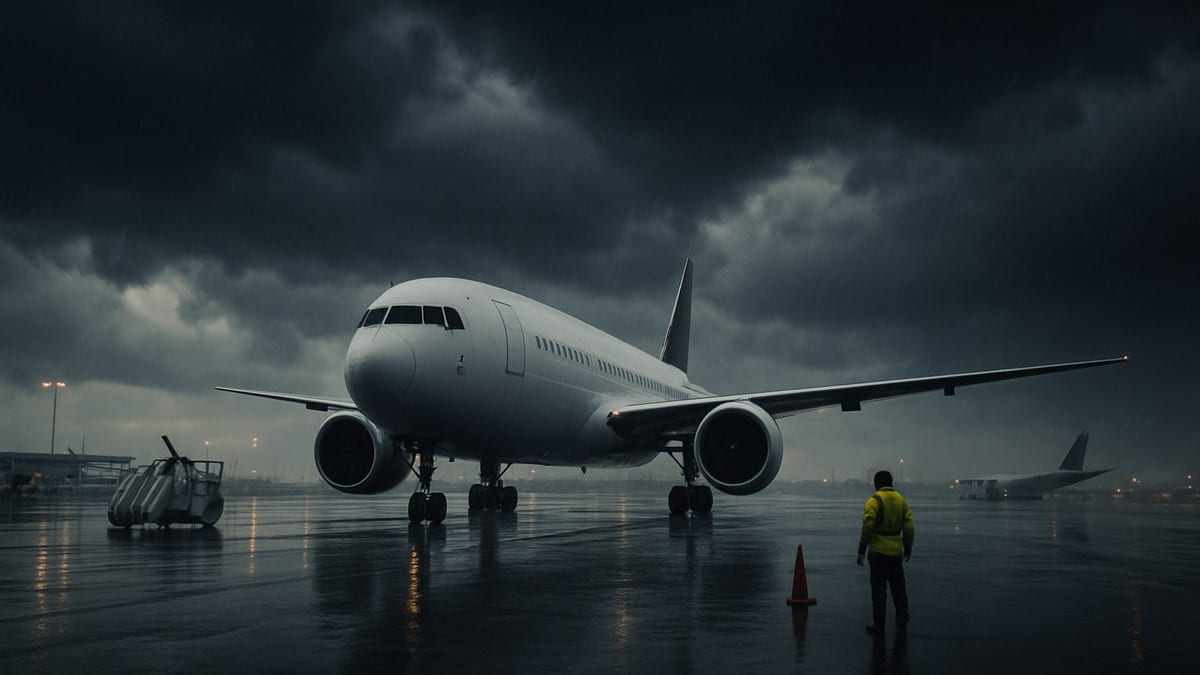
Stormy Skies Over Florida Ripple Back To New York
A series of slow moving storm systems crossing Florida in the first week of April has triggered rolling delays at major airports including Miami, Orlando and Fort Lauderdale, creating knock on disruption for departures out of JFK. Publicly available flight tracking data and recent coverage show heavy rain and thunderstorms leading to ground stops and extended taxi times at Miami International Airport on April 7, with departure waits averaging around half an hour and rising as storms passed over South Florida.
Travel industry reports indicate that weather related slowdowns in Miami and Fort Lauderdale are being felt most acutely on high frequency links from New York, where aircraft are scheduled for rapid turnarounds to shuttle spring break and early beach season travelers to Florida. When storms force spacing between arrivals or temporary pauses in departures at Florida hubs, the same aircraft and crews are unable to return to JFK on time, feeding into evening delays on northbound legs and causing subsequent southbound services to depart late.
Operations data for the wider U.S. network on April 7 highlight how interconnected these disruptions have become. One analysis of delays across major airports shows more than 3,000 flights running late nationwide in a single day as a broader storm system swept the eastern United States, with JFK recording over one hundred delays and a smaller number of cancellations. Florida airports featured prominently in those tallies, reflecting both the disturbed weather pattern and strong seasonal demand.
Spring Travel Surge Meets Strained Systems
The April weather challenges are arriving on top of an already stressed spring travel season. Forecasts cited by national media in late March suggested U.S. airlines would carry roughly 2.8 million passengers per day between March and the end of April, driven by spring break holidays and an early push into summer style trips. That heightened demand is particularly visible on New York to Florida routes, long popular with both vacationers and part time residents relocating between regions.
Industry analyses published in recent weeks describe how repeated winter storms, staffing pinch points and high utilization of aircraft through February and March have reduced the margin for error at many carriers. Even as airlines rebuild schedules following February’s major Northeast blizzard and a series of March thunderstorm outbreaks, crews and planes remain tightly allocated. As a result, the knock on effects of a ground stop in Miami or a thunderstorm cell over Orlando can cascade rapidly into delays hours later at JFK.
Discussion in aviation focused outlets also points to lingering air traffic control constraints that can magnify weather events. When convective storms form along the eastern seaboard, controllers are often required to reroute aircraft around turbulent zones and temporarily reduce the number of takeoffs and landings per hour. That dynamic has been evident over the first week of April, when thunderstorms over the mid Atlantic and Florida prompted holding patterns and spacing measures affecting some New York bound flights before the disruptions ultimately looped back into JFK departure boards.
Florida Hubs Under Pressure In Early April
Florida’s major airports have been among the most affected by early April storms, amplifying the impact on Florida bound travelers departing from New York. Orlando International has reported hundreds of delays in recent operating days, with travel trade coverage describing more than 190 delays and a smaller cluster of cancellations during a single disruption event driven by unsettled weather and volume. Miami has seen similar patterns, with around 260 delays and several cancellations logged over a recent 24 hour period at the height of heavy rain and thunderstorms.
Flight performance summaries indicate that carriers with large Florida footprints, including low cost and leisure oriented airlines, are bearing a significant share of the schedule volatility. For passengers leaving JFK, that can translate into extended waits for flights to Orlando, Miami, Fort Lauderdale, Tampa and smaller Florida destinations that depend on aircraft arriving from these storm affected hubs. In some cases, aircraft scheduled to operate a JFK departure are still on the ground in Florida while weather restrictions remain in place.
Travel data services that aggregate delay statistics show that smaller regional airports in Florida are also experiencing issues as storms pulse across the peninsula. While the absolute number of disrupted flights at cities such as Sarasota or Fort Myers is lower than at Miami or Orlando, delays there can still affect JFK bound services operated as through flights or multi leg rotations. Each late departure lengthens the chain of schedule adjustments needed to keep aircraft and crews where they are planned to be later in the day.
Passengers Face Rolling Delays And Changing Flight Plans
For travelers at JFK, the combined effect of Florida weather and network strain is most visible on departure boards listing successive delays rather than large scale cancellations. Flight status tools tracking early April operations show many Florida bound flights leaving New York later than scheduled by increments of 30 minutes to several hours, especially during late afternoon and evening peaks when thunderstorms tend to be most active over Florida and connecting banks intensify at Southern hubs.
Airline updates and airport advisories reviewed over recent days emphasize that most affected flights are still eventually departing, but often with revised timings and occasional equipment swaps. Passengers on multi segment itineraries that route through Florida before continuing to the Caribbean or Latin America face heightened risk of missed connections when storms trigger ground delay programs. In some cases, travelers are being rebooked onto later services or rerouted through alternative hubs such as Atlanta or Charlotte to bypass the most congested Florida gateways.
Travel rights organizations and consumer advocates continue to remind passengers that weather related delays are generally considered outside an airline’s control under U.S. rules, limiting eligibility for financial compensation. Nonetheless, written guidance from such groups notes that airlines may still offer meal vouchers, hotel accommodations or fee waivers at their discretion, especially when disruptions extend into overnight hours or when storms compound existing staffing or maintenance issues.
What April Flyers From JFK To Florida Can Expect Next
Short term forecasts suggest that unsettled weather will linger over parts of Florida through portions of the second week of April, with periods of heavy rain and thunderstorms possible around key hubs. Aviation analysts caution that even when skies clear, the ripple effects of earlier storms can persist as airlines work through backlogs of displaced aircraft and crews. Travelers booked from JFK to Florida over the coming days are likely to see continued instances of moderate delays, even if large scale cancellation waves do not materialize.
Publicly available planning tips from airlines, airports and travel advisers converge on similar advice for April flyers. Passengers are encouraged to build extra time into their itineraries, particularly if they are connecting onward beyond their Florida gateway, and to monitor flight status closely through official airline channels. Early morning departures from JFK may offer slightly better on time prospects in some cases, as aircraft are already positioned and Florida storms more often flare later in the day.
Broader seasonal outlooks from meteorologists and transportation analysts underscore that weather sensitive disruption is likely to remain a feature of U.S. air travel throughout the spring. For New York travelers drawn to Florida’s beaches and theme parks, this April’s combination of active storm patterns over the Southeast and lingering systemic strain in the aviation network is a reminder that even routine convective weather can significantly reshape the day’s flying when schedules are close to capacity.