

More news on this day
Thousands of travelers across the United States are facing major disruptions as severe weather and mounting Transportation Security Administration staffing shortages combine to cancel nearly 900 flights and delay more than 2,600 others, snarling already busy spring break and March sports travel corridors.
Get the latest news straight to your inbox!
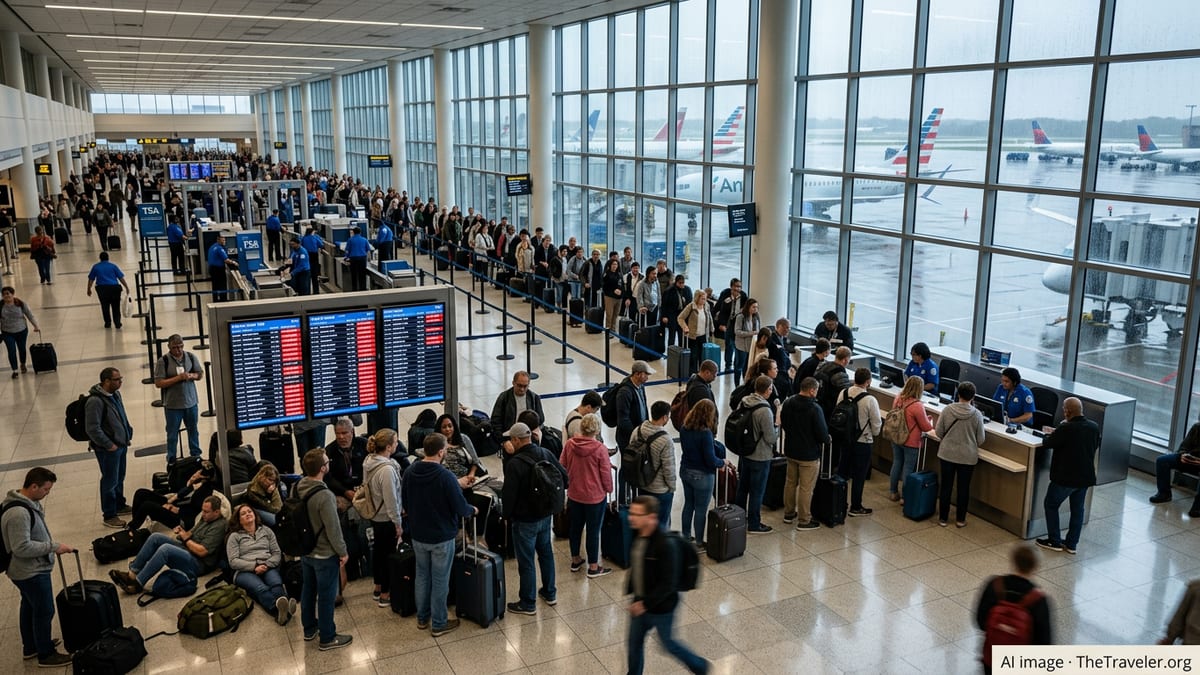
Severe Weather Pounds Major Hubs and Routes
Powerful storms sweeping across the eastern half of the country have hammered airline operations at some of the nation’s busiest airports, with ripple effects spreading nationwide. Recent coverage describes a sprawling system bringing heavy snow to the Midwest and blizzard conditions in parts of the Upper Plains, followed by strong winds, thunderstorms and the risk of tornadoes as the storm complex pushes east. Airlines have preemptively grounded hundreds of flights in affected regions while contending with real time diversions and go slow traffic management programs at key hubs.
Airports serving New York City, Chicago and Atlanta are among those seeing the sharpest spikes in cancellations and delays, according to flight tracking data widely cited in aviation reports. As aircraft and crews fall out of position, secondary airports far from the worst of the weather are also experiencing knock on schedule disruptions. Publicly available information from recent storm events shows that similar systems in mid March have triggered large clusters of cancellations in Minnesota and Wisconsin, underscoring how quickly blizzard and ice conditions can cripple regional and national networks.
Industry analysts note that modern airline schedules leave limited slack to recover when weather disrupts multiple hubs at once. When a single storm complex stretches from the High Plains through the Great Lakes and into the Mid Atlantic, carriers often face rolling delays through the day as they juggle deicing, runway capacity constraints and required crew rest rules. For passengers, that can translate into long waits at departure gates, missed connections and last minute rebookings even where local skies appear relatively calm.
TSA Staffing Shortages Compound Airport Gridlock
Complicating the weather related turmoil is an ongoing staffing crunch at airport security checkpoints tied to a partial federal government shutdown and longer running recruitment challenges. Recent national coverage indicates that the shutdown, which began in mid February, has placed added strain on TSA work rosters just as passenger numbers rise for spring break and large sporting events. While most screeners remain on the job, reports describe increased sick calls, stretched overtime and longer lines at peak periods.
Publicly available information shows that in some markets, checkpoint backups are now adding an extra layer of uncertainty atop weather related flight disruptions. Travelers are being advised in multiple news reports to arrive significantly earlier than usual, with images circulating of snaking security queues at major hubs across the East Coast and Southeast. The combination of early morning thunderstorms, ground stops and stressed screening operations can quickly turn into day long congestion.
Aviation observers point to earlier episodes in which staffing shortages at security checkpoints and in air traffic control facilities have led to measurable increases in delays nationwide. According to recent policy and oversight reports, chronic understaffing at key facilities can reduce the number of flights that can be handled safely each hour, forcing airlines to trim schedules or accept rolling delays even in clear weather.
Flight Cancellations and Delays by the Numbers
Flight tracking services cited across multiple outlets indicate that nearly 900 U.S. flights were canceled and about 2,600 delayed over the most recent 24 hour period of disruption, adding to thousands of schedule changes earlier in the week. These figures cover flights scheduled to depart, arrive or operate within the United States and include both domestic and international routes handled by U.S. airports. Analysts say the totals place the current episode among the more severe multi day disruptions of the past several months, though below the worst peaks seen during historic winter storms.
On days when powerful storm systems and staffing constraints collide, cancellations often cluster around a handful of major hubs that handle a large share of national traffic. Once those hubs reduce operations, aircraft can end up scattered at outstations, and crews can be stranded away from their next assignments. Industry reporting notes that airlines then face complex rescheduling puzzles that may take several days to fully unwind, even after skies clear and staffing levels improve.
Recent federal and academic reviews of flight disruption patterns highlight how quickly small schedule shocks can cascade through tightly timed networks. A single missed rotation early in the morning can trigger a chain of delays through the evening as aircraft and crews chase the timetable. When hundreds of such disruptions occur at once due to weather and security bottlenecks, recovery often requires selective cancellations to restore order to the schedule.
Travelers Face Crowded Terminals and Uncertain Itineraries
The disruption comes at a particularly sensitive moment for travelers. Airports are already crowded with families heading out for spring break, college students traveling to and from campuses, and fans bound for early rounds of major college basketball tournaments. News coverage from multiple hubs describes packed concourses and busy customer service counters as passengers seek new itineraries or overnight accommodation when connections fall through.
With flights heavily booked during this period, rebooking options can be limited, especially for travelers on popular leisure routes to Florida, the Caribbean and western mountain destinations. Travel industry reports suggest some passengers are accepting multi stop routings, long layovers or even departures from alternate airports to reach their destinations. Others are postponing or canceling trips entirely when the prospect of extended delays outweighs the reason for travel.
Airlines are urging customers through public channels to monitor their flight status closely, use mobile apps for rebooking where possible and allow extra time at the airport. Consumer advocates recommend that passengers keep receipts for meals and lodging, review their carrier’s irregular operations policies and consider the protections offered by certain credit cards and travel insurance products, especially during periods of elevated disruption risk.
What Disrupted Travelers Can Do Now
While individual situations vary, travel experts point to several practical steps for navigating the current wave of cancellations and delays. Passengers whose flights have been canceled outright are generally entitled to a refund if they choose not to travel, according to widely available federal consumer guidance. Those who still wish to fly may be able to move to later departures without change fees, particularly when airlines issue weather or operational waivers for affected regions.
For travelers still planning to depart in the coming days, monitoring evolving forecasts and airport conditions can be critical. Aviation and meteorological reports indicate that storm impacts may shift geographically as the system moves, with some hubs experiencing improvement even as others see new rounds of thunderstorms, wind or low visibility. Checking flight status regularly and enabling airline notifications can provide early warning if a trip is at risk.
Security lines are another key variable. Given TSA staffing challenges and the pressure of the partial government shutdown, recent coverage suggests arriving earlier than usual, especially during early morning and late afternoon peaks. Travelers with access to trusted traveler programs may find some relief in dedicated lanes, though these lines can also lengthen when volumes surge. Packing light, keeping identification and boarding passes easily accessible and being prepared for additional screening can help keep queues moving and reduce individual stress.