

More news on this day
Spring storms and unusual dust-laden skies have combined to severely disrupt air travel across Europe in early April 2026, with publicly available tracking data showing thousands of delayed and cancelled flights at major hubs from Reykjavík to Rome.
Get the latest news straight to your inbox!
Atlantic Storm Systems Batter Northern and Western Europe
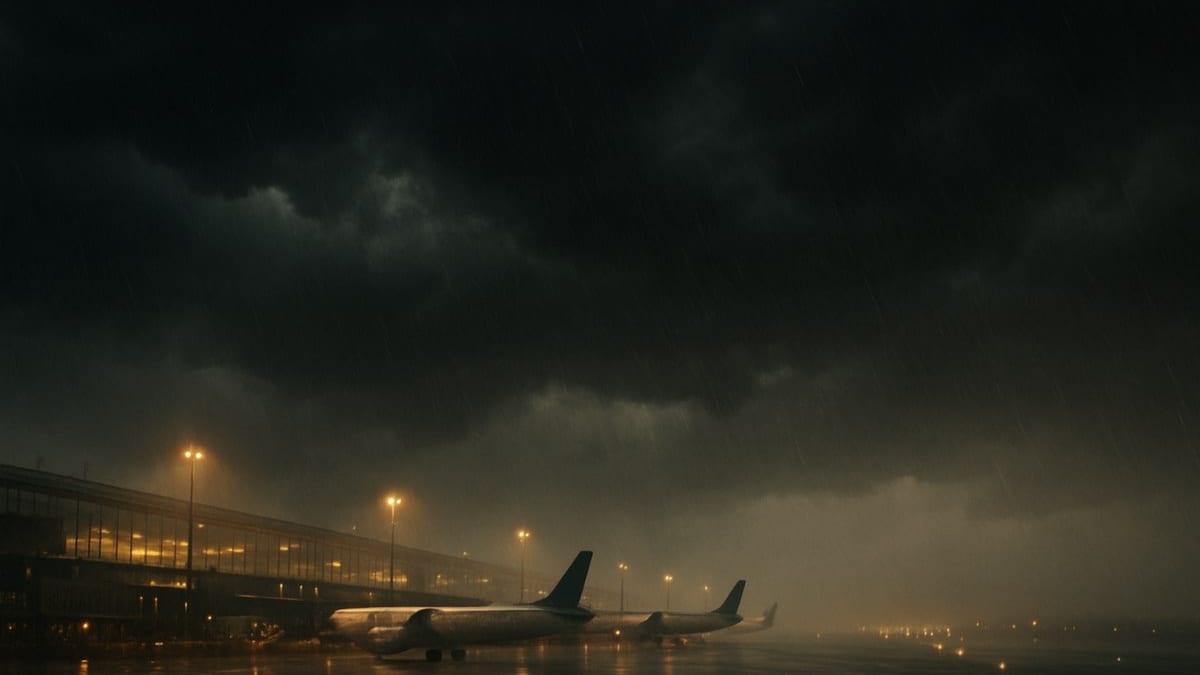
A powerful Atlantic low pressure system, widely referred to as Storm Dave in regional coverage, has driven some of the most significant disruption, particularly across northern and western Europe. Strong crosswinds, heavy rain and low cloud have forced airlines to thin schedules, divert aircraft and temporarily suspend operations at several airports over recent days.
Reports from aviation industry outlets describe cascading disruption at hubs in Iceland, the United Kingdom, Ireland, Germany and Scandinavia as the storm lingered over the region. In a single day, more than 1,400 flights were reported delayed and over 200 cancelled across airports including Keflavík, Stockholm, Dublin, London and Frankfurt, leaving passengers facing long queues, missed connections and overnight stays.
Travel and consumer platforms tracking individual airport performance indicate that Copenhagen and major London airports have ranked among Europe’s most affected facilities during the stormy spell. Weather-related capacity reductions on key runways, combined with aircraft and crew out of position, have produced knock-on effects for services to southern Europe and transatlantic routes.
Analysts note that the timing of Storm Dave, arriving just as Easter holiday traffic peaked, amplified the impact. Airlines had limited spare capacity to rebook travellers, so relatively modest capacity cuts translated into widespread delays and cancellations across the network.
Windstorms and Turbulent Skies Stretch Airlines Thin
The April chaos has followed an already active 2025–26 European windstorm season, with several named storms sweeping across the continent since winter. Coverage of Storm Goretti at the start of April highlighted how powerful gusts in northwestern Europe triggered flight cancellations and schedule cuts, including dozens of scrapped departures at Hamburg as operators attempted to keep operations within safety limits.
Additional windstorms affecting France, Britain, Germany, the Netherlands and surrounding countries have produced repeated days of weather-related disruption. Flight data collated by travel news outlets shows hundreds of delays and dozens of cancellations on some days at key hubs such as Amsterdam Schiphol, Paris Charles de Gaulle, London Heathrow and Zurich, even when airports remained technically open.
Air traffic management performance has also come under renewed scrutiny as the storms have passed through. Earlier industry reports on European air traffic control delays, which have more than doubled over the past decade despite relatively modest growth in flights, provide context for the current problems. When bad weather reduces usable airspace or runway capacity, structural bottlenecks in the system quickly become visible.
For travellers, the result has been an unpredictable mix of last-minute gate changes, rolling departure times and missed onward connections. With many aircraft operating at or near full load factors during the holiday period, standby options have been limited and some passengers have reported being rebooked days later than originally planned.
Saharan Dust and Mediterranean Storms Add a Southern Twist
While northern Europe has wrestled with wind and rain, southern and eastern parts of the continent have faced a different kind of weather disruption. A surge of Saharan dust into the eastern Mediterranean at the start of April produced striking orange skies over parts of Greece, particularly Crete, and sharply reduced visibility at several airports.
Regional reports from Crete describe “redout” conditions that dropped visibility below typical aviation minima in and around Heraklion. Flights attempting to reach the island were forced to divert or hold, with some international services from cities such as London, Munich, Frankfurt and Brussels ultimately rerouted to Athens, Corfu and other alternates when conditions failed to improve in time.
The dust event coincided with storm systems associated with the wider 2025–26 windstorm season, including a system identified by Greek meteorological bulletins as Erminio. National weather warnings in Greece referenced a combination of heavy rain, thunderstorms and abrasive dust, and domestic flights between the mainland and islands experienced delays and cancellations as airlines adjusted schedules.
Elsewhere in the Mediterranean, previous storms in March had already left aviation and transport networks fragile, from southern Italy to the central Mediterranean basin. The April dust and storm episodes have compounded these issues, extending recovery times for carriers and leaving some leisure routes particularly vulnerable to further disruption.
Easter Rush Magnifies Operational Vulnerabilities
The timing of the current weather pattern has been especially challenging for Europe’s aviation ecosystem. Easter is one of the busiest travel windows of the year for intra-European leisure traffic, and 2026 demand has been described in industry coverage as close to or above pre-pandemic levels on many routes.
Publicly available data for early April shows more than 2,500 delayed flights recorded across the continent on some days, alongside rising numbers of cancellations. Congestion has been visible at major transfer hubs, where stranded passengers have joined those beginning or ending holidays, stretching airport terminal infrastructure and ground services.
Operational pressures are not limited to weather. Some carriers are navigating staff shortages and tight aircraft availability, while several countries, including Italy, are preparing for industrial action later in April that could further constrain capacity. Analysts suggest that the combination of structural constraints, labour tensions and increasingly volatile spring weather is creating a narrower margin for error during peak periods.
Travel insurers and consumer advocates have pointed to the disruption as another indication that weather-related shocks are becoming more frequent and more costly. For airlines, each day of irregular operations typically generates significant expenses for crew, fuel, airport charges and passenger care, particularly when accommodation and meals must be provided.
What Travellers Are Experiencing on the Ground
Across Europe, passengers caught up in the April storms have faced a patchwork of experiences depending on their route, airline and destination. At some hubs, departures have continued with modest delays, while nearby airports have seen large numbers of cancellations and diversions as local wind or dust conditions fluctuated.
Consumer-facing platforms and social media posts highlight long security and check in queues at certain airports, alongside crowded rebooking desks and customer service lines. Some travellers have managed to reach destinations by accepting rerouting via secondary hubs or by travelling a day earlier or later, while others have chosen to abandon trips entirely once it became clear that onward connections would be missed.
Public guidance from airlines, airports and travel organisations has consistently emphasised the importance of checking flight status before leaving for the airport and allowing additional time at terminals. With conditions and schedules changing rapidly as storm bands move across the continent, same day adjustments have often made the difference between catching a flight and facing an unexpected overnight stay.
For now, forecasters indicate that further unsettled weather is possible across parts of Europe in the coming days, suggesting that disruption may persist even as airlines work through backlogs. Travellers planning April journeys around the region are being encouraged in public advisories to monitor weather alerts closely and to build flexibility into itineraries where possible.