

More news on this day
Spring storms sweeping across the United States are rippling through Los Angeles International Airport, where publicly available flight-tracking data shows around 180 delays and 20 cancellations affecting services operated by Alaska Airlines, American Airlines, Delta Air Lines and Air Canada.
Get the latest news straight to your inbox!
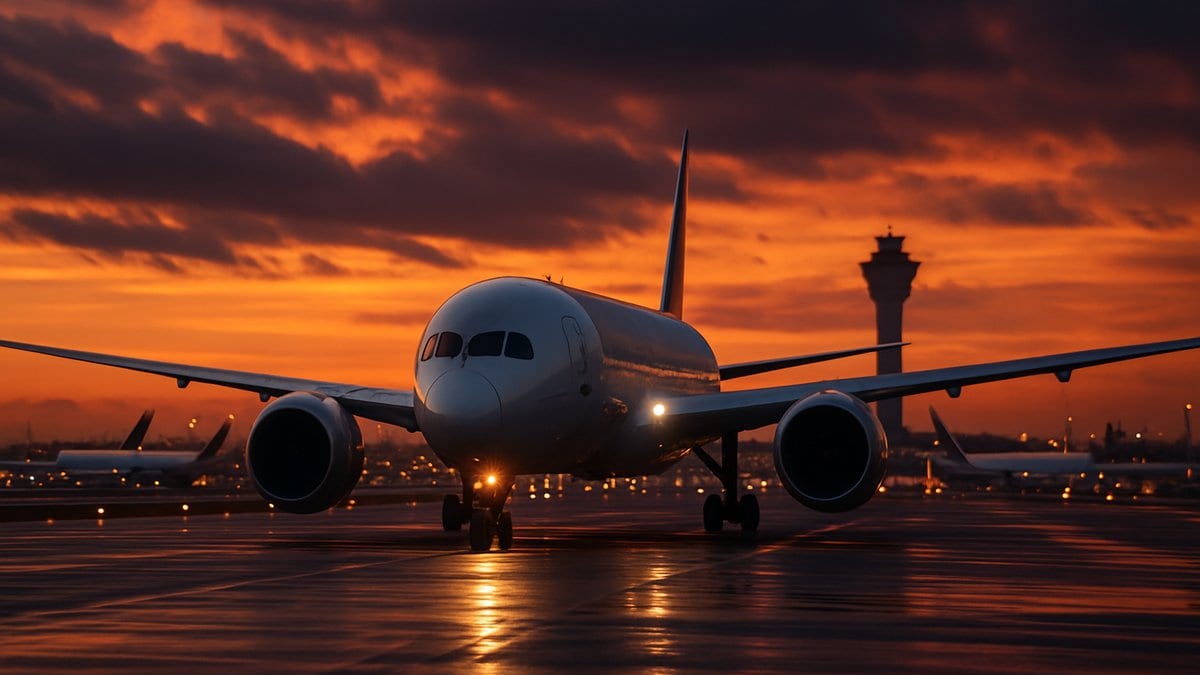
Storm System Overloads a Fragile U.S. Air Network
The latest turbulence for travelers at LAX is part of a broader pattern of weather-related disruption across the national air network in early April. Recent monitoring of U.S. flight operations indicates that a single day of storm activity can generate thousands of delays and hundreds of cancellations as thunderstorms, low cloud ceilings and high winds compress already tight schedules.
Reports on nationwide operations this weekend point to storms tracking across Texas, the Southeast and parts of the Mountain West, prompting air traffic control programs that slow arrivals and departures at key hubs. When those hubs are squeezed, knock-on effects often reach coastal airports like Los Angeles even if local skies appear comparatively calm.
Airlines increasingly attempt to preserve their schedules by holding flights on the ground instead of canceling outright, a tactic that can leave passengers facing multi-hour waits. As the day wears on, extended delays can push crews toward their legal duty-time limits, which in turn leads to late-evening cancellations that strand travelers far from their final destination.
Within this environment, LAX finds itself exposed to both direct weather impacts in the western United States and secondary disruptions handed off from hubs in the central and eastern regions, where storms are currently causing the heaviest operational strain.
Alaska, American, Delta and Air Canada Bear the Brunt
Flight-tracking dashboards reviewed on Saturday point to a cluster of delayed and canceled services operated by Alaska Airlines, American Airlines, Delta Air Lines and Air Canada at LAX. The tally of roughly 180 delayed departures and arrivals, alongside around 20 cancellations, reflects a mix of mainline and regional flights serving domestic and transborder routes.
Many of the affected operations are tied to the carriers’ key hubs and focus cities. American’s schedules at Dallas Fort Worth and other central hubs, Delta’s network through Atlanta and Minneapolis, Alaska’s operations along the West Coast, and Air Canada’s links to Vancouver and Toronto all serve as critical connective tissue for travelers moving through Los Angeles. When storms slow or halt traffic in those locations, aircraft and crews may be left out of position for subsequent legs into and out of LAX.
Publicly accessible data on recent performance trends shows that the four carriers generally maintain on-time rates in line with or better than national averages, but remain vulnerable to extreme or widespread weather. Once a major storm system begins to interfere with operations over multiple days, reserve aircraft and spare crew capacity can be quickly consumed, leaving little flexibility when new issues arise.
At LAX, the current pattern of disruption appears concentrated on flights linking Southern California to storm-affected regions of the United States and Canada, although some purely West Coast routes are also feeling the strain as aircraft are reassigned to protect longer-haul services.
LAX Infrastructure and Congestion Add to Passenger Frustration
Even on fair-weather days, LAX is known for heavy traffic in and around the central terminal loop, with congestion on approach roads often spilling back toward nearby freeways. When weather-related delays cascade through the system, that congestion can intensify as passengers arrive early in anticipation of schedule changes, or linger at the airport while monitoring shifting departure times.
Ongoing modernization work at the airport, including construction around terminals and ground transportation facilities, has improved some aspects of operations but continues to constrain curbside capacity and complicate wayfinding for infrequent travelers. During disruption events, crowded check-in areas and lengthy security queues can heighten tensions for those attempting to rebook or make tight connections.
Observers note that the combination of national storm impacts, constrained airport infrastructure and dense airline schedules can produce a compounding effect. When flights arrive in compressed waves after earlier delays, baggage systems, gate availability and ground handling resources all come under pressure, occasionally leading to further hold-ups even after the worst of the weather has passed.
For passengers already facing missed connections or same-day cancellations, these local bottlenecks at LAX can make the process of securing alternative options and navigating the terminal more challenging, particularly during peak afternoon and evening departure banks.
Ripple Effects Reach Domestic and International Routes
The disruption now visible on LAX departure boards is not limited to a single geographic corridor. Published coverage of the current storm pattern highlights widespread operational issues across the United States, with particular stress at large inland hubs that feed both domestic and international traffic.
As Alaska, American, Delta and Air Canada adjust their schedules, services from Los Angeles to major business and leisure destinations are being reshuffled. Some point-to-point domestic flights are experiencing extended delays, while others are canceled outright to free aircraft for long-haul transcontinental or transborder sectors viewed as operational priorities.
Connections between LAX and Canadian gateways are also affected, with Air Canada itineraries and codeshare services facing timing uncertainties tied to both U.S. weather constraints and local conditions in Canada. Travelers flying onward to Europe, Asia or Latin America via North American hubs may encounter missed connections or unexpected overnight stays if their initial segments from Los Angeles are significantly delayed.
These ripple effects underscore the interconnected nature of modern airline networks, in which a line of thunderstorms or low-visibility conditions thousands of miles away can alter travel plans for passengers boarding under sunny skies at LAX.
What Stranded Travelers at LAX Can Expect Next
For passengers caught in the current wave of disruption, publicly available guidance from airlines and transportation regulators highlights several likely scenarios. When storms are the primary cause of delays and cancellations, carriers typically focus on rebooking customers on the next available flights rather than offering financial compensation, while still providing refunds for unused portions of canceled itineraries in many circumstances.
During large-scale events, same-day alternatives from LAX can quickly sell out, particularly on popular routes to the East Coast, Midwest and Canada. Travelers may find that the most realistic options involve routing through secondary hubs, accepting lengthy layovers, or delaying departure by a day or more until aircraft and crews are fully repositioned.
Industry coverage of past disruption events suggests that recovery often extends beyond the immediate period of severe weather. Even after storm systems move on, airlines can spend several days rebuilding normal rotations, which means that isolated delays and sporadic cancellations may persist at LAX and other major airports.
With further unsettled weather forecast across parts of the United States in the coming days, the situation at LAX will likely remain fluid. Travelers scheduled to pass through the airport are being encouraged by publicly available advisories to monitor their flight status frequently, allow extra time on the ground, and remain flexible as airlines work to stabilize operations following another storm-disrupted weekend.