

More news on this day
Severe storms sweeping across the Southern Plains on March 8 have triggered at least 15 flight cancellations at OKC Will Rogers International Airport, disrupting major Delta Air Lines, SkyWest, American Airlines, Envoy Air and PSA routes to Dallas Fort Worth, Atlanta, Las Vegas, Phoenix, Washington and several other key hubs.
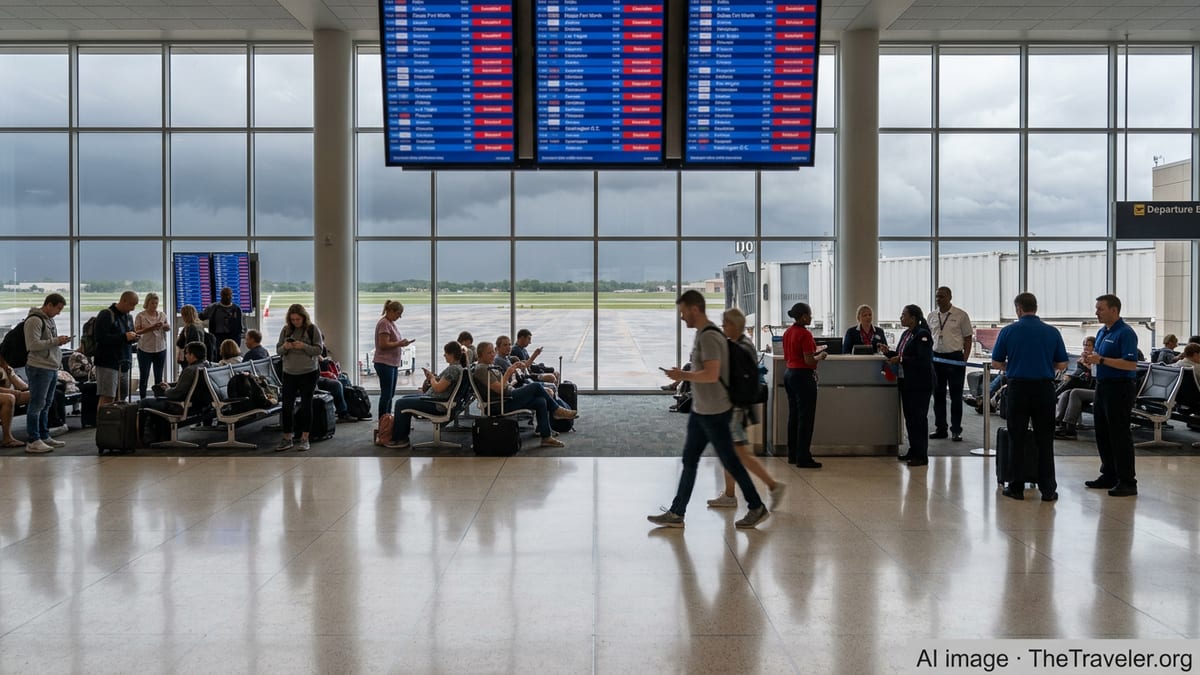
Weather Turmoil Ripples Through Oklahoma City Operations
The latest round of thunderstorms associated with an early spring storm system pushed into central Oklahoma overnight, bringing low clouds, gusty winds and bands of heavy rain that have complicated operations at OKC Will Rogers International Airport. While the airport has remained open, the combination of deteriorating visibility and air traffic control flow restrictions into major hubs has forced airlines to trim their schedules.
By midafternoon Sunday, airport and airline data showed a cluster of 15 cancellations concentrated among Delta and American and their regional partners, including SkyWest, Envoy Air and PSA. Several additional departures and arrivals were posting extended delays as carriers attempted to thread flights through weather windows in Texas and the Southeast.
The disruptions come as OKC continues to grow its role as a connecting point for both leisure and business passengers, with new routes and expanded frequencies added over the past two years. That growth has made the airport more exposed to knock-on effects when large hub airports such as Dallas Fort Worth and Atlanta falter under adverse conditions.
Airport officials urged passengers to monitor their airline apps closely and arrive early, warning that rebooking lines and call center wait times were longer than usual as the storm system migrated eastward.
Key Routes to Dallas Fort Worth Bear the Brunt
Dallas Fort Worth International Airport, a primary hub for American Airlines and a major connecting point for OKC travelers, has been one of the hardest hit nodes in the current disruption. A mix of ground stops, arrival metering and storms tracking along the I 35 corridor limited the number of flights that could safely depart or land, forcing American and its regional affiliates to cancel multiple short haul segments.
At OKC, several American and Envoy Air departures to Dallas Fort Worth were scrubbed, along with return segments that were scheduled to bring passengers back to Oklahoma City later in the day. For many travelers bound for secondary destinations such as smaller Midwestern cities or international connections through Texas, those cancellations have meant misconnecting itineraries and overnight stays.
Delta and its regional partner SkyWest also reported cancellations on flights feeding passengers from Oklahoma City into larger networks via Dallas Fort Worth and other shared-code destinations. With the Dallas hub serving as a linchpin for domestic and Latin American routes, any reduction in capacity ripples quickly through the system, often leaving travelers on regional spokes like OKC with limited same day alternatives.
Airlines indicated that they were prioritizing rebooking for passengers with onward international connections and for those who had already begun multi segment trips, while asking origin and destination travelers with flexible plans to consider shifting their journeys to later in the week.
Atlanta, Las Vegas, Phoenix and Washington Links Also Affected
The disruption was not limited to Texas. Delta’s nonstop link between Oklahoma City and its Atlanta megahub, a vital eastbound connection for both corporate travelers and international traffic, saw at least one round trip canceled as thunderstorms and operational constraints slowed the carrier’s main operation in Georgia. With aircraft and crew rotations already tight, that single scrubbing cascaded through schedules, forcing further minor adjustments during the afternoon.
American’s long standing services from OKC to major western leisure destinations were also affected. Flights connecting Oklahoma City to Las Vegas and Phoenix experienced cancellations or multi hour delays as storms complicated departures over north Texas and the southern Rockies. For spring break travelers and weekend gamblers heading to resort destinations, that meant unexpected extra nights in Oklahoma City and hurried calls to hotels and rental car desks.
Links to the nation’s capital did not escape the turmoil. A regional flight marketed by American and operated by PSA between Oklahoma City and Washington area airports was among those canceled, with the carrier citing both upstream weather and air traffic flow programs around the congested Northeast corridor. Passengers booked on government and defense related travel, a steady segment of OKC’s traffic base, faced the prospect of remote participation in Monday meetings or compressed itineraries later in the week.
Carriers warned that lingering thunderstorms and the possibility of additional air traffic control initiatives at hubs could lead to further last minute schedule changes through Sunday evening, urging travelers to treat all posted times as subject to revision.
Travelers Scramble for Alternatives as Airlines Waive Fees
Inside the OKC terminal, the impact of the 15 cancellations was immediately visible in long queues at customer service counters and crowded seating areas near the main concourses. Passengers reported holds of more than an hour on airline phone lines as they searched for ways to salvage weekend plans and work obligations at destinations as varied as Orlando, San Diego and New York, all of which rely on connections through the affected hubs.
In response, both Delta and American implemented limited weather waivers for affected itineraries touching Oklahoma City and impacted hubs, allowing customers to rebook to alternate flights without change fees and, in some cases, fare differences if they shifted their trips by a day or two. Regional affiliates such as SkyWest, Envoy and PSA followed their mainline partners’ policies, though eligible inventory on remaining flights was tight by early afternoon.
Some travelers opted to abandon air travel altogether in favor of long drives to nearby major airports with more robust schedules, including Dallas Fort Worth, Dallas Love Field and Tulsa. Others turned to same day bus and rail options where available, though such alternatives remain relatively limited for Oklahoma City compared with larger metropolitan areas.
Airport staff and volunteer ambassadors moved through the terminal offering directions, charging tips and basic information about airline policies, attempting to ease tensions as families with small children and elderly passengers coped with long waits and shifting plans.
What Passengers Flying Through OKC Should Expect Next
With the storm system expected to continue tracking east through late Sunday and into Monday, airlines warned that residual delays and scattered cancellations could persist into the start of the workweek. Morning departures on March 9 to major hubs including Dallas Fort Worth, Atlanta and Phoenix were flagged as particularly vulnerable if aircraft and crews remained out of position overnight.
Regular travelers through OKC noted that the airport’s relatively compact layout and recent terminal improvements have helped mitigate some of the strain, with more seating, power outlets and food options available than during previous disruption events. Still, they cautioned that bottlenecks at security checkpoints and baggage claim can develop quickly when multiple flights are retimed to depart within short windows.
Industry analysts pointed out that weather induced cancellations at medium sized airports like Oklahoma City illustrate the broader fragility of hub and spoke networks, especially when several large connecting points are simultaneously affected by storms. Even a modest tally of 15 canceled flights can translate into hundreds of disrupted itineraries once missed connections and crew rotations are factored in across the system.
For now, airlines are advising anyone scheduled to fly into or out of OKC over the next 24 hours to verify flight status repeatedly, make use of mobile boarding passes, and consider packing additional essentials in hand luggage in case of unexpected overnights. While operations are expected to stabilize as the weather improves, the day’s cancellations underscore how quickly conditions in the Southern Plains can shift from routine to disruptive during the volatile transition into spring.