

More news on this day
A turbulent mix of severe spring weather and peak holiday demand turned Easter weekend into one of the most disruptive travel periods of the year for U.S. air passengers, with storms triggering cascading delays and cancellations at major hubs from Chicago to Miami.
Get the latest news straight to your inbox!
Storm System Collides With Peak Easter Travel
Publicly available aviation data and media tallies for Easter 2026 indicate that the heaviest disruption struck on Easter Saturday, March 28, when a fast-moving storm system swept across key Midwest and East Coast corridors just as airports were handling near-peak passenger volumes. Travel-focused outlets report that hundreds of flights were canceled and several thousand more were delayed nationwide, creating gridlock at some of the country’s busiest hubs.
According to aggregated figures cited in industry coverage, U.S. airports recorded roughly 339 cancellations and more than 3,500 delays on Easter Saturday alone, with Chicago O’Hare International Airport emerging as the single hardest-hit facility. The combination of convective storms, strong winds and temporary ground holds sharply reduced arrival and departure rates, quickly overwhelming schedules that were already tightly packed for the holiday weekend.
This latest storm episode followed an already volatile March for North American weather, marked by a major blizzard in the Upper Midwest, repeated severe thunderstorm outbreaks and widespread wind damage. Meteorological reporting describes a pattern of highly changeable conditions across the continent, which left airlines and air traffic managers with limited margin to absorb new disturbances as the Easter getaway began.
By the time the holiday weekend reached its peak, the storm’s impacts extended well beyond regions directly under severe weather alerts. Published analyses highlight how aircraft and crew imbalances at upstream hubs translated into rolling disruptions for flights operating in relatively calm conditions, underscoring the interconnected nature of the U.S. aviation network.
Chicago, Dallas, Atlanta and Orlando Bear the Brunt
Reports on the Easter weekend disruption point to Chicago O’Hare as the epicenter of the storm-related chaos. One travel trade outlet estimates that O’Hare alone experienced more than 1,600 combined delays and cancellations on Easter Saturday, with over 400 flights scrubbed as the storm line crossed the Great Lakes region. Ground-delay programs and temporary suspensions of airport operations reduced capacity, forcing airlines to trim schedules and re-time entire banks of departures.
Further south, Dallas Fort Worth International Airport and Atlanta’s Hartsfield Jackson also reported significant operational strain as the same weather system interacted with humid, unstable air over the central and southeastern United States. Coverage from aviation and consumer-rights organizations describes widespread knock-on delays across these hubs, with late-arriving aircraft from storm-affected cities arriving off schedule and cascading into missed connections for onward passengers.
Orlando and other major leisure gateways in Florida likewise felt the impact. Publicly available data reviewed by travel analysts show elevated delay levels through much of the weekend as thunderstorms flared along key routes into and out of the state. Families returning from spring vacations encountered extended waits on the tarmac and in terminal buildings, even when local skies appeared relatively clear.
These four airports function as central nodes in national airline networks, meaning any prolonged disruption can ripple quickly across the country. The Easter weekend storm hit them at a moment of maximum vulnerability, when load factors on many routes were near capacity and options for rebooking disrupted passengers were limited.
Miami Easter Crowds Meet Fragile Flight Schedules
In Florida, Miami International Airport became a focal point for Easter travel difficulties. Reporting from travel-news outlets, including TheTraveler.org’s own coverage, indicates that roughly 175 flights at Miami were canceled or heavily delayed between Good Friday and Easter Sunday as storm bands and operational disruptions rippled through the region’s tight schedules.
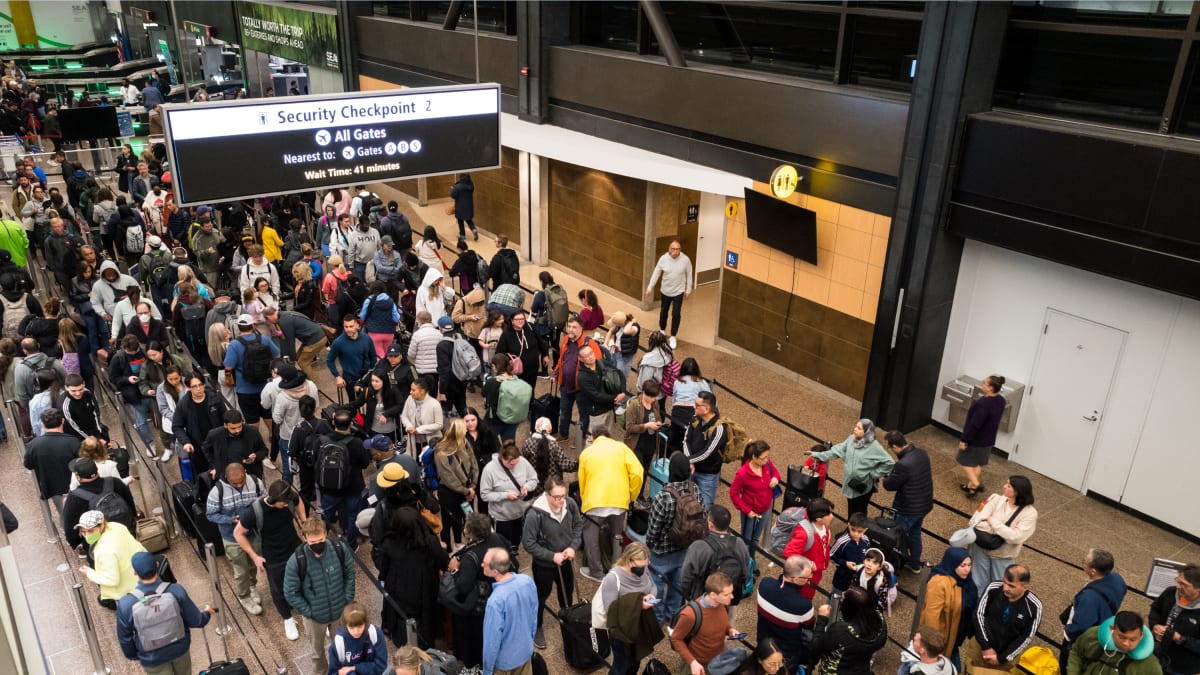
Miami had entered the holiday period expecting one of its busiest weekends of the year, with passenger forecasts highlighting March 28 to March 31 as peak travel days. Observers noted that many travelers arrived at the airport several hours earlier than usual to navigate security, parking and check in, leading to crowded terminals even before flight boards began to fill with delay notifications.
Once the storm-driven disruption intensified, those early crowds found themselves facing extended waits at gates and customer-service desks. Analysts say Miami’s role as both an international gateway and a key domestic connection point added complexity, since delayed or diverted long haul flights from overseas often arrived late into already strained banks of domestic departures.
As aircraft and crews fell out of position, the local impact at Miami spilled into secondary airports across the Caribbean, Latin America and the U.S. mainland. Airlines worked to consolidate lightly filled services and prioritize core routes, but with holiday flights running near full, many passengers were left with limited same day alternatives.
Cascading Effects Expose Systemic Vulnerabilities
Beyond the immediate numbers of cancellations and delays, the Easter weekend storm once again exposed chronic fragilities in the U.S. air travel system. Commentators in aviation trade press describe a network operating close to its limits on peak days, with little slack to absorb severe weather, air traffic control constraints or staffing shortages without widespread knock-on effects.
In practice, this meant that a line of storms passing through a handful of regions translated into missed connections, misplaced baggage and overnight airport stays for travelers far from the worst of the weather. Publicly available passenger accounts from hubs such as Chicago and Dallas referenced multiple rebookings, limited hotel availability near airports and long queues at service counters as airlines struggled to reshuffle their operations.
Operational data and airline statements in previous weather events suggest that carriers increasingly rely on large scale schedule adjustments, including proactive cancellations, to manage storm risk and minimize on-the-day chaos. While this can reduce situations like lengthy tarmac holds, it also concentrates disruption into high visibility periods and leaves travelers with fewer fallback options when flights do not depart as planned.
Consumer advocates note that, because most weather-related disruptions fall under force majeure provisions in airline contracts, compensation obligations for carriers in the United States are limited. Passengers affected by the Easter storm generally retained the right to refunds for canceled flights, but additional costs such as hotels, meals and lost vacation time remained largely theirs to absorb.
Travelers Confront a New Normal for Holiday Flying
For many passengers, the Easter weekend chaos was the latest demonstration that major holiday periods have become riskier propositions in an era of more volatile weather and tightly stretched aviation resources. Analysts reviewing March 2026 disruptions point to a series of storm clusters and blizzards earlier in the month that had already forced airlines to operate with thinner buffers, leaving little room for error by the time Easter arrived.
Travel planners and route analysts argue that the convergence of climate driven weather extremes, aging infrastructure and strong demand is likely to keep such episodes common, particularly around holiday peaks when aircraft are heavily booked and airport facilities are operating near capacity. They suggest that travelers with flexible schedules may wish to avoid the busiest departure days, such as Easter Saturday, which data consistently identify as among the most disruption prone on the calendar.
While airlines, airports and regulators continue to explore technological and procedural improvements to increase resilience, early indications from this year’s Easter period point to a system still struggling to adapt to fast changing conditions. For now, passengers heading into future spring holidays may increasingly view storm related flight chaos not as a rare shock, but as a recurring feature of modern air travel.