

More news on this day
The sudden throttling of tanker traffic through the Strait of Hormuz is cascading into a global fuel squeeze, prompting governments from Europe to Asia and the Pacific to roll out emergency energy rationing measures, constrain travel and lean heavily on strategic reserves as prices surge and supplies thin.
Get the latest news straight to your inbox!
A Chokepoint Turns Into a Global Energy Shock
The narrow waterway between Iran and Oman, already one of the world’s most closely watched maritime corridors, has become the epicenter of a new global energy crisis. Publicly available assessments from organizations such as the International Energy Agency and United Nations bodies describe the effective closure of the Strait of Hormuz since late February as the largest disruption to oil and gas flows in decades, with about a fifth of the world’s seaborne crude and liquefied natural gas suddenly constrained.
Port data, satellite tracking of tankers, and market analysis reported by international outlets indicate that most large crude carriers and liquefied natural gas ships have either been halted, rerouted via much longer journeys, or are waiting at anchor outside the Gulf. The result is a sharp reduction in readily available fuel for importing regions that heavily rely on Middle Eastern supplies, particularly in Asia and Europe.
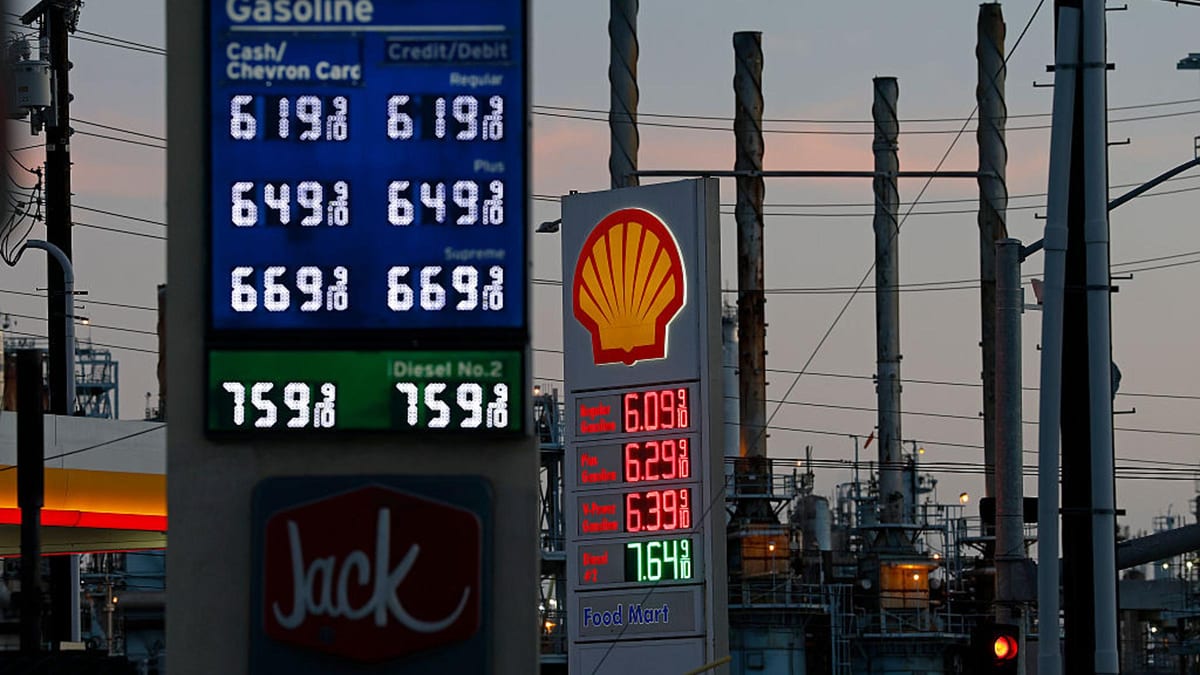
Financial market coverage shows benchmark oil prices climbing well above 100 dollars a barrel, while spot prices for refined products such as diesel and jet fuel have spiked even more sharply. Analysts note that insurance premia for vessels transiting near the conflict zone have multiplied several times since early March, turning every diverted or delayed cargo into a costly proposition that filters directly into retail fuel prices.
Trade-focused agencies warn that the shock is not confined to oil and gas. Higher fuel and shipping costs are lifting prices for fertilizers, food and key industrial inputs, deepening inflationary pressure and prompting some governments to frame the crisis as a combined energy and cost-of-living emergency rather than a narrow supply issue.
Governments Move From Price Caps To Rationing
As the supply disruption has dragged into its second month, policy responses have intensified. European media report that several governments, already experienced in managing the aftershocks of the 2022 gas crisis, have reactivated emergency legislation to cap fuel prices, tax windfall profits in the energy sector and prioritize essential services such as public transport, hospitals and food logistics.
Publicly available European Union discussions indicate that ministers are debating coordinated measures, including temporary caps on refinery margins and mandatory minimum storage levels for refined products. Some national plans go further, exploring restrictions on private car use in major cities on certain days, reminiscent of the rationing schemes first developed during the oil shocks of the 1970s.
Across the Asia Pacific, the squeeze appears even more acute. Regional coverage shows that countries such as Bangladesh have shortened government office hours, ordered early closure of markets and shopping centers, and restricted non-essential electricity consumption in an attempt to conserve imported fuel. In mainland Southeast Asia, reports from local outlets describe long queues at filling stations, rotating closures of gas stations in smaller towns and administrative rationing of diesel for agriculture and freight.
Official briefings and energy trackers also point to a broad release of strategic reserves. The International Energy Agency has coordinated what is described as the largest collective drawdown of emergency stocks in its history, while several non-member countries in Asia and Latin America have authorized separate releases from national storage facilities. Analysts caution that these buffers can smooth the shock for weeks or months, but cannot indefinitely substitute for a sustained shortfall in Middle Eastern exports.
Airlines, Tourism and Travel Face New Turbulence
The travel and tourism sectors are starting to feel the direct impact of the fuel crunch and the resulting policy measures. Aviation relies on a steady supply of jet fuel, much of it refined from crude that normally flows through the Strait of Hormuz. With refiners in the Gulf region operating below capacity and shipping routes disrupted, jet fuel prices have climbed faster than crude benchmarks, according to aviation industry data summarized in financial press reports.
European low-cost carriers are among the first to openly flag disruption. Coverage of recent airline earnings calls notes warnings that sustained high fuel costs and limited availability could force summer schedule cuts of up to several percentage points, especially on marginal leisure routes. That prospect is particularly sensitive for tourism-dependent regions around the Mediterranean, where demand has rebounded strongly since the pandemic and where households are already squeezed by rising living costs.
In Asia, the combination of fuel shortages and government conservation mandates is curbing both domestic and international travel. Local media in Southeast Asia describe airlines trimming frequencies, consolidating flights and, in some cases, shifting capacity to higher-yield business routes while pruning purely leisure services. Several countries have introduced temporary reductions in airport operating hours and nighttime curfews on domestic flights to save fuel and electricity.
Travel experts quoted in published coverage suggest that travelers should expect a return of some pandemic-era patterns, including more volatile airfares, shorter booking windows and frequent schedule changes. Tourism boards in affected regions are quietly revising arrival forecasts for 2026, factoring in the possibility that high fuel prices and rationing-driven service cuts will deter discretionary trips, particularly among cost-conscious travelers.
Developing Economies Shoulder Disproportionate Strain
Economic assessments from United Nations agencies and independent think tanks highlight that low and middle income countries are bearing a disproportionate share of the pain. Many of these economies entered 2026 with limited fiscal space after years of pandemic-related borrowing and the earlier energy price surge linked to the war in Ukraine. The new shock is now squeezing budgets further through higher import bills for fuel and food and depreciating local currencies.
Trade and development reports indicate that some African and Asian net importers of fuel have already declared national energy emergencies. Measures include strict allocation of diesel to priority sectors such as agriculture, health care and food distribution, along with caps on electricity use for large commercial customers. In several cases, governments have encouraged or mandated work-from-home arrangements to reduce urban commuting and cut public transport fuel consumption.
Humanitarian organizations warn in publicly available statements that rising fuel and fertilizer costs are likely to translate into higher food prices and, in the worst-affected regions, into acute food insecurity. The Food and Agriculture Organization has flagged the risk that more expensive fertilizer and diesel could reduce planting and harvests in the current agricultural season, a dynamic that could prolong the crisis well beyond any eventual reopening of the Strait of Hormuz.
Financial analysts also point to a growing risk of balance-of-payments stress as countries face simultaneous hits from costlier imports, higher debt servicing costs and weaker export earnings. Some international lenders are exploring targeted credit lines and guarantees to support the purchase of essential fuels, but observers note that any assistance is likely to come with conditions aimed at accelerating longer term energy diversification.
A Forced Acceleration of the Energy Transition
While the immediate focus is on keeping economies running, the crisis is also reshaping medium and long term energy strategies. Commentaries from energy policy institutes and coverage from major business outlets suggest that governments are taking the disruption as a stark reminder of the vulnerabilities inherent in heavy dependence on a single maritime chokepoint for critical fuels.
In Europe, policymakers are reviving discussions about accelerating investment in renewables, grid infrastructure and storage, alongside renewed interest in nuclear power in some countries. Recent speeches from senior European Union figures, as reported in regional media, frame the Strait of Hormuz disruption as a catalyst for a more rapid shift away from imported fossil fuels, emphasizing both security of supply and climate objectives.
Across Asia, the response is more varied but increasingly pragmatic. Some governments are scrambling to secure alternative fossil fuel supplies, including expanded imports of liquefied natural gas and crude from the United States, Russia and Africa. At the same time, national energy plans reviewed by analysts show upgrades to renewable targets and fresh incentives for domestic production of solar, wind and biofuels, partly to reduce exposure to seaborne supply risks.
For travelers and the broader tourism industry, the transition will be uneven. Short haul trips in regions with strong rail networks and growing electric vehicle fleets may become relatively more resilient than long haul air travel, which remains tied to liquid fuels. Industry observers argue that the current wave of rationing and price spikes could mark the beginning of a structural shift in how people move, where they vacation and how destinations position themselves in a world where energy security is no longer taken for granted.