

More news on this day
Travellers planning Mediterranean city breaks in 2026 will face a tougher regulatory landscape in Portugal, Spain and Italy, as popular destinations roll out new taxes, rental restrictions and behaviour rules designed to curb overtourism and preserve local life.
Get the latest news straight to your inbox!
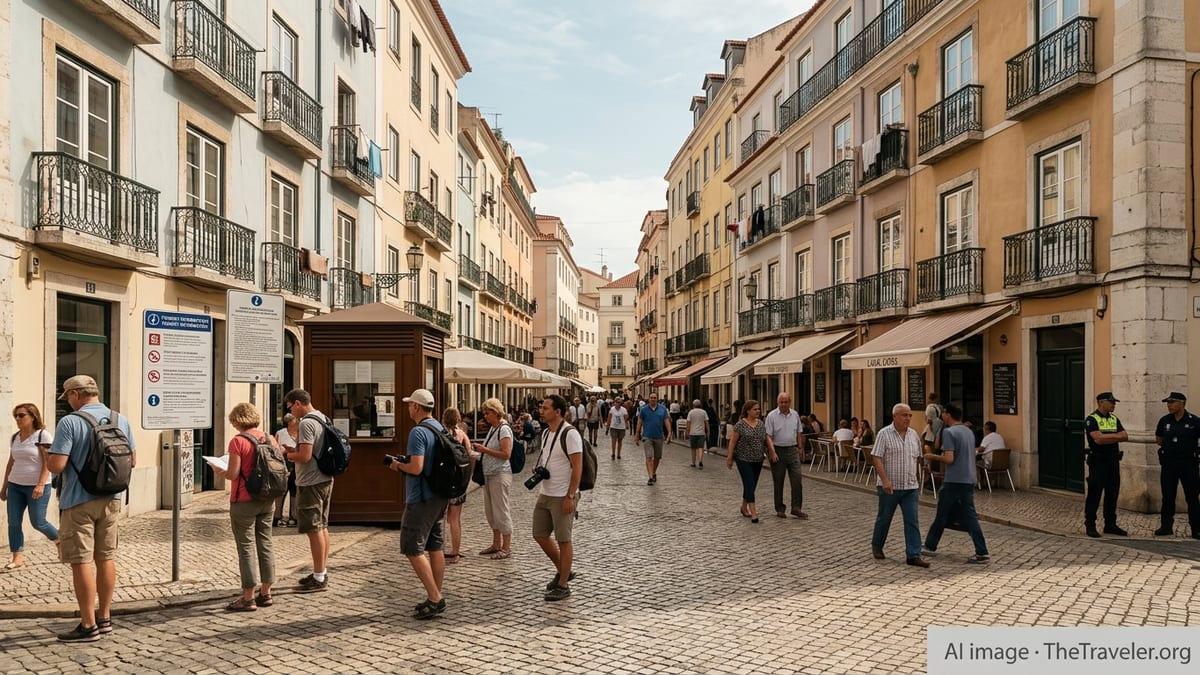
Why Southern Europe Is Tightening the Rules
Across Portugal, Spain and Italy, tourism numbers have rebounded to or exceeded pre-pandemic records, reigniting concerns about overcrowding, housing pressure and the erosion of local culture. Recent seasons have brought highly visible protests in Spanish resorts and historic centres, along with growing public debate in Italy and Portugal over how much tourism is too much.
Publicly available information shows that governments and city councils are responding with a mix of financial, planning and behavioural measures. These range from higher tourist taxes and day-tripper fees to strict caps on short-term rentals and heavier fines for antisocial conduct in nightlife districts.
For travellers, this does not mean southern Europe is closing its doors. Instead, the new framework aims to steer when, where and how visitors experience major sights, while directing more tourism revenue into services and infrastructure used by residents. Understanding these changes before booking 2026 trips will help avoid surprises at check-in or at popular landmarks.
Portugal: Higher City Taxes and Tighter Rental Scrutiny
Portugal has leaned heavily on accommodation taxes as a front-line tool against overtourism, particularly in Lisbon and Porto. In Lisbon, the municipal tourist tax that first appeared in 2016 has been raised in stages and now stands at around 4 euros per person, per night, for up to seven nights, according to recent coverage of 2025 rates. Similar charges apply in Porto and are increasingly common in coastal regions such as the Algarve and island destinations including Madeira and the Azores.
The stated purpose of these fees is to shore up local services strained by visitor numbers, from street cleaning and security to public transport and heritage conservation. For visitors in 2026, that means city stays will routinely include a line item for a municipal or regional tax on hotel and short-term rental bills, often collected separately from the base room rate.
Portugal is also tightening oversight of local accommodation licences, known as AL registrations, particularly in central neighbourhoods of Lisbon and Porto where a high density of short-term rentals has been linked to rising housing costs. While specific 2026 caps continue to evolve, reports indicate a clear policy direction toward limiting new tourist lets in saturated areas, emphasising longer-term rentals for residents instead.
Travellers using platforms for apartments and guesthouses in 2026 should expect more rigorous ID checks, clear licence numbers on listings and a reduced supply of entire-home rentals in historic centres compared with the boom years before the pandemic.
Spain: Crackdown on Illegal Rentals and Rowdy Tourism
Spain is moving aggressively to reshape its tourism model after welcoming a record number of foreign visitors in 2024, with protests in Barcelona, the Canary Islands and other hotspots highlighting frustration over crowded streets and housing shortages. National and regional authorities have stepped up enforcement against unlicensed holiday rentals, removing tens of thousands of illegal listings from official registers in regions such as Andalusia, Catalonia, Valencia and the Canary Islands.
Recent reports indicate that Spain has imposed a substantial fine on a major rental platform for hosting properties that breached local rules, while cities are raising the stakes for owners who ignore licensing requirements. In the Balearic Islands, which include Mallorca, Ibiza and Menorca, a 2025 decree increased maximum penalties for illegal tourist rentals to as much as 500,000 euros, coupled with a continued moratorium on new licences in saturated areas.
Behaviour rules are also becoming stricter. The Balearic Islands have extended bans on street drinking and happy-hour promotions in key resort zones, with on-the-spot fines for public drunkenness, balcony-jumping and other risky behaviour. Local media aimed at visitors to Mallorca in 2025 highlight the possibility of fines and even short-term detention in serious cases, signalling that enforcement is no longer symbolic.
Looking ahead to 2026, analysis of new rental regulations points to a “watershed year” for Spain, with many regions tightening licence regimes and giving building communities stronger powers to restrict or veto tourist rentals in residential blocks. Barcelona has already set a path to phase out tourist apartments by 2028, which is expected to reduce the stock of short-term rentals well before that deadline, making early, compliant bookings increasingly important for visitors.
Italy: Venice and Major Cities Lead With Fees and Caps
Italy has become an emblem of overtourism debates, and several of its most visited cities are experimenting with tougher tools to manage crowds. Venice has expanded a day-tripper entry fee for visitors who are not staying overnight in the historic centre. The scheme, tested in 2024, entered a second year with charges typically between 5 and 10 euros on designated peak days, accompanied by an online booking system and QR code checks at entry points.
Coverage of the policy notes that the number of chargeable days is being gradually increased, aimed at the busiest spring and summer weekends when cruise traffic and day tours converge. The goal is to spread visits across the calendar and capture additional revenue from those who use the city’s services without contributing through overnight taxes.
Elsewhere in Italy, tourist taxes are becoming more complex and, in some cities, higher. A 2026 overview of Italian tourist levies highlights updated overnight rates and special charges linked to landmark access. Rome, for example, now combines an existing per-night hotel tax with targeted ticket fees at high-demand attractions such as the Pantheon and, more recently, new fees and crowd controls at the Trevi Fountain, where visitor flows are channelled through timed access points.
Florence is pursuing a different but related approach by focusing on housing. Regional legislation in Tuscany has been upheld in court, allowing Florence to freeze new short-term tourist rentals in its historic centre and consider extending controls to additional neighbourhoods. The intent is to keep more homes available for residents and curb the conversion of entire buildings into holiday accommodation, which locals argue is hollowing out the city’s social fabric.
What 2026 Travellers Need to Do Differently
For travellers, the emerging patchwork of rules across Portugal, Spain and Italy means that 2026 trips will require more preparation, especially for independent visitors who rely on short-term rentals and like to explore nightlife districts. Budget planning should factor in higher city taxes, particularly in Lisbon, Porto, Barcelona, Rome and Venice, where nightly or day-trip charges can add a noticeable amount to overall costs.
Booking accommodation will demand closer attention to legality and registration. Visitors are increasingly advised by local consumer groups and travel coverage to choose properties that clearly display official licence numbers and to be cautious of listings that avoid basic identity checks. In cities such as Barcelona, Florence or Málaga, the choice of neighbourhood can determine whether short-term rentals are even permitted.
Behavioural rules also matter more than before. Drinking on the streets of Spanish resorts, reserving beach space with unattended towels, swimming in Venice’s canals or ignoring quiet hours in dense apartment blocks can all draw fines that are actively enforced. Travellers who adapt to these expectations are more likely to enjoy smoother stays and contribute to a more positive relationship between visitors and residents.
Overall, the direction of travel for 2026 is clear. Portugal, Spain and Italy remain keen to welcome international visitors, but on terms that better protect housing, public space and cultural heritage. Those willing to plan ahead, pay the new fees and respect the evolving codes of conduct will still find the Mediterranean’s classic attractions very much open, even as the era of unlimited, low-regulation tourism recedes.