

More news on this day
Hotels across Europe, the Middle East and Africa are reporting another year of solid trading in 2025, with room revenues rising on robust travel demand even as mounting labor, energy and development costs weigh on profitability and future supply.
Get the latest news straight to your inbox!
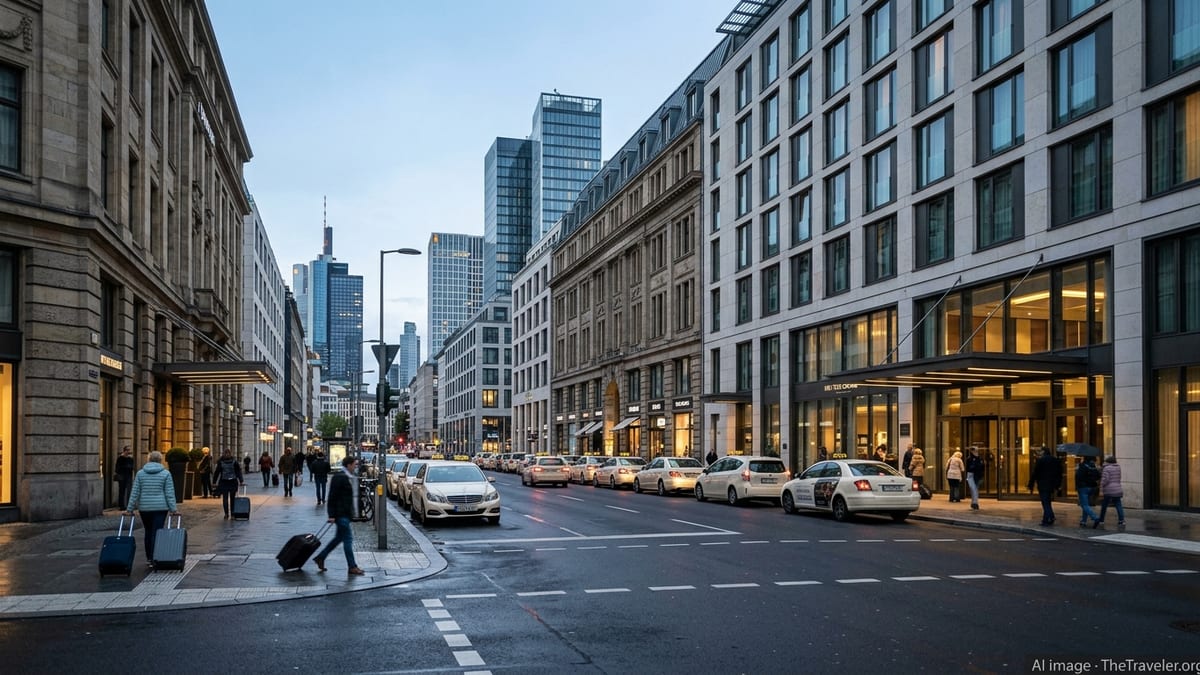
RevPAR Growth Holds as Travel Demand Stays Resilient
Publicly available trading updates from major international operators show that the EMEA hotel market continued to grow revenue per available room in 2025, largely driven by higher average daily rates rather than big gains in occupancy. Corporate travel, meetings and events, and high-spending leisure segments remained key contributors, particularly in primary cities and established resort destinations.
In Western Europe, reports indicate mid-single-digit RevPAR growth through mid‑2025, supported by city breaks, cultural tourism and a steady return of long‑haul visitors. Large brands highlight major capitals such as London, Paris, Madrid and Rome as consistent outperformers, with events, concerts and sports fixtures providing additional compression nights that support rate strength.
Across the Middle East, headline performance is even stronger, with data cited by regional trade shows and analytics providers pointing to elevated occupancy and premium pricing in Gulf Cooperation Council hubs. Dubai and key cities in Saudi Arabia continue to benefit from long-term tourism strategies, large-scale events and expanding air connectivity, helping to sustain high room yields through much of the year.
In Africa, performance is more mixed but generally positive in gateway cities and established safari and coastal destinations. International visitor arrivals have picked up where political conditions and air access are stable, while domestic and regional travel are helping to underpin occupancy in markets with more limited foreign demand.
Profit Margins Squeezed by Labor and Operating Expenses
Behind the topline growth, 2025 has been marked by persistent cost pressures that are eroding some of the gains in room revenue. Sector research on hotel labor trends shows that payroll expenses, including wages, benefits and overtime, have increased at a faster pace than total operating revenue since before the pandemic, reflecting tight labor markets and rising minimum pay in major European economies and Gulf markets reliant on expatriate staff.
Owners and operators across EMEA are reporting higher utility bills and property-related costs as well, particularly in markets where energy prices remain volatile or where governments are tightening environmental standards. Older full-service properties with extensive public areas and energy-intensive facilities are disproportionately exposed, pushing management teams to invest in efficiency upgrades and smarter building systems to rein in consumption.
Food and beverage cost inflation has moderated from earlier peaks but remains elevated in many countries, further challenging hotels that rely on banqueting, conferences and restaurants as key profit centers. Industry commentary suggests that many operators are refining menu engineering, renegotiating supplier contracts and adjusting event pricing structures in an effort to protect gross operating profit without undermining demand.
As a result, while gross operating profit per available room has risen in several leading markets thanks to higher room rates, margin expansion is proving more modest than topline figures alone would suggest. Investors therefore remain focused on properties and brands that can demonstrate cost discipline, high labor productivity and flexible operating models.
Development Pipeline Faces High Construction and Finance Costs
On the investment side, recent European hotel transaction research shows that EMEA deal volumes rebounded in 2025, with more than a dozen billion euros in assets changing hands across the region. Prime city-center and resort properties with strong trading histories attracted intense interest, particularly in the upper upscale and luxury segments where supply remains constrained.
However, the pipeline of new hotel openings is under pressure from elevated construction costs and more expensive financing. Global construction and quantity surveying firms report that per-room development costs for hotels remain significantly above pre‑pandemic levels, driven by higher prices for materials, fit‑out and specialized building services. In addition, tighter lending standards and higher interest rates in several markets are leading lenders to scrutinize new-build projects more carefully.
These dynamics are leading to delays and, in some cases, cancellations of planned openings. Industry analyses of the EMEA pipeline indicate that a notable share of hotels originally scheduled to come online in 2025 and 2026 are experiencing delivery slippage due to contractor capacity constraints, cost overruns and prolonged permitting processes. This particularly affects large urban mixed-use projects and resort schemes in complex coastal or heritage locations.
At the same time, investors are increasingly turning to conversions and repositionings as a way to grow portfolios without taking on full ground-up development risk. Converting older office, residential or underperforming hotel assets into contemporary lifestyle, extended-stay or branded midscale products is emerging as a favored strategy in many European cities and selected Middle Eastern gateways.
Regional Performance Diverges Across Europe, the Middle East and Africa
Beneath the aggregated EMEA numbers, there are marked regional differences in how 2025 is playing out. In Northern and Western Europe, markets heavily dependent on intra-European travel have generally seen stable or slightly higher occupancy compared with 2024, while being able to sustain strong room rates in part thanks to limited new supply in central locations.
Southern European resorts remain beneficiaries of resilient leisure demand, although some coastal areas report a normalization of stay lengths and booking windows after the sharp rebound years of 2022 and 2023. Shoulder seasons are becoming increasingly important as destinations seek to spread visitor flows beyond peak summer, using events and targeted promotion to support occupancy at acceptable rate levels.
In the Middle East, performance is shaped by major national development agendas, religious tourism cycles and a packed calendar of international events and exhibitions. Saudi Arabia’s ongoing investment in new destinations and cultural attractions, the United Arab Emirates’ focus on diversified tourism, and Qatar’s effort to leverage its sports and meetings infrastructure continue to underpin strong hotel metrics in 2025, particularly in the upper tiers of the market.
Across Africa, the picture is highly fragmented. Countries with stable macroeconomic conditions and growing aviation links, such as Morocco, Rwanda, Kenya and South Africa, are generally seeing improving trading, while destinations facing currency volatility or security concerns remain challenged. International operators continue to expand selectively, tending to favor asset-light management and franchise models that limit capital exposure.
Owners and Operators Refocus on Efficiency and Asset Strategy
In response to the combination of solid demand and rising costs, hotel companies active in EMEA are sharpening their focus on efficiency, technology and strategic asset management. Many brands are deploying advanced revenue management tools, data analytics and artificial intelligence-driven forecasting to fine-tune pricing, staffing levels and distribution mix on a daily basis.
Operational models are also evolving. Reports on labor trends describe wider adoption of flexible staffing, cross-training and digital guest services to reduce repetitive tasks and allow limited teams to cover more ground. In some markets, self-check-in kiosks, mobile keys and app-based service requests are becoming standard, which can support leaner front-office operations while still meeting guest expectations.
From an investment standpoint, the divergence between strong operating cash flows in many prime assets and the challenges of new development is prompting owners to reassess portfolios. Some are exiting non-core or underperforming properties to recycle capital into higher-yield markets or into refurbishments that can justify rate premiums. Others are exploring mixed-use integrations, such as branded residences or co-working components, to diversify income streams and enhance overall asset value.
Looking ahead, analysts expect the EMEA hotel sector to remain fundamentally supported by travel demand in 2026, but the balance between performance and costs will continue to define returns. Stakeholders across the value chain are therefore concentrating on disciplined capital allocation, sustainability-linked efficiencies and guest-centric innovation as they navigate a market that is strong on revenue yet increasingly expensive to operate and build in.