

More news on this day
Travelers planning summer 2026 trips to Africa, Europe and Asia are confronting sharply higher long-haul airfares just as demand for international travel accelerates again, raising urgent questions about how far vacation budgets can realistically stretch in the months ahead.
Get the latest news straight to your inbox!
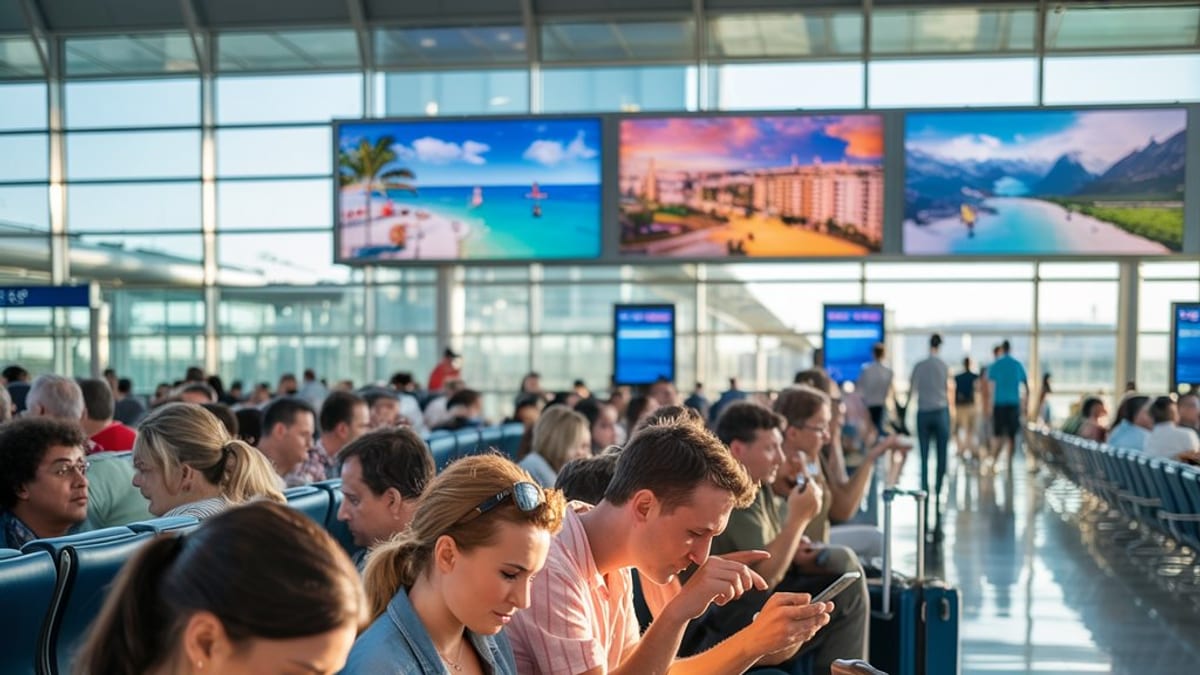
Image by Latest International / Global Travel News, Breaking World Travel News
Global Airfare Pressures Collide With Surging Demand
Several recent industry datasets point to a complex picture for summer 2026 pricing. Aviation analysis firm OAG reports that global airfares in early 2026 are roughly 24 percent higher than comparable periods in previous years, marking one of the steepest jumps since before the pandemic. At the same time, Airports Council International and other forecasters say global passenger traffic is closing in on the symbolic 10 billion journey mark, with international itineraries growing faster than domestic travel, especially across Europe, Africa and Asia.
Pressure on fares is particularly acute on long-haul routes. Global travel reports for 2025 and 2026 show that average ticket prices in Europe, the Middle East and Africa rose in 2024 and are projected to grow further through 2026, even if the rate of increase slows. Industry outlooks suggest that while some markets may see periods of stability, structural drivers such as strong leisure demand, limited capacity on certain routes and higher operating costs continue to support elevated pricing on intercontinental flights.
Asia remains a flashpoint for sticker shock. Analyses of North America to Asia routes indicate that typical round-trip economy fares are substantially higher than in 2019, reflecting a slower restoration of capacity and robust demand for both tourism and visiting-friends-and-relatives travel. Similar dynamics are reported on certain Africa routes where international seat capacity is rising quickly, but from a relatively low base, giving airlines room to hold firm on pricing during peak seasons.
Layered on top of these demand and capacity trends is a renewed spike in jet fuel costs linked to geopolitical tensions in key oil-producing regions. Coverage from major news agencies in March 2026 notes that fuel price increases are already feeding into higher operating expenses, with analysts warning that the impact will be felt most on long-haul international services that require more fuel per passenger.
Regional Outlook: Africa, Europe and Asia in 2026
Across Africa, new analysis released in March 2026 by the African Travel and Tourism Association highlights a rapid expansion in international seat capacity, with year-on-year growth estimated in the high teens for the first part of the year. The data underscores an encouraging recovery for African tourism but also a more competitive, rapidly evolving aviation market in which foreign and local carriers are adjusting capacity and pricing as they chase emerging leisure and business demand.
European routes show a more nuanced pattern. Corporate travel and premium demand to and from Europe pushed average ticket prices higher in 2024, and forecasts from major global business travel consultancies suggest additional, though more modest, increases in 2025 and 2026. However, some consumer-facing search platforms are reporting that early searches for summer 2026 itineraries show selective softness on certain Europe routes, with average advertised fares from North America down compared with last year, particularly where low-cost carriers and new long-haul entrants have expanded capacity.
In Asia, the recovery is still uneven. International capacity in Asia-Pacific continues to climb and is expected to be a primary driver of global demand growth in the first half of 2026. Yet analysts note that some large markets have not fully restored pre-pandemic schedules, which can keep fares elevated on specific city pairs. Reports on 2026 travel pricing describe Asia as both a region of ongoing high prices compared with 2019 and, paradoxically, an emerging value play on certain routes where competition has intensified and advance-booking discounts remain available.
For travelers looking specifically at combinations such as North America to East Africa safaris, Mediterranean Europe or Southeast Asia beach destinations, the emerging reality is that average fares for peak summer departures are likely to remain well above inflation-adjusted 2019 levels, even if some headline reports talk broadly about stabilization or small declines in global averages.
Smart Timing Strategies to Soften the Shock
With published data suggesting that overall fare levels may stay high through at least 2026, timing becomes one of the most effective tools for protecting a travel budget. Analyses from major booking platforms continue to show consistent patterns: long-haul international itineraries often price more favorably when purchased several months in advance, before close-in business demand tightens remaining capacity.
For many corridors between North America and Europe or Asia, travel data indicates that booking roughly three to six months ahead can capture lower average fares, particularly for departures outside the absolute peak of late June and early August. Shoulder-season travel at the start or end of summer, such as May or September trips, is frequently associated with softer pricing, especially to European and Northern Asian destinations where school calendars and weather patterns influence peak demand.
Departure day also matters. Aggregated historic pricing from online travel agencies suggests that flying on less popular departure days, such as midweek, can yield double-digit percentage savings compared with typical weekend departure patterns. Travelers considering complex itineraries to Africa or multi-stop journeys that combine Europe and Asia may find that simply shifting outbound or return legs by one or two days provides noticeable relief from headline fare increases.
Flexibility on departure airports remains another powerful tactic. In both North America and Europe, secondary or competing hubs sometimes display lower average fares on identical dates due to greater competition or differing capacity decisions. For travelers willing to add a train segment or short-haul positioning flight, looking beyond the nearest major hub can open up alternative routings that price below the most visible, nonstop options.
Rethinking Routes, Airlines and Cabin Choices
Industry outlooks for 2026 emphasize that airlines continue to fine-tune their networks, deploying capacity where yields are strongest. This shifting map creates opportunities for passengers who are willing to be flexible on routing, carrier and cabin. In some cases, one-stop itineraries via a competitive hub in the Middle East, Southern Europe or East Asia can undercut the price of nonstops by a significant margin, even after accounting for longer travel times.
Travel management companies tracking 2026 pricing note that average ticket prices have risen fastest where premium demand has surged. For leisure travelers, that trend can make a strong case for reassessing cabin choices. While premium economy remains attractive on very long sectors to Asia or Southern Africa, moving down one cabin class or accepting a less central seat assignment in exchange for a lower fare can offset a portion of the broader market-wide increases.
Low-cost and hybrid long-haul carriers are another potential release valve. Coverage of aviation developments across Europe, Africa and Asia in 2025 and early 2026 shows new entrants on routes linking secondary cities as well as expanded networks from established budget brands. These carriers may operate fewer weekly frequencies and charge separately for many extras, but for travelers comfortable building a trip around their schedules, base fares can be substantially lower than those of traditional full-service airlines.
Travelers planning multi-country itineraries can also shield their budgets by leveraging intra-regional low-cost networks once they have reached a gateway city. Flying into a major hub with the best long-haul fare and then using separate regional tickets in Europe, North Africa or Southeast Asia often prices below a single through-ticket, though this structure does require longer connection times and careful risk management around delays.
Using Tools, Policies and Currency Shifts to Your Advantage
Beyond route and timing decisions, a series of practical financial tactics can help protect travelers from further volatility in 2026. First, many airlines now advertise at least one free change or credit option on long-haul economy tickets during periodic promotions. Opting for fares that allow limited date changes gives travelers the flexibility to rebook if future price drops appear, particularly when paired with fare-tracking tools that monitor specific routes.
Travelers can also benefit from currency dynamics. Some forecasts for 2026 business and leisure travel pricing point out that while nominal fares may be rising in local currencies in parts of Europe and Asia, exchange rate movements can partially offset those increases for visitors paying in stronger currencies. Monitoring not only base fares but also currency trends can help determine whether to lock in a ticket or wait for more favorable conditions.
Reward programs and credit card points provide another layer of insulation. As average ticket prices rise, the relative value of miles and flexible travel points can improve, especially for long-haul economy and premium economy redemptions on routes to Africa, Europe and Asia. Points-based bookings also create a natural hedge against cash fare spikes driven by sudden jumps in fuel prices or short-term capacity disruptions.
Finally, industry reports suggest that fare volatility remains elevated, with prices on many routes fluctuating significantly week to week. Travelers who set up automated fare alerts, track historical averages on their target routes and are prepared to purchase quickly when a favorable price appears are best positioned to navigate the 2026 pricing environment. Even in a year when headline airfares are rising, a combination of data-driven planning and flexible strategies can keep ambitious Africa, Europe and Asia itineraries within reach of carefully managed travel budgets.