

More news on this day
Travelers planning to fly out of Southeast Asia this summer are being warned to expect longer queues, tight connections and a higher risk of delays as passenger volumes across the region approach or exceed record levels while capacity and staffing struggle to keep pace.
Get the latest news straight to your inbox!
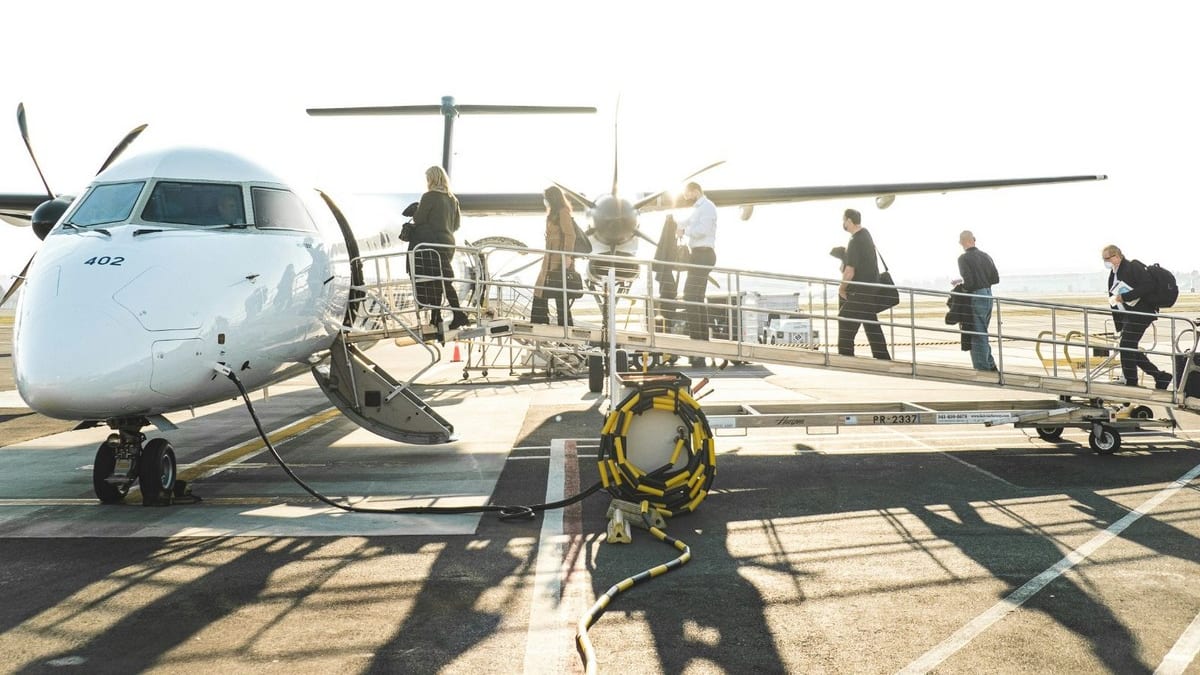
Image by NewsRadio 560 KPQ
Surging Passenger Traffic Across Key Southeast Asian Hubs
Major Southeast Asian gateways are heading into the 2026 peak season with traffic at or above pre-pandemic levels, creating pressure on everything from check-in counters to runway capacity. Singapore’s Changi Airport reported a strong rebound through 2025, handling tens of millions of passengers and approaching historic highs as international travel across Asia fully resumed. Recent traffic updates and annual reports indicate that monthly passenger volumes at Changi during late 2025 were among the strongest since borders reopened, with some days setting new single-day records.
In Thailand, Bangkok’s Suvarnabhumi Airport is preparing for another busy summer after years of rapid recovery. Airports of Thailand has outlined a long-term expansion program designed to lift capacity well beyond 100 million passengers annually, but most of the major construction remains in planning or early phases. For the coming months, the airport will largely be relying on existing terminal and runway infrastructure, even as forecasts point to tens of millions of travelers moving through the hub in the current financial year.
Regional data on airline schedules and bookings suggests that carriers are adding capacity aggressively on routes connecting Southeast Asia to Europe, North America and the Middle East. While additional flights help absorb demand, they also fill airspace and peak-hour slots, raising the risk that small disruptions can cascade into wider delays, particularly during afternoon and evening departure banks.
Infrastructure Strains at Bangkok and Other Thai Gateways
Bangkok’s main international hub has spent the past few years implementing incremental upgrades, including a third runway and a satellite terminal to support additional gates. Industry and local media coverage indicate that these projects have helped lift the number of flights the airport can handle each hour, easing some of the most acute bottlenecks experienced earlier in the decade. Yet reports still point to traffic congestion outside the terminal, crowded departure halls and lengthy immigration and security lines during peak travel periods.
Recent coverage of Suvarnabhumi’s revised master plan describes a multi-phase program that includes a major south terminal, terminal expansions and further airfield improvements stretching into the 2030s. Until those elements come online, travelers remain exposed to day-to-day operational constraints, particularly when weather, air quality episodes or late-arriving inbound flights disrupt the schedule. News reports from 2025 highlighted instances in which visibility problems around Bangkok forced diversions and contributed to knock-on delays across the network.
Other Thai airports, including Phuket, are also undergoing staged capacity upgrades. While these projects aim to raise annual passenger limits by the end of the decade, construction periods can create temporary pinch points. Travelers connecting from Thai leisure destinations to long-haul flights out of Bangkok may face tight transfer windows this summer if inbound services are held up by congestion at security checkpoints, baggage handling areas or on the airfield.
Changi’s Record Rebound and the Risk of Overcrowding
Singapore’s Changi Airport, a primary exit point from Southeast Asia for travelers heading to Europe, North America and Oceania, has returned to the top tier of global hubs by volume. Regional media and traffic statistics for 2025 show that Changi handled close to or above pre-pandemic passenger totals, with strong growth in both full-service and low-cost carrier operations. Several days in late 2025 saw passenger movements in excess of 200,000, illustrating how quickly demand has surged.
Operational briefings and industry circulars have noted that such volumes can strain ground handling, security screening and baggage systems, particularly when paired with thunderstorms common to the region’s wet season. Airfreight market updates in early 2025 also cited congestion at Changi, including backlogs of up to two days in some cargo operations, a sign of how tightly scheduled the airport’s airside activity has become.
For passengers, the practical impact this summer may be longer-than-usual lines at check-in and immigration during morning and evening peaks, busier departure lounges and reduced slack for tight connections. Even though Changi has a strong reputation for efficiency, published data and past peak-season experiences suggest that once queues begin to build, they can take hours to unwind if additional flights or weather disruptions are layered on top.
Global Staffing Shortages and Airspace Constraints Still Linger
Travelers departing Southeast Asia to North America and Europe remain indirectly affected by conditions far beyond the region. Over the past year, news coverage in the United States has documented repeated disruptions linked to air traffic controller shortages and temporary federal flight caps at major hubs. Reports have described reductions in scheduled traffic at busy airports and instances where arrivals into key gateways such as Los Angeles or New York were slowed or briefly halted.
While many of those emergency measures were later eased, aviation regulators and lawmakers in North America continue to highlight controller staffing as a structural challenge. Legislative briefings and policy papers from late 2025 discuss efforts to expand training pipelines and reduce mandatory overtime, acknowledging that controller fatigue and staffing gaps have contributed to delays and near-capacity operations in crowded airspace.
For summer 2026, that means flights departing from Southeast Asian hubs may face airborne holding, rerouting or ground delays if congestion builds at overseas destination or transit airports. Airline scheduling data shows that carriers have restored and expanded long-haul services across the Pacific and over the North Pole, placing additional pressure on key transoceanic corridors and terminal maneuvering areas. Any weather, technical outage or staffing issue in these chokepoints can ripple back through the schedule, leaving aircraft and crews out of position for return legs to Asia.
What Summer 2026 Travelers Should Expect Out of Southeast Asia
Based on the convergence of record or near-record passenger volumes, still-maturing infrastructure projects and lingering staffing constraints elsewhere in the global network, publicly available assessments from airlines, regulators and industry analysts point to a summer of elevated delay risk for those flying out of Southeast Asia. The region’s major hubs are fundamentally more capable than they were a decade ago, but they are also busier and more reliant on complex, tightly timed connections.
Travelers can expect crowding to be most pronounced around weekends, national holidays and school breaks in both origin and destination markets. Midday and late-evening departure waves, when multiple long-haul flights leave within short windows, are likely to see the most pressure on security screening, boarding gates and taxiways. If thunderstorms, haze, runway works or temporary staffing shortages occur during these peaks, delays could compound quickly.
Industry guidance suggests that passengers build in additional time at the airport, avoid the shortest permissible connections and monitor flight status closely in the 24 hours before departure. Although no single trigger is expected to create systemic chaos, the combination of high demand and thin operational margins means that even routine disruptions may translate into longer lines and occasional missed connections for those heading out of Southeast Asia this summer.