

More news on this day
Travellers planning summer getaways are being urged to move quickly, as a combination of rising jet fuel costs, strong passenger demand and limited capacity is expected to push airfares higher in the months ahead.
Get the latest news straight to your inbox!
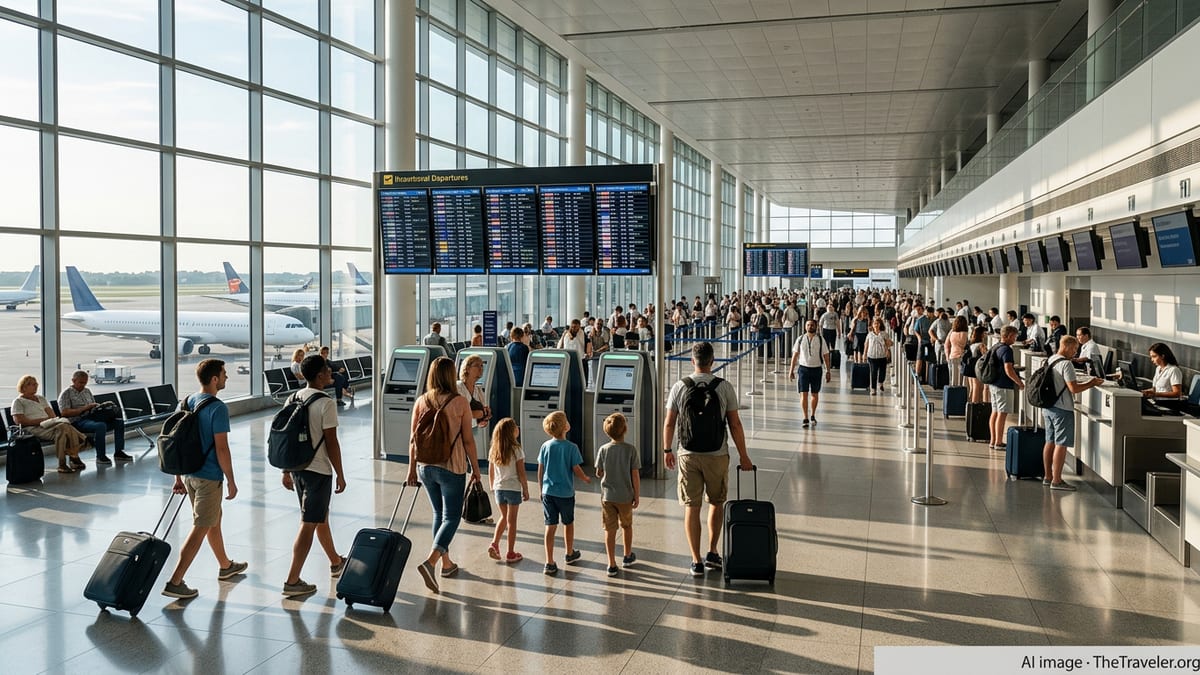
Why Summer 2026 Flights Are Likely to Cost More
Industry data points to another busy peak season, with global passenger demand reaching record levels in 2025 and continuing to grow into 2026. Figures from international aviation groups show traffic rising faster than in many pre-pandemic years, with load factors close to historic highs. This means a larger share of seats is being filled on each flight, giving airlines less incentive to discount heavily during popular summer travel periods.
At the same time, capacity growth has remained relatively constrained. Supply chain issues affecting new aircraft deliveries, ongoing maintenance bottlenecks and staffing pressures have limited how quickly airlines can add seats back into the market. Publicly available outlooks for 2026 indicate that seat capacity is climbing, but only modestly, leaving the balance of supply and demand tilted in favour of higher prices on many routes.
More recently, jet fuel costs have added another layer of pressure. Coverage from global news outlets in March 2026 highlights a sharp rise in fuel prices linked to disruptions in oil supplies, particularly affecting long-haul international services that consume the most fuel. Airlines in several regions have already introduced fare increases or fuel surcharges, and analysts suggest that additional carriers are likely to follow if fuel remains elevated into the summer.
For leisure travellers, these trends collectively point to a summer when last-minute bargains will be far harder to find. While airfares can still fluctuate day to day, the broader direction for peak-period travel is expected to be upward.
The Best Booking Window for Lower Summer Airfares
Travel pricing reports released in early 2026 indicate that timing remains one of the most effective tools for keeping flight costs under control. Analysis of millions of bookings by major online travel agencies suggests that, for many markets, the ideal window for purchasing tickets is roughly one to one and a half months before departure, especially for economy-class travel.
One widely cited 2026 airfare study found that booking between 31 and 45 days ahead yielded some of the most consistent savings on both domestic and international routes. Another dataset, based on tickets issued between late 2024 and late 2025, indicated that travellers who booked flights 31 to 60 days before take-off often paid significantly less than those waiting until the final two weeks.
For summer 2026 specifically, these findings suggest that travellers eyeing departures in June, July and August may want to avoid leaving bookings to the very last minute in the hope of a sudden sale. With demand already high and capacity tight, there is less room for airlines to release steep discounts close to departure, particularly on popular leisure routes to North America, Europe and key beach and city destinations.
Experts who track ticketing trends also caution that booking too early can be counterproductive on some routes, as initial schedules may carry higher introductory fares. In many cases, prices tend to stabilise and become more competitive once multiple carriers have loaded their full summer programs, making the weeks just after this period a strategic time to secure seats.
Choosing the Right Travel Days and Routes
Beyond when travellers book, the specific days they choose to fly can have a noticeable impact on price. Recent analyses of ticket data for 2026 show that certain departure days consistently undercut others, especially on busy leisure routes. Some booking platforms report that, for the first time in several years, Friday departures can be cheaper than Sunday on average, reflecting changing patterns in remote work and travel behaviour.
Sunday remains one of the costliest and most crowded days to fly, particularly for domestic leisure trips and popular return legs at the end of long weekends. Shifting a journey by even a day or two, for example travelling out on a Thursday and returning on a Monday or Tuesday, can reduce fares and ease airport congestion for travellers willing to be flexible.
Routing choices also matter. Nonstop flights are still commanding a premium on many long-haul and transatlantic routes, especially during school holidays. Where time permits, connecting itineraries via secondary hubs can offer meaningful savings. In some cases, departing from or arriving into alternative airports within the same metropolitan area, or considering a nearby city served by low-cost carriers, can unlock lower base fares.
Publicly available data from travel trend reports for 2025 and 2026 indicates that demand is particularly strong for classic summer hotspots such as Mediterranean beach destinations, major US national park gateways and European capitals. Travellers looking to keep costs down may wish to consider second-tier cities, shoulder-season dates in late May or early September, or routes that avoid the busiest Saturdays of July and early August.
Smart Strategies to Lock In Fares Before They Rise
With pricing pressure building ahead of the peak season, travellers are increasingly turning to tools that help them secure acceptable fares while maintaining some flexibility. Many major booking platforms and airline sites now offer fare alerts, allowing users to track specific routes and dates and receive notifications when prices dip. Setting these alerts early in the planning process can help identify what constitutes a genuinely good deal for a chosen itinerary.
Another strategy highlighted in recent consumer travel coverage is to combine early booking with flexible ticket types. While fully refundable fares can be expensive, a growing number of economy products include low-cost change options or credits that can be applied to future travel. This allows travellers to lock in a price today, with some scope to adjust dates or times if a better deal appears within the permitted change window.
Frequent flyer miles and credit card reward points are also drawing renewed attention as airfares rise. Industry commentary notes that using points to book flights can become more attractive when cash prices climb, effectively shielding travellers from some of the volatility in fuel costs and demand-driven surcharges. However, availability in peak summer remains limited on certain routes, so early redemption is often advisable to secure preferred dates.
Travellers aiming to manage budgets may also benefit from breaking up bookings rather than relying exclusively on package deals. While bundled offers can still provide value, separately tracking flights and accommodation gives more visibility into how airfare changes are affecting the overall trip cost, making it easier to switch destinations or adjust trip length if necessary.
How Destination and Trip Style Influence What You Pay
Published forecasts for 2025 and 2026 suggest that not all destinations will be affected equally by rising summer airfares. Long-haul intercontinental routes, particularly those that depend heavily on widebody aircraft and consume more fuel, are viewed as especially vulnerable to any sustained increase in jet fuel prices. Regions that have seen rapid demand growth, but slower capacity additions, are also likely to experience steeper fares.
Shorter-haul and regional routes may see more mixed trends. In markets where low-cost carriers are expanding, competition can still help keep prices in check, even during busy periods. However, where airports are operating close to capacity, or where infrastructure constraints limit the number of additional slots that can be offered at peak times, higher demand may continue to translate quickly into higher prices.
Trip style also plays a role. Flexible, carry-on-only travellers often have more options to chase lower fares by accepting tight connections, alternative airports or inconvenient times of day. Families travelling with checked bags, preferred seating and less room for schedule changes may face higher all-in costs, even if the base fare appears competitive at first glance.
As summer 2026 approaches, publicly available travel forecasts and airline outlooks broadly agree on one message for consumers: airfare inflation is likely to remain a feature of the peak season. For travellers determined to keep costs manageable, acting early, staying flexible on dates and routes, and making full use of fare-tracking tools and rewards programs will be key to locking in the lowest possible prices.