

More news on this day
Sunclass Airlines has joined the European Regions Airline Association (ERA), a move that positions the Nordic leisure carrier at the heart of Europe’s regional aviation debate and signals a fresh push to modernise and decarbonise holiday air travel across the Nordics.
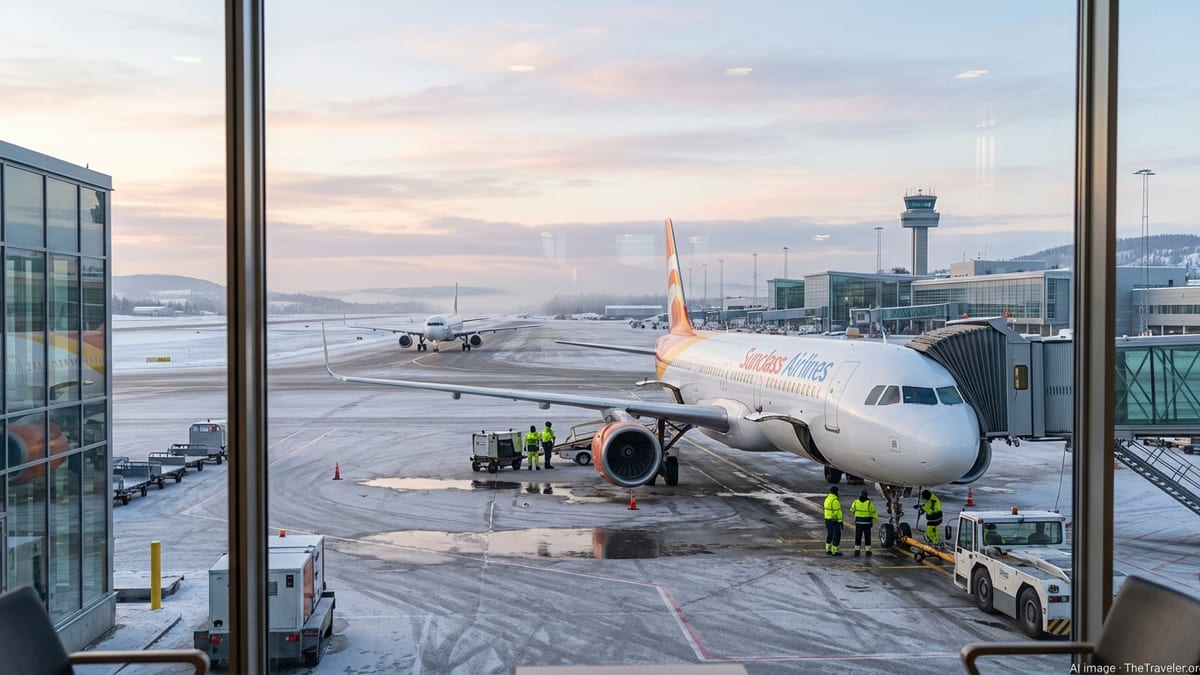
New Membership Underscores Growing Nordic Influence
The European Regions Airline Association confirmed this week that Sunclass Airlines has become its newest airline member, adding one of the Nordics’ most prominent leisure carriers to its ranks. The association, which represents regional and niche operators across the continent, has been expanding its footprint as regional connectivity climbs higher on the political agenda in Brussels and in national capitals.
Based in Denmark and trading under its current name since 2019, Sunclass operates an extensive charter network from Nordic countries to sun destinations across Europe and beyond. Its arrival in ERA comes as the group seeks to reflect a broader cross-section of regional operations, from scheduled feeders to integrated tour-operator airlines that connect peripheral regions with key tourism markets.
ERA’s leadership has framed the membership as part of a wider effort to ensure that leisure-focused regional flying, which is vital to many local economies in northern Europe, is fully represented in policy discussions over connectivity, infrastructure and sustainability. The addition of Sunclass follows the recent joining of other Scandinavian players, underlining the growing weight of Nordic voices within the association.
For Sunclass, membership provides a formal platform to shape debates that directly affect its operations, from slot coordination at congested hubs to the roll-out of sustainable aviation fuels and airport charging frameworks that can have a disproportionate impact on regional and charter airlines.
What Sunclass Brings to ERA’s Regional Portfolio
Sunclass Airlines is the largest charter carrier in the Nordic region, flying more than a million passengers each year from dozens of airports across Denmark, Sweden, Norway and Finland to Mediterranean resorts, Canary Island gateways and selected long-haul destinations. Its business model sits at the intersection of regional aviation and packaged tourism, with tightly coordinated schedules designed to match Nordic school holidays and seasonal demand patterns.
The airline’s operations are closely integrated with Nordic Leisure Travel Group, which combines tour operators, in-house hotel brands and retail services such as inflight and pre-order shopping. That end-to-end structure gives Sunclass a detailed understanding of how regional connectivity underpins tourism flows, not just between capital cities but from smaller provincial airports that depend on charter flights to sustain local employment and outbound travel choice.
By bringing this integrated leisure perspective into ERA, Sunclass is expected to broaden the policy lens beyond traditional regional scheduled routes to include seasonally concentrated traffic flows, complex tour-operator logistics and the specific needs of charter-heavy airports. This could influence how regulators view everything from slot allocation rules at holiday hotspots to state aid guidelines designed to protect essential connectivity.
Industry observers note that Sunclass’s Nordic footprint, spanning large bases and smaller secondary airports, also strengthens ERA’s advocacy on issues such as air traffic management modernisation and regional airport funding. Many of the airports served by the airline rely on a mix of scheduled and charter traffic, making them sensitive to regulatory changes that could shift or suppress demand.
Reinforcing ERA’s Evolving Nordic Membership
Sunclass’s arrival in ERA comes amid a broader reshaping of the Nordic aviation landscape, where regional and leisure carriers are adapting to new alliance structures, evolving tour patterns and tighter environmental expectations. Scandinavian airlines have been active in consolidating partnerships and seeking representation in European forums to ensure that sparsely populated regions are not left behind in the transition to greener aviation.
ERA has recently welcomed other Nordic-based operators, including cargo and specialist carriers, broadening its membership beyond traditional regional feeder airlines. The association’s decision to hold its 2025 Regional Airline Conference in Copenhagen reflects the strategic importance it attaches to the Nordic market and its complex mix of domestic, regional and leisure traffic.
For Nordic policymakers, the presence of Sunclass within ERA provides an additional channel to communicate the specific needs of northern communities that rely heavily on air travel due to long distances, challenging geography and limited alternative transport infrastructure. This includes debates over how quickly sustainable aviation fuels can be scaled in remote regions and how airport charges can be structured to maintain affordable leisure travel without undermining environmental objectives.
The combination of tour-operator airlines, regional carriers and freight specialists from the Nordics within ERA also creates opportunities for joint initiatives in areas such as winter operations, de-icing innovation and route development to underserved regional and coastal destinations.
Digitalisation and Fleet Strategy Support the Shift
Sunclass’s decision to join ERA coincides with a broader modernisation drive across its operations and fleet support arrangements. The airline has entered into multi-year partnerships with digital records and lifecycle asset management providers to streamline technical documentation, improve oversight of lease obligations and support smarter maintenance planning across its aircraft.
By digitising maintenance records and adopting predictive analytics, Sunclass aims to reduce downtime and improve reliability on high-season charter routes where schedule resilience is critical. This approach helps the carrier optimise the utilisation of its Airbus fleet, which includes narrowbody and widebody aircraft tailored to both short-haul Mediterranean sectors and longer leisure routes to destinations such as the Caribbean and parts of Africa and Asia.
In parallel, Sunclass has expanded long-term component support arrangements with major maintenance, repair and overhaul specialists to cover current and future generations of its aircraft, including the latest Airbus neo models. These contracts secure access to pooled spare parts, logistics services and home-base stocks at its main hub in Copenhagen, enabling faster turnarounds and better cost control.
Within ERA, these experiences in digital transformation and fleet support could feed into best-practice exchanges on how regional and leisure airlines can manage rising maintenance costs, labour shortages and supply chain constraints while still investing in newer, more efficient aircraft types aligned with Europe’s decarbonisation goals.
Sustainability Pressures Shape Regional Leisure Networks
The timing of Sunclass’s entry into ERA is closely linked to the mounting regulatory and market pressure on European aviation to cut emissions. Regional and leisure carriers face particular challenges in meeting sustainable aviation fuel mandates and emissions reduction targets while keeping ticket prices within reach of cost-sensitive holidaymakers.
ERA has been vocal about the need for implementation of sustainable aviation fuel regulations that recognises the diversity of its members’ business models, warning that a one-size-fits-all approach risks undermining connectivity from smaller airports. Sunclass’s network, which links secondary Nordic airports directly with southern European resorts, offers a real-world case study of how such rules can impact peripheral regions and seasonal operations.
Sunclass has already taken steps to integrate newer, more fuel-efficient aircraft into its fleet and to collaborate with partners on digital tools that optimise fuel burn and maintenance planning. Within the association, the airline is expected to contribute to discussions on how charter-heavy operators can participate in early sustainable aviation fuel uptake, including through pooled procurement mechanisms and long-term offtake agreements coordinated at a regional level.
At the same time, the carrier’s tour-operator affiliations allow it to shape traveller behaviour by promoting longer stays, off-peak travel and more sustainable hotel options, linking the decarbonisation of air travel with broader tourism strategies. ERA’s policy work increasingly emphasises such end-to-end perspectives, which view regional flights as one element of a larger travel and tourism ecosystem.
Strengthening Peripheral Connectivity Across the Nordics
While much attention in Nordic aviation focuses on major hubs such as Copenhagen, Stockholm Arlanda and Oslo Gardermoen, Sunclass’s network depends heavily on a constellation of regional and secondary airports that serve smaller cities and coastal communities. Many of these airports have limited scheduled services outside the summer season, meaning charter flights play an outsized role in sustaining their operations.
By joining ERA, Sunclass gains a stronger voice in policy debates about the future of these peripheral airports, including questions around state support, environmental charges and investments in infrastructure such as ground power, de-icing systems and sustainable aviation fuel storage. The association has consistently argued that regional airports are critical to balanced economic development, particularly in countries with dispersed populations like the Nordic states.
For local communities, the continued presence of direct charter flights can be the difference between viable outbound tourism options and long surface journeys to major hubs. As environmental concerns prompt some travellers to reconsider flying, airlines and associations are working to ensure that regional connectivity can be maintained while emissions per passenger are reduced through newer aircraft, optimised load factors and cleaner fuels.
Sunclass’s seat at the ERA table is likely to support more coordinated Nordic advocacy on these issues, helping align national transport strategies with the practical realities faced by airports that may see intense seasonal peaks but relatively modest annual passenger numbers.
Competitive Landscape and Alliance Dynamics in the Region
The entry of Sunclass into ERA also reflects shifting competitive dynamics in Nordic aviation. Legacy carriers, low-cost operators and leisure-focused airlines are all adjusting their strategies as passengers return in large numbers and as new global alliances reshape long-haul connectivity from the region.
For a charter specialist like Sunclass, regional competition is less about frequent scheduled services between major cities and more about who can provide reliable, well-timed holiday flights that integrate seamlessly with package offerings. Within this context, participation in ERA offers intelligence on regulatory developments, market trends and potential partnerships in areas such as interline arrangements, ground handling and shared sustainability initiatives.
As other Nordic airlines reconfigure their alliance and partnership portfolios, smaller regional and leisure carriers are increasingly turning to trade associations to ensure that their interests are heard alongside those of large global network airlines. Sunclass’s membership underlines this trend and underscores the carrier’s intention to be part of the wider conversation shaping Europe’s aviation future rather than remaining on the sidelines as a niche holiday operator.
Analysts suggest that greater collaboration among ERA members could lead to innovative forms of cooperation, including combined charter and scheduled offerings on certain routes, coordinated seasonal capacity planning and joint marketing of regional gateways as entry points to broader tourism regions.
Implications for Travelers and the Wider Tourism Economy
For travellers across the Nordics, the immediate impact of Sunclass joining ERA will be largely behind the scenes, manifested in incremental improvements rather than dramatic overnight changes. Over time, however, the airline’s deeper involvement in European policy and industry discussions could help protect and enhance the choice of direct leisure routes from smaller airports.
Participation in association-led working groups on safety, operations and customer experience may translate into more resilient schedules, smoother disruption handling and better alignment between airline and airport investments. As Sunclass continues to upgrade its digital tools and fleet support, passengers could see more reliable aircraft availability, more accurate real-time information and potentially lower operating costs that help keep holiday packages competitive.
The tourism sector in destination countries also stands to benefit from a stronger regional voice for Nordic charter airlines. Direct flights from provincial Nordic airports to resort regions can be vital for hotels, attractions and local service providers seeking to diversify source markets beyond major metropolitan areas. ERA’s lobbying for balanced regulation aims to ensure that such routes remain commercially viable even as climate policies tighten.
Ultimately, Sunclass’s membership underscores a broader shift in European aviation governance, where regional and leisure airlines are pressing for a more nuanced approach that recognises their role in sustaining both everyday connectivity and the tourism flows that underpin many local economies. For holidaymakers flying south from the Nordics, the outcome of these debates will help determine how easy, affordable and sustainable their future trips will be.