

More news on this day
New research into U.S. travel habits suggests that comfort, familiarity and quality time with loved ones now rank ahead of buzzy, trend-led destinations when Americans plan their vacations, signaling a shift in priorities as many travelers balance tight budgets with a desire for meaningful experiences.
Get the latest news straight to your inbox!
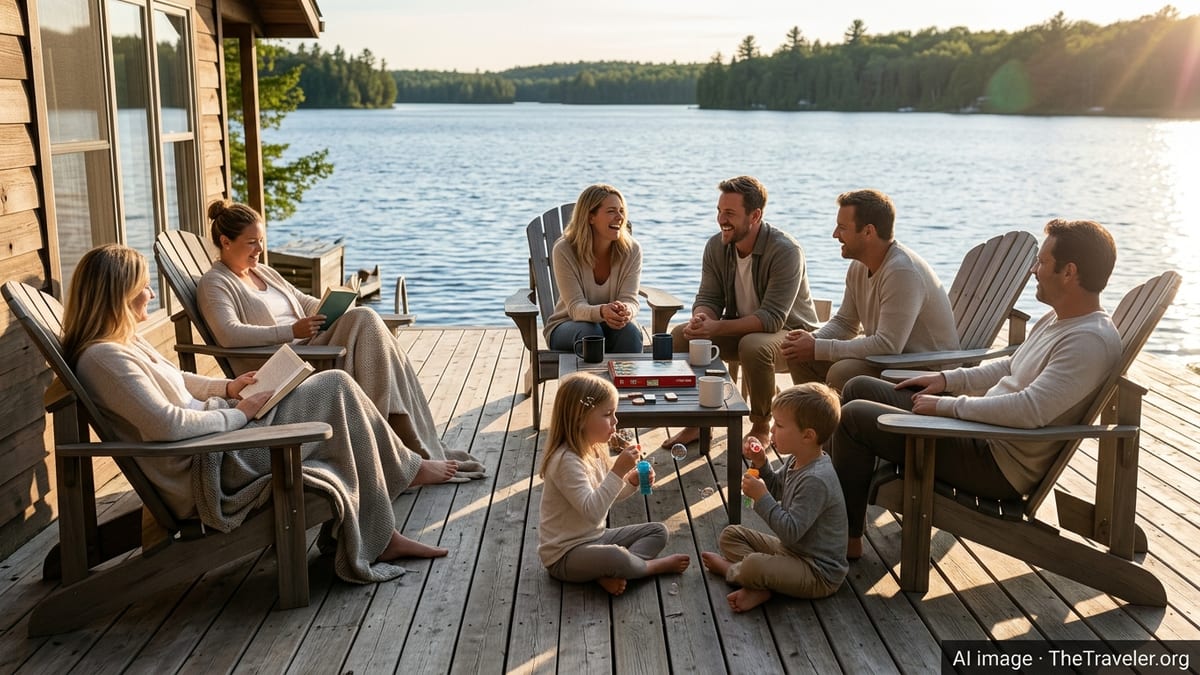
Surveys Point to Relaxation and Relationships Over Hype
Recent consumer surveys indicate that Americans are increasingly designing trips around relaxation and relationships rather than headline-making locations or social media appeal. A 2025 holiday barometer from a major insurance and assistance group finds that more than seven in ten Americans say vacations that offer relaxation, family time and nature are their top preference, underscoring how restorative breaks now trump bragging rights to the latest "it" spot.
Separate polling on travel spending trends in 2025 reports that nearly half of U.S. adults view the memories made on vacation as priceless, even as they adapt plans to economic realities. Many respondents describe travel as an investment in themselves or their relationships, and a notable share say they are willing to adjust destination, timing or mode of transport to protect the overall experience rather than chase a specific far-flung locale.
This recalibration does not mean Americans are traveling less or surrendering aspirations altogether. Instead, it reflects a more values-driven approach: choosing trips that feel restorative, emotionally significant and manageable, even if that means skipping certain high-profile destinations or trending experiences heavily promoted on social platforms.
Familiar Stays and “Repeat Comfort” Shape Where Americans Sleep
Accommodation choices also reflect a tilt toward comfort and predictability. Research highlighted by Statista from a Booking.com survey shows that nearly three-quarters of U.S. travelers planned to stay in accommodations they had previously enjoyed in 2024, a far higher share than in major European markets. The data points to a strong desire for familiarity, where travelers know what to expect from a property, neighborhood and service level.
Other studies of U.S. travelers during the holiday period show a majority now preferring hotels over short-term rentals, citing clear amenities, transparent pricing and reduced friction as key reasons. Travelers report that while home rentals can be attractive for larger groups, traditional hotels still carry a perception of reliability and ease that aligns with a comfort-first mindset.
Even when Americans opt for vacation rentals, surveys from large online travel brands suggest they are often looking for specific conveniences or home-style comforts not available to them every day. Rather than using rentals purely as a gateway to trendsetting neighborhoods, many are drawn by practical features such as full kitchens, extra space for multigenerational groups or private outdoor areas that make it easier to relax together.
Destination Decisions Driven by Budget, Proximity and Trusted Voices
The latest seasonal forecasts show that cost is now the single most important factor in destination choice for many U.S. travelers. A 2024 summer travel survey by a large vacation rental marketplace found that nearly one-third of Americans rank price as the top consideration when deciding where to go, ahead of specific activities, experiences or even weather. This cost focus is prompting more travelers to consider closer-to-home trips that feel familiar and manageable.
At the same time, Americans are relying less on trend lists and more on personal networks when they do choose where to go. A national survey of beach travelers for the 2025 season reports that more than two-thirds of respondents pick their ideal beach destination based on recommendations from family and friends, while a smaller share rely on rankings or social media content. That pattern suggests that word-of-mouth and shared memories carry more weight than viral posts about fast-rising hotspots.
Industry reports also note that many Americans are open to flexing their destination or travel dates to secure better value, rather than holding firm to a single aspirational location. In practice, that can mean swapping an international trip for a domestic coastal town, choosing a familiar state park over a remote wilderness area, or shifting peak-season plans to shoulder periods that still deliver quality time together with fewer financial trade-offs.
Relaxing Trips Outpace Adventure as Time and Energy Squeeze Grows
Time pressure is another factor nudging Americans toward calmer, connection-focused vacations. A travel trends report from a major itinerary and trip management app found that relaxation trips remain the most popular and accessible option for U.S. travelers, significantly outpacing adventure travel. While those who do seek adventure often cite personal growth and novel experiences, many travelers say limited paid time off and daily life fatigue make low-stress itineraries more realistic.
Other holiday travel intention studies show family excursions topping the list of planned trips in the near term, ahead of solo adventures or purely experiential getaways. Shorter breaks of just a few nights are also becoming more common, as households aim to recharge without the logistical and financial strain of longer, more complex journeys.
These patterns reinforce a broader shift: the definition of a satisfying vacation is moving away from high-intensity sightseeing or extreme activities toward slower days, simple routines and unhurried time with the people who matter most. For many Americans, that might mean returning to the same lake house each year, driving to a familiar beach town or booking a trusted hotel brand in a city they already know.
Meaningful Memories Outweigh Trend-Driven Travel
Across surveys, a consistent theme emerges: Americans are less concerned with matching social media-driven travel trends and more focused on creating durable memories. Research conducted by travel coaching and wellness organizations in 2023 found that many travelers view trips as a way to deepen bonds with partners, family and friends or to nurture their own well-being, with goals such as healing, inner peace and personal reflection ranking alongside adventure and novelty.
Additional cross-border tourism studies report that a majority of Americans prioritize cultural immersion, learning and connection when they do travel abroad. Rather than chasing the latest hotspot, they are seeking experiences that feel authentic and emotionally resonant, whether that means lingering in a familiar small town, visiting relatives in another state or exploring a destination that aligns with their interests rather than its trend status.
For the travel industry, these findings suggest that messaging built around comfort, trust and shared experiences may resonate more strongly than campaigns centered on scarcity or hype. Packages that promise easy logistics, flexible change options and welcoming spaces for families and friend groups are likely to appeal to travelers who now see vacations less as one-off escapes and more as a recurring, relationship-focused part of their lives.