

Széchenyi Thermal Baths is one of Budapest’s most iconic attractions, and with recent price rises and new ticket formats, planning your visit is no longer as simple as just turning up at the door. Understanding the difference between on-site tickets, QR code expedited entry, skip the line passes, cabin versus locker access, plus what is and is not included, can save you both money and frustration.
This guide brings together the latest information for 2025–2026 so you can choose the right Széchenyi Baths ticket, avoid common pitfalls, and make the most of your time in the city’s most famous spa.
Overview of Széchenyi Baths and How Ticketing Works
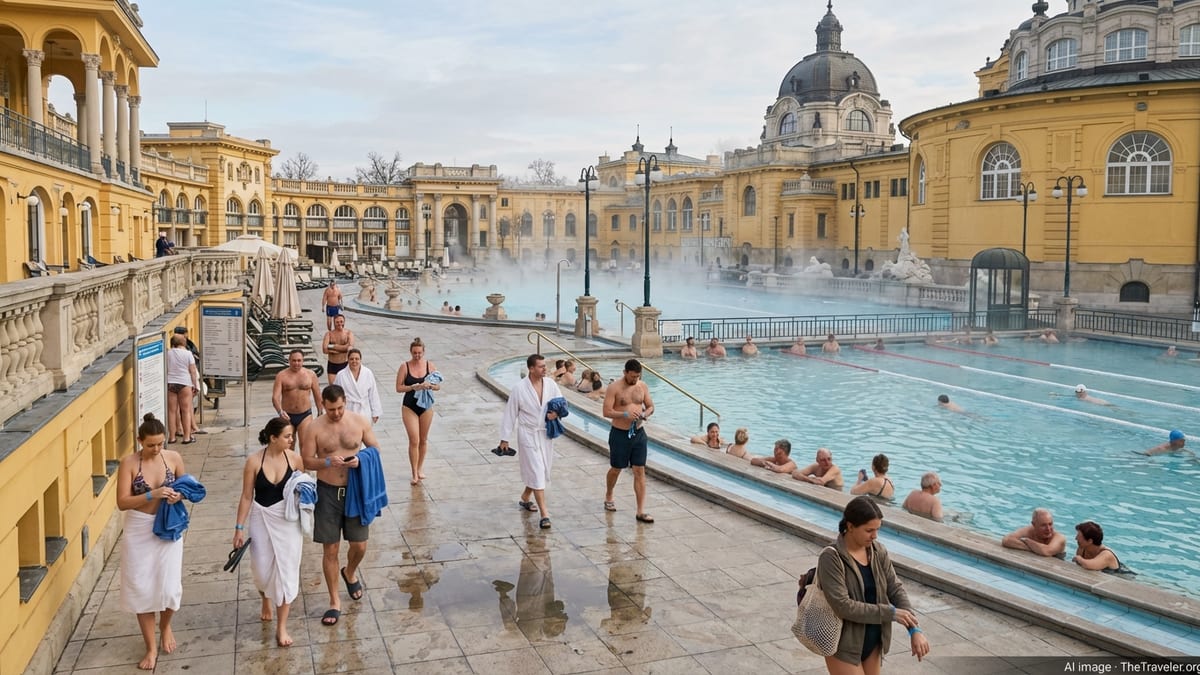
Széchenyi Thermal Baths sits inside Budapest’s City Park and is one of Europe’s largest bath complexes, with more than 20 indoor and outdoor pools, plus saunas, steam rooms, and wellness services. The complex operates as a public spa rather than a hotel facility, which means nearly everything revolves around your entry ticket and the type of changing and storage access you choose. Each ticket effectively grants you a full-day spa pass, not a timed slot, and you are free to move between outdoor pools, indoor thermal rooms, and saunas according to posted rules during opening hours.
Most visitors encounter Széchenyi ticketing in two ways: paying directly at the cashier when they arrive, or booking some form of online ticket in advance. Both routes lead to the same system inside the baths. After your ticket is validated, you receive a waterproof silicon wristband that acts as both your electronic ticket and your key to a specific locker or changing cabin. Once inside, staff rarely check your ticket again, so the main differences between ticket types are price, waiting time at the entrance, and whether storage or extras are bundled in.
Prices have risen significantly in recent years, and there are now distinct weekday, weekend, and special holiday rates. On top of this, third-party resellers and curated experiences offer their own skip the line, tasting, or spa packages, which can blur what the “real” price of Széchenyi should be. To cut through the noise, it is helpful first to understand the basic categories of tickets the baths recognize and what each one actually buys you once you walk through the yellow entrance arches.
Standard Cashier Tickets: Locker vs Cabin
The most traditional way to visit Széchenyi Baths is to turn up and buy a standard ticket at the on-site cashiers. In 2026, regular full-day tickets purchased at the baths are differentiated primarily by whether you choose a locker or a private cabin. A standard locker ticket with full-day access is typically around 13,200 Hungarian forints on weekdays and 14,800 forints on weekends. A standard ticket with a cabin costs roughly 14,200 forints on weekdays and 15,800 forints on weekends. These base prices can be subject to festive surcharges around Christmas, New Year, and certain holidays, but they represent the core on-site rates most independent travelers will face.
Both locker and cabin tickets give you access to the same pools, saunas, and steam rooms. The difference lies in how and where you change and store your belongings. A locker ticket grants you a small, secure locker usually located in the gender-separated changing halls. You change in communal areas and use the locker just for storage. A cabin ticket allocates you a small private cubicle that works like a miniature changing room with a door you can lock. This offers extra privacy for changing and can function as your “base” inside the baths during the day.
At the ticket windows, staff will ask whether you prefer a locker or a cabin. It is important to decide before paying, as your wristband is coded accordingly and you cannot freely switch later without additional fees. Families or couples often find one shared cabin convenient, while solo travelers who are comfortable changing in communal areas can save money by choosing a locker ticket instead. On busy weekends, there can occasionally be more demand for cabins than the baths can immediately provide, so being flexible and prepared to accept a locker can speed up entry.
Paying at the cashier is generally cheaper than buying a third-party skip the line pass, but you should expect queues, particularly between late morning and mid-afternoon and during peak travel months. Card payments in forints are widely accepted, although it is wise to carry a payment backup and not rely on paying in cash euros. If you have a Budapest Card, you can apply the current 20 percent discount to the full-price ticket with cabin rental at the counter, which can make on-site purchase even better value.
QR Code Expedited Tickets and Online Booking
To deal with long lines and growing visitor numbers, Széchenyi and partner platforms now offer QR code enabled expedited tickets. These are full-day tickets, usually sold in euros, that you book online in advance. Current indicative prices for 2026 show expedited tickets with a cabin starting around 47 euros on weekdays and 50 euros on weekends, while expedited locker tickets are around 44 euros on weekdays and 48 euros on weekends. Although slightly more expensive than paying at the cashier in forints, these tickets include priority entry and the reassurance of a secured spot.
With these online tickets, you receive a confirmation email and then a separate email containing your QR code. On arrival, you enter through a designated gate, scan your QR code at the self-service machine, and are directed toward the locker or cabin area linked to your ticket. The process cuts down significantly on waiting and language issues at the counters, especially helpful during high season, when guests report queues of 45 to 60 minutes at peak times. Once your QR code is scanned and converted into a wristband, you enjoy the same facilities as any other full-day guest.
These expedited tickets are particularly useful if you are visiting on a tight schedule, arriving in the late morning or early afternoon, or traveling in winter when standing outside in sub-zero temperatures is uncomfortable. However, there are a few conditions to watch. Most QR code tickets instruct you to check in between approximately 9 am and 5.30 pm. They are typically valid for entry until around 6 pm, although once inside you may stay until normal closing time. If you plan to arrive later in the evening, on-site purchase at the cashier may be your only option, so always read the product description carefully when booking.
While some online sellers market additional inclusions, the essential features of QR code expedited tickets are the same: full-day access to all pools and spa areas that are open to the public that day, with either a locker or a private cabin included, and faster check-in. Optional extras such as massages are usually not part of the basic ticket price and must be booked and paid for separately, either online through specialized providers or directly with the baths, depending on current policies.
Skip the Line, Wellness Bundles and Party Tickets
Beyond standard and expedited entry, a growing number of companies sell skip the line tickets and bundled experiences for Széchenyi. These products usually sit in the 34 to 45 euro range for basic skip the line access, with premium packages, tasting sessions, or wellness add-ons costing more. In practical terms, skip the line and QR code expedited tickets are similar: you bypass the regular cashier queue, gain full-day access to the baths, and receive a locker or cabin as stated. The surcharge over walk-up prices can be around 8 to 12 euros per person, essentially a convenience fee for saving time and stress during busy hours.
Some curated passes pair Széchenyi with extra experiences. One popular combination is a full-day bath ticket that includes a pálinka or other local drink tasting, often held in a nearby venue or Palm House-style lounge. Others may bundle a sightseeing cruise on the Danube or guided city tours with your thermal bath entry. While these are not strictly official Széchenyi products, they can represent good value if you were already planning to do both activities and prefer a pre-packaged itinerary.
Another special ticket category is the Széchenyi spa party ticket. On many Saturday nights, especially in the warmer months, a separate event transforms part of the baths into a music and light-filled pool party. Party tickets are valid only for the evening event, usually from about 9.30 pm to 2 am, and can start from around 59 euros or equivalent. They are sold online and are distinct from standard daytime entry. A normal daytime ticket does not automatically grant admission to the night party, and party tickets do not usually include daytime spa access, so you should budget for them separately if interested.
When choosing among these premium options, focus on what matters most for your visit. If your main goal is simply to soak in the thermal pools and you can arrive early in the morning, a regular ticket may be all you need. If you have little time, dislike queuing, or are visiting on a weekend in July or August, paying extra for skip the line or QR code entry can be worthwhile. For nightlife enthusiasts, the party ticket is an experience in its own right, but it is not a substitute for a relaxed daytime spa session, so consider scheduling both if your budget allows.
What Your Ticket Includes (and What It Does Not)
Regardless of which of the main ticket formats you choose, the core inclusion of a Széchenyi Baths ticket is the same. You receive full-day access to all public pools in operation that day, including the three signature outdoor pools and a broad range of indoor thermal pools at different temperatures. You also gain access to the complex’s sauna and steam rooms, relaxation areas, and standard shower facilities. With a locker ticket you have one locker for personal use, while a cabin ticket guarantees one private changing cabin. You can exit the pools to rest, have refreshments, or sit in the courtyard and then return to the water at will during opening hours.
Tickets do not typically include towels, sandals, swim caps, or bathrobes. These can be rented or purchased on-site at extra cost, but prices are higher than bringing your own. Recent estimates suggest towel rentals around 3,500 forints, bathrobe rentals about 7,000 forints, swim cap rentals around 1,200 forints, and basic slippers for purchase starting from about 2,500 forints. A deposit system may apply to some rentals, so it is always easier and cheaper to arrive with your own gear if luggage space allows.
Massage and wellness services are another extra. A range of treatments, from short 20-minute massages to longer VIP sessions, is available. Sample prices include around 11,800 forints for a 20-minute treatment and 19,000 forints or more for a longer premium massage. Critically, these prices are for the massage only and do not include bath entry. If you book a massage, you must also hold a valid spa ticket for that day, which effectively makes a massage an add-on rather than a standalone product.
Food and drinks on-site are also not part of the ticket. Széchenyi hosts cafeterias and bars where you can buy water, soft drinks, coffee, snacks, and hot food such as the popular fried dough dish known as lángos. Card payment is widely accepted, but it is sensible to have some local currency as a backup. Finally, your ticket does not cover the rental of extra storage boxes, photography services, or any medical consultations. If you have specific medical or mobility needs, contact the baths in advance or check current information to verify what support and accessible facilities are available before you book.
Special Options, Discounts, and Time-Sensitive Tickets
While Széchenyi is not known for extensive discounting, there are a few notable ways to adjust the cost of entry. One of the most attractive, if you are an early riser, is the so-called good morning or early bird ticket. This product allows entry only before a certain cut-off time, usually around 9 am, at a lower price than standard daytime admission. Recent figures for an early entrance ticket have hovered around 9,900 forints, a meaningful saving compared with regular locker tickets. However, this ticket is tied to early entry; if you miss the arrival window, you may need to pay extra or forfeit the discount.
The Budapest Card, a city sightseeing and transport pass, also offers benefits at Széchenyi. Holders of valid Budapest Cards receive a 20 percent discount off the full-price ticket with cabin rental at the baths. The card itself is available in several durations, from 24 hours to 120 hours, and includes free or discounted entry to many other attractions, free public transportation, and a complimentary visit to another thermal bath. Whether it is worth buying the card largely depends on how many sights you intend to visit. For some visitors, the Széchenyi discount is the final factor that tips the calculation in favor of the card.
Seasonal pricing is another consideration. Around Christmas, New Year, and certain high-demand dates, Széchenyi applies festive or next-year surcharges to standard tickets. These may push both cashier and QR code ticket prices above their usual weekday or weekend levels. Spa parties may also operate on special pricing during holidays. If your visit falls close to late December or early January, check for announcements about holiday tariffs and consider booking early to lock in availability.
It is worth noting that many international travelers ask about student or senior discounts at Széchenyi. As of the latest updates, there is no broadly advertised discount for foreign students or seniors comparable to the Budapest Card savings. Local Hungarian pensioners and certain categories of residents may benefit from special rates, but tourists should plan their budgets based on the standard price list. Always verify the current conditions upon arrival, as posted boards at the entrance reflect the latest official prices and can clarify whether any temporary promotions or changes are in effect.
Buying Tickets: Online vs On-Site and Practical Timing Tips
Choosing whether to buy Széchenyi tickets online or at the door comes down to your budget, schedule, and tolerance for uncertainty. Purchasing at the cashier in forints is usually the cheapest, especially if you opt for a locker and visit on a weekday. However, you are exposed to the full length of the entry queue and any temporary closures or capacity controls that may be in place. Turning up at 11 am on a sunny Saturday in July, for example, can mean a long wait and crowded pools as day-trippers, group tours, and stag parties arrive.
Online tickets, whether QR code expedited or skip the line, effectively trade a higher per-person price for peace of mind. If you lock in a morning entry slot, you can plan the rest of your day around the baths more confidently. Digital tickets also reduce the risk of miscommunication at the cashier and allow you to pay in your home currency or euros, depending on the platform, although exchange rate margins can slightly inflate the final cost. Many travelers find the extra expense worthwhile if their time in Budapest is limited and they want to avoid logistical hassles.
From a timing perspective, the calmest experiences at Széchenyi tend to be early in the morning right after opening and later in the evening. Early entry tickets leverage this by rewarding those who arrive before the crowds. Late evening visits, while not formally discounted in the same way, often deliver a more atmospheric, less crowded soak, particularly under winter steam and city lights. The busiest block of the day is typically from late morning until mid-afternoon, when coach groups and casual visitors converge. If you must visit in this window, strong consideration of skip the line or QR tickets is advisable.
Before you finalize your purchase, double-check a few key points: opening hours on your chosen date, any maintenance closures of indoor sections or pools, whether children under 14 are allowed in the pools you intend to use, and the latest rules on mixed-gender changing or swimwear. Széchenyi is a historic facility that undergoes regular maintenance and occasional refurbishments, so the exact set of pools and saunas available can vary. Keeping an eye on recent updates helps avoid surprises when you put on your wristband and start exploring.
The Takeaway
Széchenyi Baths remains a highlight of any trip to Budapest, but the growing range of ticket types means a small amount of planning can significantly improve your visit. At its simplest, every ticket, whether bought on-site or online, gives you a full day in one of Europe’s most memorable thermal complexes. The main choice you face is not whether you will enjoy the water, but how you balance price, privacy, and convenience: locker versus cabin, cashier queue versus QR code entry, basic access versus curated wellness or party experiences.
If you are value focused and flexible with your time, a weekday locker ticket bought at the baths, perhaps combined with an early entry option, is likely your best bet. If you are visiting on a busy weekend, during a city break with a tight schedule, or in peak season, paying extra for skip the line or QR code tickets can save you an hour in the queue and give you more time to soak. Those interested in nightlife should treat the spa party ticket as a separate experience, enjoyable but distinct from a leisurely daytime visit.
Whatever you choose, arrive with the right expectations: your own towel and sandals if possible, a basic understanding of Hungarian forints and approximate prices, and a willingness to follow local spa etiquette. With that preparation and the ticket that fits your travel style, Széchenyi’s steaming courtyards and ornate indoor halls will feel less like a logistical puzzle and more like what they are meant to be: a long, warm, restorative pause in the heart of Budapest.
FAQ
Q1. What is the difference between a locker ticket and a cabin ticket at Széchenyi Baths?
The main difference is how you change and store your belongings. A locker ticket gives you access to a small locker in the communal changing area, while a cabin ticket includes a private changing cubicle that you can lock and use as your personal base during the day. Both ticket types provide the same access to pools, saunas, and steam rooms.
Q2. Is it cheaper to buy Széchenyi Baths tickets online or at the cashier?
On most dates, buying at the cashier in Hungarian forints is cheaper than booking skip the line or QR code tickets online. However, online tickets add value by shortening queues and guaranteeing entry time, especially on weekends and during high season. You pay more for convenience and time savings rather than extra facilities.
Q3. What does a standard Széchenyi ticket include?
A standard full-day ticket includes entry to all open indoor and outdoor pools, access to saunas and steam rooms, and the use of either a locker or a private cabin, depending on the ticket you buy. It does not include towels, bathrobes, sandals, swim caps, massages, or food and drinks, all of which are charged separately.
Q4. Are there discounts available for Széchenyi Baths?
The most notable discount for visitors is the 20 percent reduction on full-price cabin tickets for holders of the Budapest Card. Occasional early morning “good morning” tickets are also cheaper but require entry before a set time, usually around 9 am. There are no widely advertised, permanent student or international senior discounts, so most travelers pay the standard rates.
Q5. Do I need to book Széchenyi tickets in advance?
Advance booking is strongly recommended during weekends, public holidays, and peak travel seasons such as summer and Christmas. While you can still buy tickets at the door, queues can be long and capacity may be limited at busy times. Booking an online QR code or skip the line ticket secures your entry window and reduces waiting.
Q6. Can I visit the Széchenyi spa party with a regular daytime ticket?
No. The nighttime spa parties at Széchenyi are separate events with their own tickets, typically running from about 9.30 pm to 2 am on selected nights. A daytime spa ticket does not grant access to these parties, and party tickets usually do not include daytime spa use. If you want both experiences, you will need to buy each ticket separately.
Q7. Are towels and swimwear provided with any ticket?
Generally, no. Towels, swimwear, bathrobes, and slippers are not included with standard tickets and must either be brought from home or rented and purchased on-site for an additional fee. Rental prices can be relatively high, so most budget-conscious visitors prefer to bring their own gear whenever possible.
Q8. What is a QR code expedited ticket and how does it work?
A QR code expedited ticket is an online ticket that includes a scannable QR code for fast-track entry. After booking, you receive the code by email. On arrival, you scan it at the dedicated entry gate, receive your wristband, and proceed directly to the changing area linked to your locker or cabin. This system is designed to reduce check-in time compared with standing in the cashier line.
Q9. Is Széchenyi suitable for children and families?
Széchenyi is primarily an adult-oriented medicinal and wellness spa, and most pools are officially for guests over a certain age, commonly 14 years. Families with younger children are often directed to alternative pools or water parks in Budapest that are better equipped for kids. If you plan to visit with children, check the latest rules and consider family-friendly facilities elsewhere in the city.
Q10. How long should I plan to stay at Széchenyi Baths?
Most visitors spend between two and four hours at Széchenyi, rotating between pools, saunas, and rest areas. However, your ticket is valid for a full day, so you can stay longer if you wish. Allow extra time if you book a massage or if you are visiting during peak season, when moving between crowded pools and facilities can take longer than expected.