

More news on this day
Taiwan is stepping up its presence in Southeast Asia with a fresh “Taiwan 100 Ways” tourism drive that invites travelers from Bangkok to match their own travel style to a hundred different routes, from neon-bright night markets and lantern-lit old streets to remote mountain hot springs and coastal slow-travel escapes.
Get the latest news straight to your inbox!
From Bangkok Launchpad to Taiwan’s “100 Ways” of Travel
Publicly available information shows that the Taiwan Tourism Administration has chosen Bangkok as one of the first major stages for its 2026 “Taiwan 100 Ways” campaign, building on the broader “Taiwan: Waves of Wonder” branding. Recent coverage of the Taiwan Day 2026 event at Dusit Central Park in the Thai capital describes a full-year marketing push tailored to Thai travelers, with themed experiences and prize draws designed to convert curiosity into bookings.
The concept behind Taiwan 100 Ways is straightforward: rather than promoting a single, fixed itinerary, the campaign frames Taiwan as a place where visitors can “find your wave, discover your way.” Organizers have grouped suggested trips into several travel styles that reflect Thai preferences, including food-focused city breaks, nature escapes, lifestyle-oriented shopping and café-hopping, and family-friendly theme routes. The approach mirrors a broader regional trend toward modular, interest-based itineraries instead of traditional one-size-fits-all tours.
Reports indicate that the Bangkok event is also closely tied to airline and platform partnerships. Information released in Thailand highlights joint promotions with major Taiwanese carriers and online travel platforms, backed by a year-long lucky-draw campaign offering tickets and travel perks. For travelers starting in Bangkok, that means more packaged deals and seasonal promotions that bundle flights with curated routes based on the 100 Ways themes.
The campaign arrives at a moment when Taiwan is competing aggressively for Southeast Asian visitors. According to recent tourism updates, the island has been targeting a return to, and expansion beyond, pre-pandemic arrival numbers by pairing high-profile global branding with focused local activations such as the Bangkok showcase, French trade events, and North American city campaigns.
Hidden Streets, Night Markets and “Micro-Curations” of City Life
The “100 Ways” framework builds on Taiwan’s ongoing work to spotlight lesser-known neighborhoods alongside marquee city sights. Official tourism materials describe “micro-curations” that break major hubs such as Taipei, Taichung and Kaohsiung into bite-sized themed walks, each highlighting a cluster of alleyway cafés, independent boutiques, traditional temples or street-food alleys a few blocks away from the main visitor corridors.
In Taipei, this may mean pairing big-ticket stops like Taipei 101 and Ximending with slower explorations of older quarters, where Japanese-era shophouses, heritage teahouses and incense-filled community temples sit behind busy avenues. Coverage of these initiatives notes that the goal is to spread visitor traffic into surrounding districts while giving travelers more chances to interact with everyday city life, whether over a bowl of beef noodle soup at a market stall or at a tiny dessert shop that rarely appears in older guidebooks.
Similar ideas are being tested in central and southern Taiwan. Taichung’s creative parks and warehouse districts, Tainan’s maze of shrines and snack streets, and Kaohsiung’s harborfront neighborhoods are all being packaged into short, themed routes. For Bangkok-based visitors used to sprawling megacities, these “micro-curations” promise city breaks that feel dense with culture but are still manageable over a long weekend.
The urban component of Taiwan 100 Ways is also being supported by digital tools. Public information on recent campaigns highlights mobile-friendly maps, social media content from Thai influencers, and multilingual wayfinding at key city sites, all aimed at making self-guided exploration easier for first-time visitors arriving from Bangkok and other Southeast Asian hubs.
Scenic Escapes: Mountains, Hot Springs and Eastern Seaboard Routes
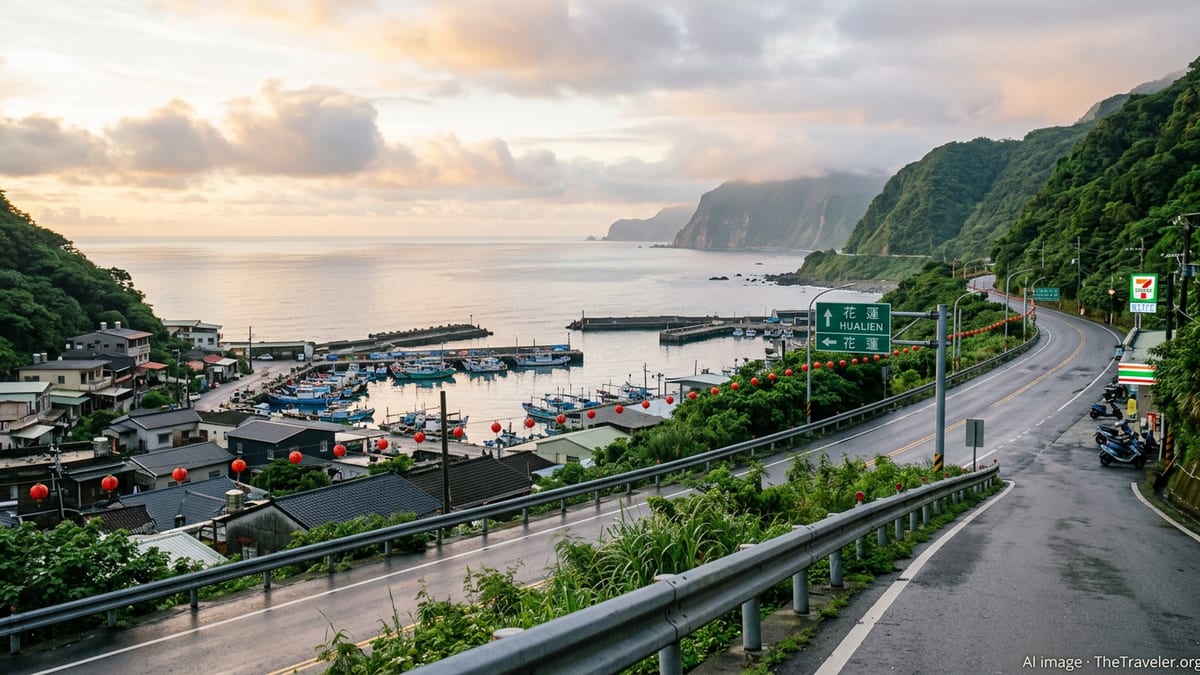
Beyond the cities, Taiwan 100 Ways is drawing new attention to mountain and coastal escapes, especially along the island’s lesser-known east coast. Government tourism reports in recent months have emphasized special lodging and transport offers in Hualien and Taitung, two counties framed as gateways to dramatic Pacific scenery, cycling routes and indigenous cultural experiences.
The east-coast push includes rail-linked itineraries that thread through fishing villages, surfing beaches and rice-field valleys, inviting visitors to trade urban crowds for a slower pace of travel. For travelers flying in from Bangkok’s dense urban core, the contrast is part of the appeal: cliffside viewpoints over the Pacific, narrow gorges, and quiet hot-spring towns reachable within a day’s journey from Taipei or Kaohsiung.
In the central highlands, Taiwan 100 Ways draws from an existing network of hiking routes, alpine farms and forest parks, many of which feature in the Tourism Administration’s broader “spotlight” programs. Information from the agency’s annual reports describes coordinated efforts with local governments to elevate about one hundred standout attractions nationwide, from tea-growing slopes and suspension bridges to hillside villages accessible by bus or shuttle from major stations.
These scenic routes are being promoted not only for their landscapes but also for sustainability messaging. Recent campaign materials reference off-peak travel, public transport options and local homestays as ways to disperse visitors and support smaller communities. For travelers choosing between regional beach destinations, this positioning aims to distinguish Taiwan as an island where dramatic scenery is linked to villages, markets and everyday rural life rather than only resort enclaves.
Cultural Adventures: From Temples and Festivals to Museums and Markets
Another pillar of Taiwan 100 Ways is cultural immersion. Published coverage of Taiwan tourism initiatives frequently emphasizes living traditions, from temple processions and seasonal lantern festivals to aboriginal music events, night markets and museum collections. Instead of presenting these experiences as isolated attractions, the campaign weaves them into themed routes that might combine an evening food crawl with a neighborhood temple visit and a contemporary art stop.
Taipei’s major museums, including national-level institutions and specialized galleries, are increasingly integrated into these itineraries, supported by digital tools that help visitors plan half-day routes around particular interests such as indigenous heritage or modern design. Unofficial guides and travel features circulating in Southeast Asia highlight similar opportunities in Taichung and Tainan, where historical streets, small museums and traditional crafts workshops are clustered within walking distance.
For Thai travelers in particular, organizers have leaned into cross-cultural resonance. Reporting from Bangkok’s Taiwan Day events notes interactive games and showcases that link Taiwanese street food, pop culture and music with familiar Southeast Asian tastes and trends. This is reflected in recommended itineraries that send visitors to bustling markets for scallion pancakes and bubble tea, then onward to performance venues, riverside parks or community-run cultural centers.
These cultural routes are intended to be flexible rather than prescriptive. Travelers can pick a single neighborhood festival or night market for a short stopover, or stack multiple experiences into multi-day trips that loop through several cities. In line with global tourism trends, the emphasis is on participation and atmosphere, whether that means lining up for a famous snack stall or quietly watching locals offer incense at dawn.
Travel Incentives, Practical Perks and What It Means for Visitors
Alongside the inspirational storytelling, Taiwan’s current tourism strategy includes concrete incentives that complement the 100 Ways messaging. According to recent program information, international travelers arriving independently can still access limited-time giveaway schemes, such as gift vouchers or travel credits tied to Taiwan’s ongoing welcome campaigns, when eligibility windows are open. These initiatives are promoted as a way to offset on-the-ground expenses for meals, transport or shopping.
Other efforts focus on connectivity and ease of movement once travelers land. Publicly available materials from the Taiwan Tourism Administration and partner transport agencies emphasize the expansion of high-speed rail, regional trains and bus connections that link major gateways to smaller towns and natural attractions. For travelers flying from Bangkok, the promise is that a late-morning arrival in Taipei or Taoyuan can still translate into a same-day check-in at a mountainside guesthouse or coastal inn.
Information from recent international roadshows also points to coordinated work with airlines and online booking platforms to package these experiences. Discounted fares, stopover options, and bundled hotel offers tied to Taiwan 100 Ways themes are being used to nudge visitors to explore beyond classic first-timer circuits. For many travelers, this may mean adding an extra night in an eastern county or substituting one big city for a smaller historic town.
Taken together, the Thailand-focused activities, themed itineraries, scenic promotions and practical perks position Taiwan 100 Ways as both a marketing slogan and a flexible planning toolkit. For visitors starting in Bangkok, the route to hidden alleys, cliffside lookouts and festival-lit temple courtyards increasingly begins not with a rigid group tour, but with a menu of travel “ways” that can be mixed, matched and reimagined across the island.