

More news on this day
Taiwan’s tourism planners are increasingly looking beyond British Columbia’s Pacific gateway and toward the Canadian Rockies, as new transpacific routes, stopover perks and destination campaigns for 2026 position the island as an appealing long-haul base for Alberta’s growing community of adventure travelers.
Get the latest news straight to your inbox!
New Transpacific Capacity Reshapes Taiwan’s North American Network
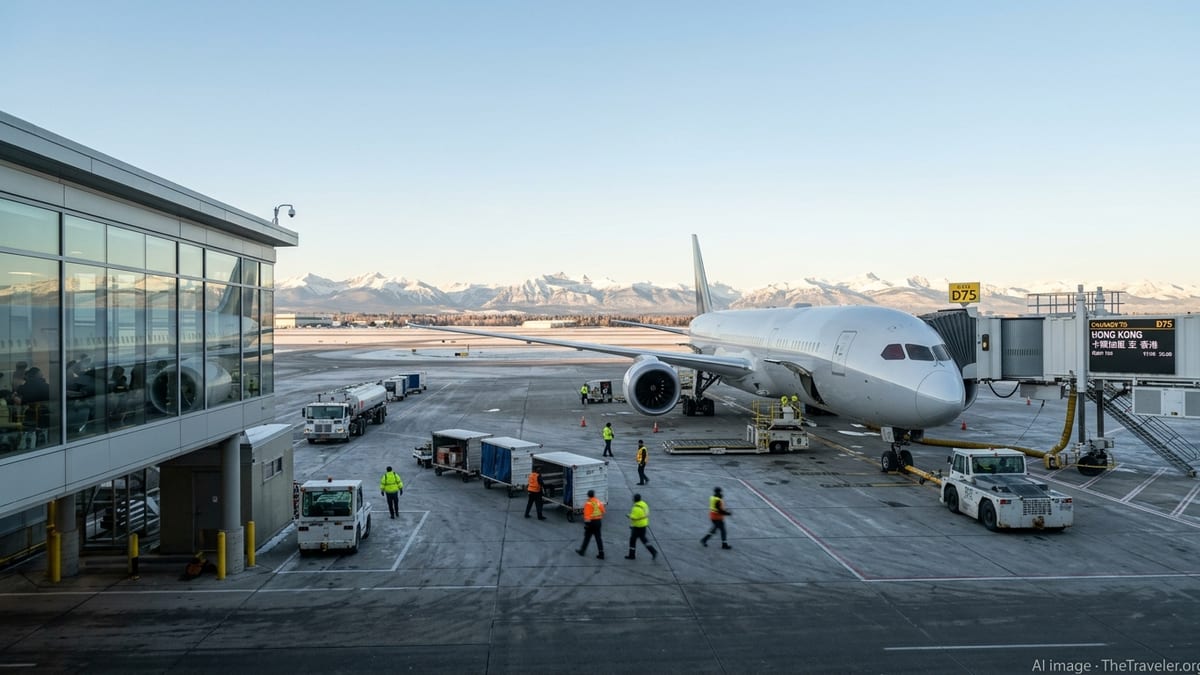
Taiwan’s aviation expansion through 2025 and 2026 is centered on a broader North American network rather than single-point links, setting the stage for more convenient access from Alberta via western Canadian hubs. Publicly available schedules show EVA Air and China Airlines continuing to operate non-stop services between Taipei Taoyuan and Vancouver, providing the primary transpacific bridge for travelers originating in Calgary and Edmonton.
Industry data compiled by Flightroutes and FlightsFrom indicates that, for now, Taiwan Taoyuan to Calgary remains a one-stop market, with routings typically connecting through Vancouver, Seattle, Tokyo or other Asian and Pacific hubs. At the same time, carriers from Taiwan are adding new nonstop services to cities such as Dallas, Phoenix and Washington Dulles between late 2025 and mid 2026, strengthening the island’s position as an Asia gateway for North American travelers.
According to recent updates summarized by the U.S. International Trade Administration and Taiwanese media, EVA Air is preparing to open a direct Taipei to Dallas route in October 2025, while China Airlines and Starlux Airlines plan new nonstop services to Phoenix around late 2025 and early 2026. EVA Air has also announced its first Taipei to Washington Dulles link starting June 27, 2026, adding further long-haul capacity that could be combined with domestic Canadian connections.
For Alberta-based passengers, this network build-out means a wider range of one-stop combinations, either through western Canada or via the United States, when planning long-haul trips that combine Taiwan with secondary Asian adventure destinations.
Taiwan Tourism Campaigns Reach Deeper Into Western Canada
Taiwan’s tourism authorities have been moving aggressively to court Canadian visitors ahead of the 2025–2026 travel seasons, using western Canada as a key staging ground. Reports from Taiwan News and trade platforms describe a series of high-visibility promotions on Vancouver’s SkyTrain Canada Line in early 2026, wrapping airport trains with imagery of Taiwan’s mountains, indigenous cultures and coastal scenery.
Trade coverage on PAX News and other Canadian outlets indicates that tourism roadshows and advisor events in cities such as Vancouver and Toronto have placed special emphasis on outdoor-oriented itineraries. Presentations have highlighted multi-day hikes in Taiwan’s central ranges, cycling along the east coast and surf-oriented trips in southern beach districts, signaling a deliberate appeal to adventure travelers who are already familiar with the Rockies and looking for new, long-haul challenges.
These campaigns are timed to coincide with upcoming flagship events, including the 2026 Taiwan Lantern Festival in Chiayi County, positioned in Canadian trade materials as a centerpiece around which longer nature and culture itineraries can be built. The messaging targets independent and small-group travelers, a profile that closely matches Alberta’s active, road-trip oriented market.
By anchoring much of its Canadian outreach in western gateways and adventure-forward branding, Taiwan is effectively using British Columbia as a front door while signaling to Alberta residents that the island can be the next step beyond familiar mountain landscapes.
Stopover Incentives and Layover Perks Appeal to Long-Haul Planners
Alongside new routes, a series of stopover incentives is emerging as a critical tool in attracting Canadians who are already planning transpacific journeys. Coverage in the Taipei Times details how Air Canada has promoted free stopovers on certain North America itineraries, while Taiwan Tourism Administration programs have been offering layover vouchers at Taipei Taoyuan for passengers transiting onward to other destinations.
Travel forums and promotional releases circulated in late 2025 point to a layover initiative that provides limited-value gift vouchers to eligible travelers connecting through Taoyuan on journeys continuing elsewhere in Asia. The campaign is currently scheduled to run until late 2026, creating a multi-year window in which Alberta-based flyers can turn a routine transfer into a brief taste of Taiwan’s night markets or nearby hiking trails.
For adventure travelers, these incentives reduce the perceived risk of adding an extra stop on the way to climbing trips in Japan, diving holidays in Southeast Asia or cultural circuits in other parts of the region. A one or two night stay in Taiwan can be framed as a recovery break between long-haul segments, with easy access to hot springs, urban food exploration and short mountain walks accessible from Taipei by rail or car.
Industry analysts note that stopover programs have become particularly relevant as airlines recalibrate North American networks ahead of the 2026 FIFA World Cup co-hosted by the United States, Canada and Mexico. For Alberta’s frequent travelers, Taiwan’s layover perks could become a deciding factor when comparing itineraries priced similarly through other Asian hubs.
Adventure Tourism Synergies Between Taiwan and the Canadian Rockies
Market research from government and trade bodies describes Taiwanese outbound travelers as increasingly drawn to independent, high-quality outdoor experiences, with special interest in mountain landscapes and indigenous culture. At the same time, Taiwan’s own tourism messaging in Canada has leaned into its alpine parks, subtropical forests and rugged coasts in ways that echo the appeal of the Canadian Rockies.
This alignment creates a two-way opportunity. For Alberta residents, Taiwan is being positioned as a year-round counterpart to their home mountains, offering high-elevation trekking, canyon hiking and cycling with markedly different cultural and culinary backdrops. For Taiwanese visitors, the Rockies remain a marquee destination, and growing aviation capacity into North America, combined with domestic connections on carriers such as WestJet, makes Calgary and Edmonton logical gateways.
Recent coverage on Taiwan News about exploratory visits to Indigenous territories in Haida Gwaii underscores a broader push to connect Taiwan’s Indigenous communities and tourism operators with counterparts in Canada. While these initiatives are currently centered on coastal British Columbia, they point to a wider interest in cultural exchanges that could eventually extend to Indigenous and First Nations experiences in Alberta’s mountain regions.
Tour operators on both sides of the Pacific are watching these developments closely, as packaged itineraries that link Indigenous cultural programs with multi-day hiking or winter sports in the Rockies could dovetail with Taiwan’s domestic adventure offerings and appeal strongly to the same demographic that is being targeted in Alberta.
Alberta’s Connectivity: From Regional Hubs to Transpacific Gateways
For now, Alberta’s connection to Taiwan is defined less by nonstop links and more by the efficiency of its regional hubs. Calgary International Airport functions as a major western Canadian node, feeding traffic into Vancouver and Seattle where Taiwanese and partner airlines operate their transpacific services. Edmonton plays a supporting role, with regional links that funnel passengers south and west before they cross the Pacific.
Canadian aviation data and airport marketing materials emphasize Calgary’s expanding long-haul portfolio, including new and proposed routes to Europe and the United States that increase options for circular itineraries involving Taiwan. While no carrier has yet announced a direct Taipei to Alberta service for 2026, industry speculation on frequent-flyer forums has occasionally pointed to Calgary as a plausible future candidate, given its role as a domestic hub and its access to high-value leisure travelers.
In the interim, Alberta adventure travelers are likely to continue routing through Vancouver, often combining WestJet or Air Canada domestic legs with EVA Air or China Airlines long-haul flights. As capacity grows, particularly with Taiwanese carriers adding more North American points, travel planners in the province are expected to gain leverage in negotiating group fares, adventure tour allocations and custom stopover packages that foreground Taiwan’s backcountry and coastal experiences.
If current trajectory holds through 2026, Taiwan’s aviation push will not only broaden its North American footprint but also deepen its appeal among Albertans who see long-haul flights as the gateway to their next major climb, ride or trek beyond the Rockies.