

More news on this day
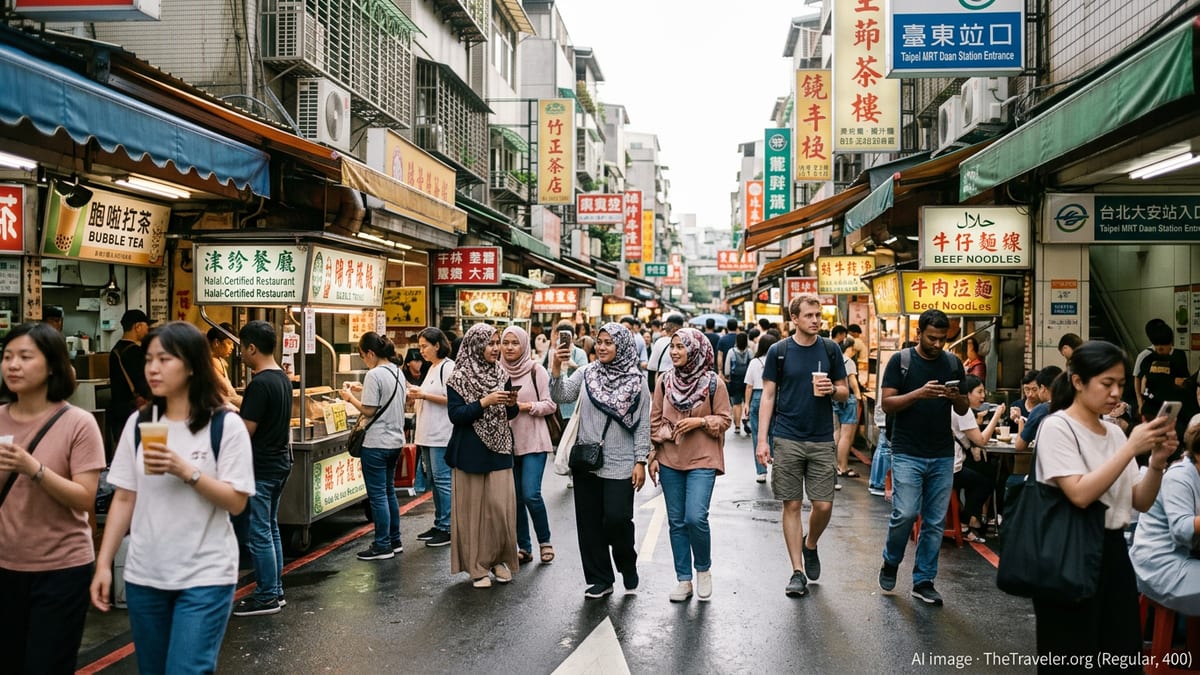
Taiwan is entering 2026 with growing momentum as a regional tourism hub, with new data and recent initiatives pointing to a sharp rise in visitors from Southeast Asia and other Muslim-majority markets, powered by social media exposure, cheaper flights and a deliberate push into halal-friendly tourism.
Get the latest news straight to your inbox!
Southeast Asia Emerges as a Growth Engine
Publicly available figures from Taiwan’s Tourism Administration show that inbound tourism has rebounded strongly since borders reopened, with Southeast Asia recovering faster than many other markets. Before the pandemic, the region was already supplying more than 2 million visitors a year, and by late 2024 arrivals from countries such as the Philippines, Malaysia, Singapore, Thailand and Vietnam had climbed back close to those levels, even as overall visitor numbers remained below the record set in 2019.
Coverage in regional media indicates that the Philippines has become one of the standout Southeast Asian markets, with visitor numbers to Taiwan hitting record levels in 2025 after visa-free entry was temporarily extended for Filipino travelers. Reports also note solid contributions from Malaysia, Thailand and Vietnam, confirming that Taiwan’s New Southbound Policy markets are now central to its inbound recovery strategy.
Analysts point to several structural advantages underpinning this shift. For short-haul travelers from Southeast Asia, Taiwan offers a temperate climate, modern infrastructure and a diverse mix of night markets, hot springs, hiking trails and city culture that can be experienced in long-weekend or five-day trips. As air connectivity and targeted promotions improve, tourism specialists expect Southeast Asia to remain one of the fastest-growing segments of Taiwan’s visitor mix through 2026.
Flight Deals and New Routes Reshape Regional Access
Airline schedules and booking platform data compiled over the past year suggest that low-cost carriers and full-service airlines alike are ramping up connections between Taiwan and Southeast Asia. Additional frequencies on routes linking Taipei and Kaohsiung with Manila, Cebu, Kuala Lumpur, Bangkok and Ho Chi Minh City, together with periodic promotional fares, have pushed headline prices lower on many popular city pairs.
Travel industry reports highlight that fare sales, bundled hotel-and-flight packages and flash discounts promoted via mobile apps are playing a significant role in stimulating demand among younger travelers. Flexible booking options and expanded weekend services are allowing more visitors from Southeast Asia to treat Taiwan as an easy, repeatable getaway rather than a once-in-a-lifetime trip.
At the same time, Taiwan’s push to attract long-haul travelers from North America and Europe is indirectly benefiting Southeast Asian tourism. New and expanded long-haul routes have increased overall seat capacity into Taiwan, and travel agencies are increasingly marketing multi-stop itineraries that combine Taipei with cities such as Bangkok, Kuala Lumpur or Singapore, positioning Taiwan as both a gateway and a standalone destination within broader Asia trips.
Social Media Campaigns Turn Taiwan Into a Viral Destination
Digital campaigns launched in 2024 and 2025 show how Taiwan is increasingly using social platforms to shape its tourism image. Influencer-led initiatives, including dance challenges and creator collaborations promoted with Taiwanese airlines, have generated millions of views and engagement across Instagram, TikTok and regional platforms, particularly in Thailand, Malaysia and the Philippines.
Publicly available information on recent campaigns shows a deliberate emphasis on themes that resonate with younger travelers: street food culture, LGBTQ-friendly nightlife, night markets, hiking and cycling routes, and “hidden gem” city neighborhoods. Short-form videos spotlighting Taipei’s metro convenience, cashless payments and late-night food scene circulate widely on Southeast Asian social feeds, helping to position Taiwan as an accessible and trendy alternative to more established destinations such as Japan and South Korea.
Academic work on tourism and social media has also begun to frame Taiwan’s digital presence as a form of soft power. Studies tracking billions of views and interactions with Taiwanese food and travel content point to the way algorithm-driven feeds can translate cultural curiosity into concrete travel decisions. For tourism officials and private-sector marketers, the implication is clear: sustained investment in creator partnerships and localized content in Thai, Bahasa Indonesia and Vietnamese could further accelerate the 2026 inbound surge.
Halal and Muslim-Friendly Tourism Moves Into Focus
Alongside general marketing campaigns, Taiwan has been investing heavily in Muslim-friendly facilities and certification programs, with a particular focus on travelers from Indonesia, Malaysia, Brunei and Muslim communities in Singapore and the Philippines. Industry rankings place Taiwan among the top non-OIC destinations in the Global Muslim Travel Index, reflecting improvements in halal food access, worship facilities and travel information in multiple languages.
Reports on the sector note that Taipei City has certified dozens of hotels, restaurants and attractions as Muslim-friendly, while other cities are rolling out similar schemes. High-profile events such as Eid celebrations, Ramadan food festivals and cultural exchange programs are promoted in Southeast Asian media, signaling that Muslim visitors are being actively welcomed and catered for.
Travel advisories and Muslim-focused platforms highlight practical gains on the ground: more halal-certified eateries in major transport hubs, clearer signage to prayer rooms at airports and railway stations, and growing availability of qibla indicators and prayer mats in hotels. For many first-time Muslim travelers considering Taiwan in 2026, these details are becoming decisive factors when comparing destinations around the region.
Competition, Capacity and Sustainability Challenges
Despite the positive momentum, Taiwan faces stiff competition from other Asian destinations that are also targeting Southeast Asian and Muslim travelers. Malaysia, Indonesia, Thailand and Japan all offer extensive halal ecosystems, aggressive airline pricing and well-established reputations with regional tourists. Industry analysts warn that Taiwan will need to maintain consistent service quality and expand its halal offerings beyond Taipei and a few major cities to remain competitive.
Capacity constraints also loom as visitor numbers climb. Reports on Taiwan’s tourism infrastructure point to seasonal congestion in popular night market districts, mountain resorts and scenic coastal areas. As more low-cost flights funnel weekend travelers into Taiwan’s main airports, questions around crowd management, environmental impact and community wellbeing are likely to intensify.
Policy documents from Taiwan’s tourism authorities outline a shift towards more sustainable and higher-value tourism, with incentives for regional dispersal, support for eco-friendly transport and promotion of lesser-known destinations outside Taipei. If implemented effectively, these measures could help spread the benefits of the Southeast Asia and halal travel boom more evenly across the island while preserving the natural and cultural assets that are attracting visitors in the first place.