

More news on this day
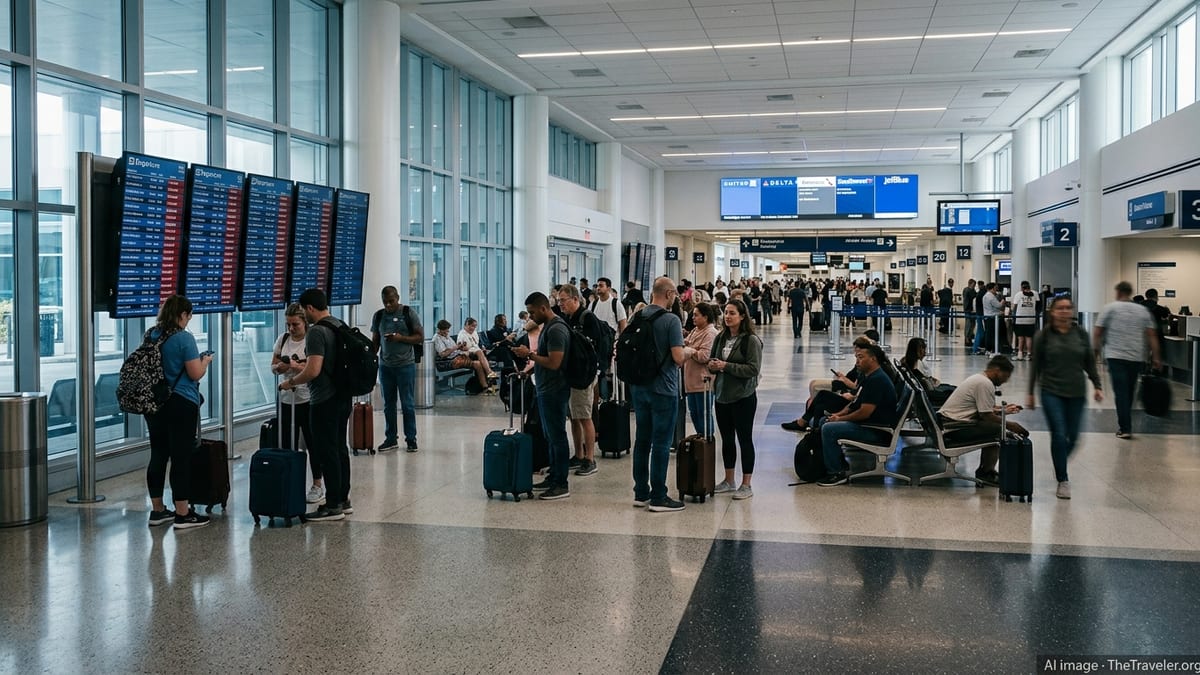
Travelers passing through Tampa International Airport are facing a day of disruption as publicly available tracking data shows 46 flight delays and three cancellations affecting a mix of domestic and international services.
Get the latest news straight to your inbox!
Operational Strains Ripple Into Tampa Schedules
Flight status dashboards tracking Tampa International Airport activity today indicate that 46 flights are running behind schedule, with three services cancelled outright. The disruption touches departures and arrivals across multiple major U.S. carriers as well as several international airlines that serve the Tampa market.
The pattern at Tampa reflects a broader strain across the U.S. aviation system, where airlines are still working through residual schedule imbalances from an active winter weather season and ongoing operational constraints. While the number of cancellations at Tampa is relatively modest compared with national peaks seen during recent severe storms, the elevated level of delays is enough to complicate travel plans for hundreds of passengers.
Industry data from recent months shows that delays have become more common even as airlines have tried to simplify schedules and improve reliability. Tampa, which is often cited by travelers as one of Florida’s more efficient large airports, is not immune when wider network issues cascade through connecting hubs.
Weather and Network Knock-On Effects
Today’s disruptions in Tampa are unfolding against the backdrop of a turbulent late-winter period for North American aviation. Major storms earlier in the season forced thousands of cancellations at large East Coast and Midwest hubs, and published coverage indicates that some carriers are still repositioning aircraft and crews after those events.
Even when skies over Tampa are relatively clear, national air traffic flow programs, convective weather in other regions, and congestion at key hubs can cause aircraft to depart late for Florida or hold on the ground before leaving. When those upstream flights arrive behind schedule, the knock-on effect can ripple through the rest of the day’s rotations, generating additional delays for Tampa-based departures.
International operations at Tampa can also be sensitive to conditions far beyond Florida. Weather disruptions in transatlantic or transborder markets, as well as congestion at connecting gateways in the Northeast, can lead to late arrivals that compress ground times and reduce schedule flexibility. The result for travelers is often longer waits at the gate or on board while aircraft are prepared for their next leg.
Staffing, Air Traffic Management and System Capacity
Alongside weather, structural constraints within the U.S. air traffic system continue to influence flight reliability. Public discussions among aviation professionals and recent analyses highlight persistent staffing challenges at several Federal Aviation Administration facilities, including key regional control centers that handle Florida-bound traffic. When staffing is tight, flow restrictions and mile-in-trail spacing can be used more frequently, slowing the rate at which flights are allowed to depart or arrive.
Airlines have also been navigating their own workforce pressures, from pilot availability to maintenance staffing. While carriers have ramped up hiring in response to strong leisure demand into Florida, it can take months or years to fully train and integrate new personnel. In the meantime, any unexpected absence or technical issue can trigger delays that are difficult to absorb, particularly at peak times.
At Tampa International Airport itself, publicly available planning documents describe a strong focus on efficient gate utilization and ground operations. Nevertheless, when several delayed flights arrive in close succession, constraints such as limited gate availability or ramp congestion can briefly slow the processing of aircraft, adding a few more minutes to already tight turnarounds.
Impact on Airlines and Passenger Experience
The 46 delays and three cancellations recorded today at Tampa are spread across a range of airlines, including large U.S. network carriers, low-cost operators and international brands. For some airlines, delays at Tampa are the local manifestation of wider operational issues affecting their networks, while for others they stem from individual aircraft rotations or connecting flights held for late-arriving passengers.
For travelers, the practical impact can vary significantly. Short delays of 30 to 60 minutes may be inconvenient but manageable, particularly for those ending their journeys in Tampa. Passengers with tight onward connections, however, can face rebooking challenges and longer total travel times if missed connections force overnight stays or rerouting through alternate hubs.
Recent consumer-focused analyses have emphasized that airports in Florida, including Tampa, are increasingly popular with leisure travelers drawn by cruises, beaches and theme parks. On busy days, even a moderate uptick in delayed flights can translate into crowded gate areas, longer lines at concessions and additional pressure on airport services. Still, reports from frequent travelers often note that Tampa’s terminal layout and airside design help spread out crowds and maintain relatively smooth passenger flows, even during difficult operating periods.
Guidance for Travelers Using Tampa Today
Travel experts reviewing current conditions at Tampa advise passengers to build extra time into their plans today, particularly for afternoon and evening departures when early delays can cascade through the schedule. Monitoring airline apps and flight tracking tools closely is recommended, as same-day gate changes and revised departure times remain possible while operations normalize.
Publicly available airline customer service policies highlight that compensation or amenities for disruptions depend on the cause and length of a delay. Travelers affected by the three cancellations or by significant schedule changes may be eligible for meal vouchers, hotel accommodations or no-fee rebooking in certain circumstances, especially when disruptions are linked to factors within an airline’s control rather than severe weather.
For Tampa-bound visitors, the advice is to remain flexible with onward ground transportation, especially for cruise departures or tightly timed vacation itineraries. Reserving shuttles or rental cars with some buffer between scheduled arrival time and onward commitments can reduce stress if flights run late. While today’s disruption levels at Tampa are modest in comparison with the worst national outage days, they serve as another reminder that the broader U.S. aviation system remains finely balanced, and that even a well-regarded airport can experience knock-on effects from storms and staffing pressures far beyond its runways.