

More news on this day
Hundreds of travelers at Tampa International Airport faced major disruptions as 151 delays and 46 cancellations on Southwest, Delta and American Airlines rippled across the network, affecting flights to New York, Chicago, Atlanta, Toronto and several other U.S. cities.
Get the latest news straight to your inbox!
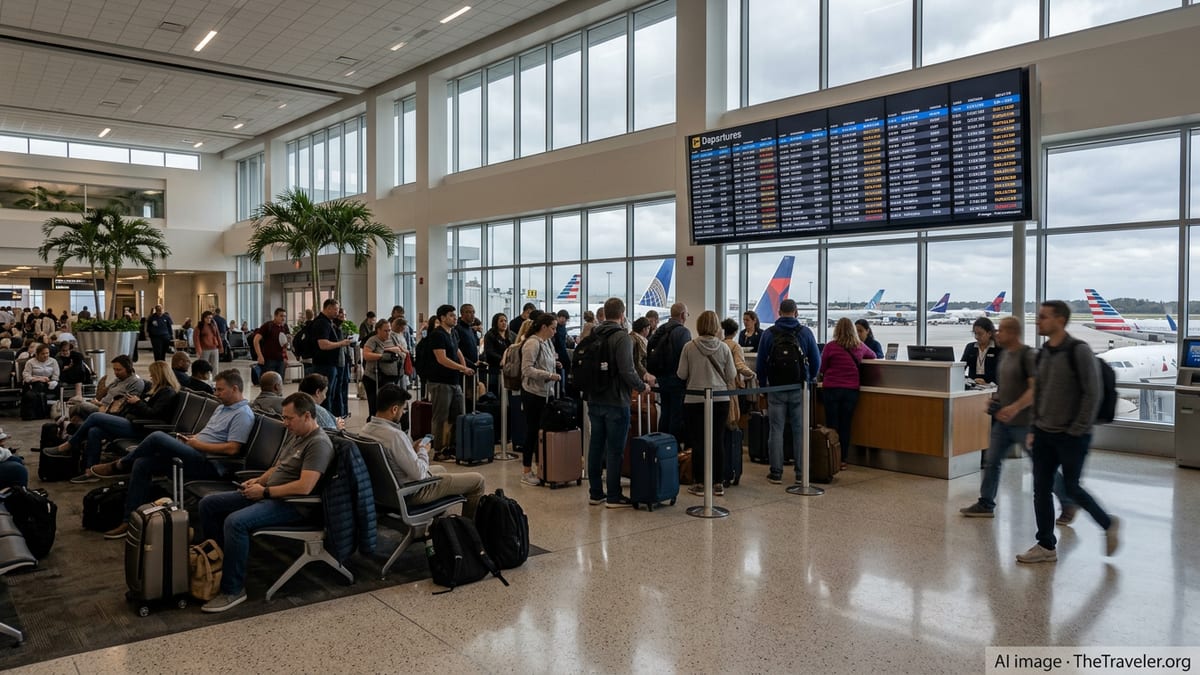
Widespread Disruptions Ripple Out From Tampa
Flight-tracking data and local airport information on Tuesday indicate that Tampa International Airport experienced an intense period of schedule disruption, with Southwest, Delta and American flights showing a combined 151 delays and 46 cancellations over the course of the day. The knock-on effects extended well beyond Florida, disrupting connections and point-to-point routes across the eastern United States and into Canada.
The concentration of delays and cancellations at Tampa came as airlines were already managing broader operational strain across their networks, including weather-related constraints and congestion at major hubs. Publicly available information shows that Tampa departures and arrivals to New York, Chicago, Atlanta and Toronto were among the hardest hit, leaving passengers facing extended waits, missed connections and last‑minute rebooking challenges.
While irregular operations are common during peak travel periods or severe weather, the scale of the disruption at Tampa stood out, particularly given the number of large network carriers involved. The cumulative effect of dozens of delayed and canceled flights at a single airport created a wave of itinerary changes that continued into subsequent rotations.
Key Routes Affected: New York, Chicago, Atlanta and Toronto
Data from flight-status boards and tracking platforms show that flights linking Tampa with major North American cities bore the brunt of the disruption. Services between Tampa and the New York City area, including John F. Kennedy International, LaGuardia and Newark, were repeatedly delayed, contributing to congestion at already busy Northeast airports.
Chicago connections, particularly to Chicago O’Hare, also saw multiple schedule changes. These routes are critical connecting links for both domestic and international itineraries, meaning that a delay leaving Tampa could cascade into missed onward flights to the Midwest, West Coast and overseas destinations.
Atlanta, home to one of the nation’s most important hubs, was another focal point. Delayed departures and cancellations on Tampa–Atlanta services complicated travel for passengers relying on hub connections, with some travelers facing overnight stays or lengthy reroutes. Disruptions on Tampa–Toronto flights added a cross‑border dimension, forcing some Canada‑bound travelers to seek alternative routings through other U.S. gateways.
Southwest, Delta and American Bear the Operational Strain
Southwest, Delta and American, three of the largest carriers at Tampa, collectively shouldered the majority of the disruption. Publicly accessible operational data show that each airline recorded a cluster of delayed departures and arrivals, with some rotations ultimately canceled as schedules fell further behind.
Southwest, which maintains a sizable presence in Florida, has in recent years contended with episodic operational bottlenecks during periods of bad weather and high demand. Delta and American, as major network carriers, are heavily exposed to knock‑on effects when hubs such as Atlanta, New York and Chicago are strained, making it more difficult to recover quickly once earlier flights fall out of their planned slots.
Industry analyses and past federal data on airline performance indicate that multiple factors can contribute to such events, including crew and aircraft availability, turnaround times, air traffic control programs and localized weather. When several of these elements converge on a busy travel day, delays can quickly accumulate and force airlines to proactively cancel flights to stabilize operations.
Passenger Impact: Missed Connections and Lengthy Rebookings
The operational problems at Tampa translated into long and uncertain days for passengers. Social media posts and traveler reports described lines at service desks, repeatedly shifting departure times on airport screens and frustration as originally straightforward itineraries turned into multi‑stop journeys or overnight stays.
For travelers heading to or from New York, Chicago, Atlanta and Toronto, one delayed sector often meant a missed connection at a hub airport, requiring rebooking onto later flights or even different routings through secondary cities. Some passengers opted to switch airlines or alter their plans altogether after facing multiple rolling delays.
Standard industry practice in such situations varies depending on whether disruptions are classified as weather‑related or within an airline’s control. Public information on past cases shows that when delays are attributed to broader air traffic or weather conditions, compensation and hotel coverage can be more limited, increasing the out‑of‑pocket burden for stranded travelers.
Ongoing Recovery and What Travelers Can Expect Next
By late in the day, schedules at Tampa showed signs of gradual stabilization, but residual delays were still evident on some evening departures and inbound flights. Recovery from an irregular‑operations day typically continues into subsequent rotations as airlines reposition aircraft and crews and work through the backlog of displaced passengers.
Aviation analysts often point to the importance of flexibility on both sides of the equation: carriers adjusting schedules and aircraft assignments, and passengers considering alternative routings or travel dates where possible. In events such as the Tampa disruption, some travelers have reported better outcomes by proactively monitoring flight status, using airline mobile apps and, when necessary, requesting reroutes through less congested hubs.
With major carriers continuing to operate dense schedules into and out of Tampa and other Florida gateways, further localized disruptions remain possible during peak periods or adverse weather. For now, the latest episode at Tampa International highlights how quickly conditions at a single airport can reverberate across a much wider network, affecting travelers far beyond the immediate region.