

More news on this day
A new wave of cross-regional tourism cooperation is emerging as Tanzania, Qatar and Oman move to align investment, marketing and infrastructure, seeking to create a halal, cultural and luxury travel corridor that links the Gulf with key African destinations.
Get the latest news straight to your inbox!
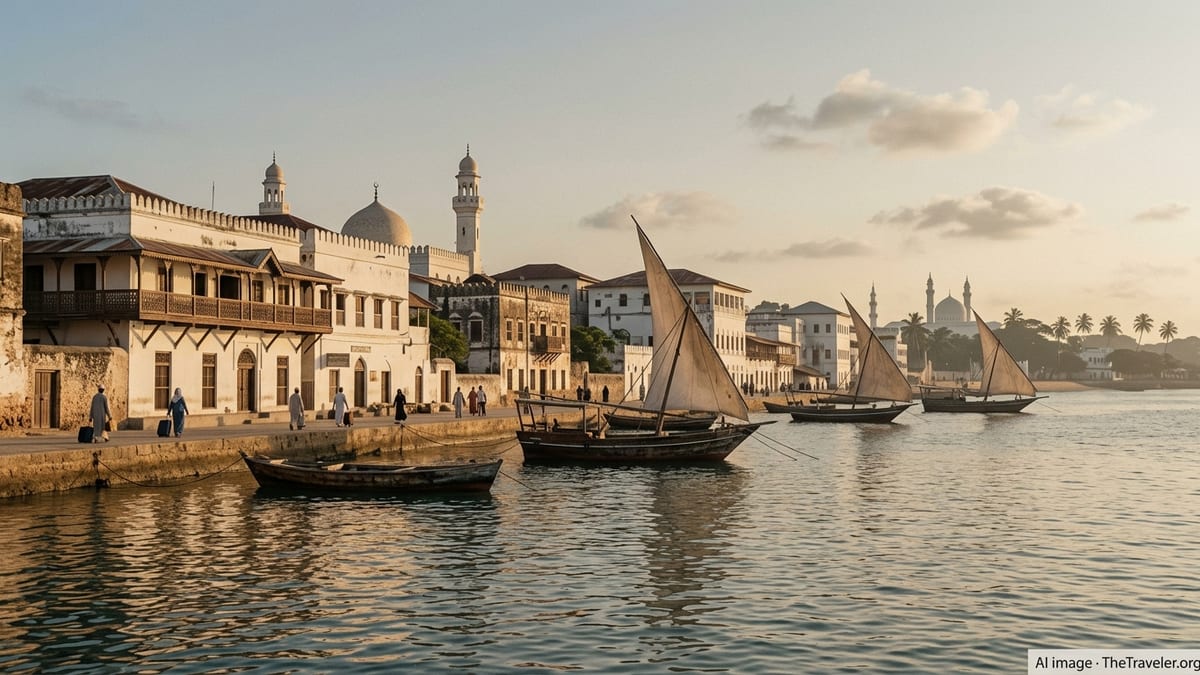
From Trade Routes to Tourism Corridors
Publicly available information shows that tourism bodies and investment agencies in Tanzania, Qatar and Oman are increasingly positioning their destinations as complementary rather than competing offers, drawing on centuries of shared maritime heritage across the Indian Ocean. The emerging framework centers on combining Africa’s wildlife and coastal escapes with the Gulf’s rapidly expanding halal and luxury hospitality sectors, with Zanzibar and mainland Tanzania frequently highlighted as natural partners for twin and multi destination itineraries originating in Doha and Muscat.
Reports indicate that Qatar and Oman formalized a strategic tourism collaboration at World Travel Market London 2025, focusing on joint promotion, multi destination packages and coordinated outreach to long haul markets in Europe and Asia. Officials outlined plans for twin center products that blend Qatar’s urban waterfront skyline and curated cultural experiences with Oman’s forts, wadis and desert landscapes, positioning the two Gulf states as a combined hub for wider regional exploration.
In parallel, Tanzania has stepped up its presence at major Gulf events, including Qatar Travel Mart 2025, where government aligned coverage noted strong interest from investors and tour operators seeking access to safari circuits and beach resorts via Doha’s and Muscat’s fast growing aviation networks. These developments are being interpreted by regional analysts as early steps toward a broader three way partnership, with Gulf capital and marketing muscle intersecting with East Africa’s natural assets and growing tourism infrastructure.
Industry observers suggest that the convergence of these initiatives could crystallize into a defined tourism corridor in the coming years, linking Tanzanian destinations such as Zanzibar, Arusha and the Serengeti with stopovers in Doha and Muscat. The model would mirror existing multi country patterns in Europe and Southeast Asia, but with a sharper focus on halal compliance, cultural immersion and upper tier experiential travel.
Halal and Cultural Tourism at the Core
The shared Islamic heritage of Tanzania’s coastal regions, Oman and Qatar is emerging as a central pillar of the proposed collaboration, particularly in the fast expanding halal tourism segment. According to published coverage, Qatar and Oman are already marketing their museum districts, historic mosques and seafront promenades to middle income and affluent Muslim travelers seeking destinations that align with faith based lifestyle preferences, from certified dining to prayer friendly facilities.
Zanzibar, long shaped by Omani influence, offers a complementary narrative built around Swahili stone towns, Indian Ocean trading posts and centuries old cultural exchanges between East Africa and the Arabian Peninsula. Public investment documents for Zanzibar and mainland Tanzania highlight plans to restore heritage sites, expand boutique accommodation in historic districts and improve maritime access, positioning these assets for inclusion in cross regional cultural itineraries.
Halal friendly product design is expected to underpin many of the packages emerging from the new partnerships. Travel trade analysis points to strong demand from families and group travelers in the Gulf, Southeast Asia and parts of Europe for destinations that offer halal food, alcohol free environments in selected properties, family sized villas and privacy oriented resort layouts. Tanzania’s beach and island developments, combined with Oman’s coastal retreats and Qatar’s high service urban hotels, are seen as well suited to these requirements.
At the same time, cultural programming is likely to play an increasing role in itinerary development, from dhow building workshops and spice farm visits in Zanzibar to heritage souqs in Doha and fort tours in Oman. Destination marketing materials from all three countries emphasize storytelling around trade, migration and architecture, aiming to differentiate their joint offer from more generic sun and beach packages elsewhere.
Luxury Investment Flows Reshape Coastlines and Cities
The push toward a shared halal and luxury tourism platform is unfolding against a backdrop of robust investment across all three markets. In Oman, recent reporting highlights tourism sector investments of more than 2.5 billion Omani rials across hotels, integrated resorts and adventure products, with government strategies targeting further foreign direct investment and a larger tourism share of national GDP by the middle of the decade.
Qatar Tourism data for 2024 and 2025 point to record visitor numbers and rising sector contributions to the national economy, supporting continued expansion of luxury hotels, waterfront districts and cruise facilities. New branded properties and mixed use developments in Doha and along the coast are designed to cater to high spending leisure travelers as well as the meetings and events segment, reinforcing the city’s role as a premium gateway for African safaris and Indian Ocean escapes.
On the Tanzanian side, recent investment summaries show tourism leading new project registrations in regions such as Arusha, with the number of initiatives doubling between 2023 and 2024. In Zanzibar, development blueprints for mixed use coastal communities and upgraded ferry terminals emphasize premium residential, resort and marina components, with Gulf based funds and sovereign vehicles among the financiers in associated infrastructure and special economic zones.
Analysts following cross border capital flows between the Gulf and East Africa note that Qatar and Oman, along with neighboring states, are increasingly active in African hotel, port and transport projects. This trend is expected to support the creation of integrated itineraries that pair branded luxury stays in Doha or Muscat with high end safari lodges, island retreats and eco focused villas in Tanzania, marketed collectively to affluent travelers in Europe, Asia and North America.
Connectivity, Itineraries and the African Gateway Role
Aviation and maritime connectivity are emerging as critical enablers of the partnership narrative. Qatar Airways already links Doha with several African hubs, while Oman’s carriers continue to expand regional networks that bring Gulf travelers closer to East African destinations via Muscat. Industry commentary suggests that additional routes or capacity increases into Tanzania would unlock more seamless multi stop journeys, allowing visitors to combine city breaks, desert excursions and wildlife experiences in a single trip.
Cruise and ferry infrastructure is also part of the picture. New passenger terminal projects in Zanzibar are framed in planning documents as central to expanding both regional trade and tourism, with capacity for larger vessels and improved handling of cruise calls. In the Gulf, Qatar’s and Oman’s upgraded cruise terminals and marinas support a growing winter season for ships traversing between Europe, the Middle East and the Indian Ocean, raising the prospect of future itineraries that include African ports of call.
Tour operators and destination management companies are expected to play a key role in stitching together the emerging corridor. According to trade press coverage, collaborative roadshows and joint stands at major travel events are already being used by Qatar and Oman to promote twin center packages, an approach that Tanzanian partners could readily integrate into by offering add on segments focused on safaris, trekking and coastal relaxation.
As connectivity improves, Tanzania’s potential role as a wider African gateway is attracting attention. With forecast growth in visitor numbers and rising investment in airports, ports and tourism facilities, the country is well placed to capture demand from Gulf markets seeking curated, experience driven travel that balances comfort with authenticity. When combined with the marketing power and infrastructural depth of Qatar and Oman, this positioning could materially shift travel flows into East Africa over the coming years.
Opportunities and Challenges for a New Cross-Regional Brand
While momentum appears to be building behind the idea of a shared halal, cultural and luxury tourism platform, analysts also highlight practical challenges. Aligning visa policies, pricing structures and service standards across three jurisdictions will be essential to delivering a smooth experience for travelers booking combined itineraries. Environmental and community considerations are equally important, particularly in ecologically sensitive areas of Tanzania and Oman where luxury development must balance visitor access with conservation and local livelihoods.
There is growing recognition in policy documents and industry commentary that sustainability credentials are now a differentiator in high end travel decisions. This is prompting all three destinations to emphasize responsible wildlife tourism, coastal protection and heritage preservation in their promotional materials. Coordinated messaging on these themes could strengthen the appeal of the emerging corridor to discerning travelers who prioritize low impact experiences.
Competition from other multi destination offerings, from the Mediterranean to Southeast Asia, is another factor shaping strategy. To stand out, Tanzania, Qatar and Oman are expected to lean heavily on their unique blend of Swahili, Arab and Islamic cultural threads, as well as on signature experiences such as big game viewing, desert expeditions and museum districts that showcase contemporary art and history.
For now, observers view the evolving links between Tanzania, Qatar and Oman as part of a broader reordering of global tourism flows, in which Gulf states expand their role as aviation and investment hubs while African destinations move up the value chain. If plans for joint promotion, halal friendly product development and integrated luxury circuits continue to advance, travelers could soon see a new class of itineraries that stitch together dhow harbors, desert dunes and savannah plains under a single, cross regional brand.