

More news on this day
Peak-season airfares to Tawau on carriers including AirAsia, Malaysia Airlines and Singapore Airlines have climbed so sharply that tickets now sometimes cost more than flying to Bali, prompting unease among Brunei and Taiwanese tourists who see Sabah as a convenient short-haul escape.
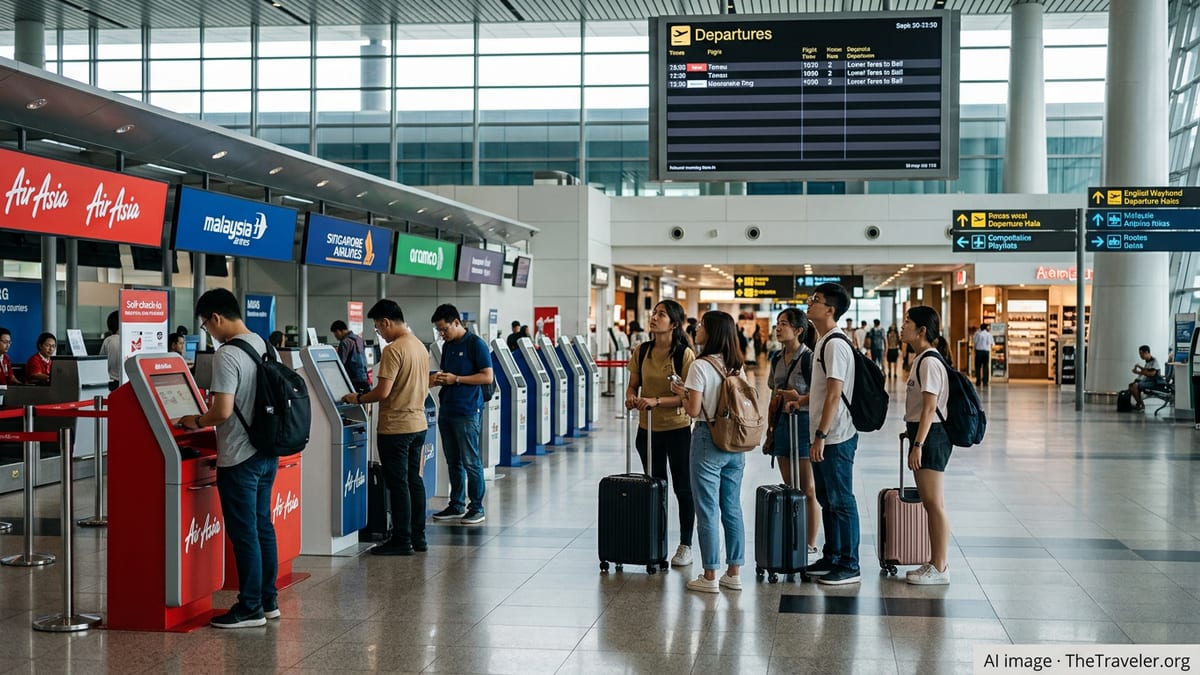
Sabah MP Sounds Alarm as Fares Touch Holiday Hotspot Levels
Concerns over the cost of reaching Tawau broke into the open in early March when Kalabakan Member of Parliament Datuk Andi Muhammad Suryady Bandy warned that air tickets on key domestic routes into the Sabah town were, at times, higher than those to Bali. Speaking on the sidelines of a federal event in Tawau, he urged the government to consider a price control mechanism or a special fare ceiling during festive seasons, arguing that current spikes risked pricing out ordinary travelers.
The lawmaker stressed that well over half of those flying into Tawau are residents traveling for work, study or family reasons rather than leisure, making sharp fare hikes a cost-of-living issue as much as a tourism concern. His remarks came as social media users shared screenshots of last-minute fares between Kuala Lumpur and Tawau edging toward the upper end of historical price ranges despite various government subsidy and maximum-fare initiatives on East Malaysia routes.
Malaysia’s Transport Ministry has previously acknowledged that, without targeted subsidies, one-way fares between the peninsula and East Malaysia can approach four-figure ringgit levels during peak periods. That context has renewed calls for closer scrutiny of dynamic pricing models across airlines serving secondary hubs like Tawau, which rely heavily on a handful of domestic trunk routes for connectivity.
AirAsia, Malaysia Airlines and Singapore Airlines Under Price Spotlight
While low-cost carrier AirAsia remains the dominant operator into Sabah, including Tawau, full-service rivals Malaysia Airlines and Singapore Airlines are increasingly part of the conversation as regional itineraries from Brunei, Taiwan and Singapore push total journey costs higher. Travelers connecting via Kuala Lumpur, Kota Kinabalu or Singapore report that combined fares to Tawau can now exceed those for popular leisure destinations such as Bali, especially when purchased close to the travel date.
Industry data show that Tawau is one of several East Malaysian destinations where capacity is tightly calibrated to demand, leaving little slack during school holidays and major festivals. Airlines point to high fuel costs, constrained aircraft availability and airport charges as drivers of pricing, noting that discount campaigns and special capped-fare schemes are often tied to elections or major holidays rather than year-round travel.
Malaysia Airlines and its sister brands have been restructuring Borneo services, with some intra-Borneo routes transferred to regional subsidiaries in recent years. At the same time, Singapore Airlines has expanded its Brunei and Malaysian operations, offering more one-stop options into Sabah via Changi. These shifts have improved connectivity for international visitors but, in peak seasons, have also created complex fare ladders in which the final domestic leg to Tawau can become the most expensive segment of an itinerary.
Bruneian Holidaymakers Reassess Sabah Weekends
The price surge is being closely watched in Brunei, where short breaks to Sabah’s coasts and highlands are a staple of outbound travel. Pre-pandemic statistics from the Sabah Tourism Board showed Bruneians among the top foreign visitor groups to the state, drawn by self-drive road trips, diving in the Semporna area and shopping in Tawau and Kota Kinabalu. For many, these trips are now being recalibrated in light of higher air and, in some cases, combined air-and-road costs.
Brunei-based travelers posting in regional forums have noted that promotional fares to Indonesian or peninsular Malaysian cities can undercut what they pay to reach Sabah when booking late or for major holidays. Some have begun comparing costs to Bali, Jakarta or even further afield destinations, saying that if total package prices are similar, they may opt for a “new” experience instead of their traditional Sabah weekend.
Sabah industry players worry that such shifts could erode the state’s long-standing appeal as Brunei’s easiest international getaway. Tour operators in Tawau and Semporna say that while core demand from divers and adventure travelers remains, price-sensitive Bruneian families are increasingly delaying trips, shortening stays or choosing overland journeys that bypass flights entirely when possible.
Taiwanese Market Eyes Alternatives as Package Costs Rise
Taiwan has emerged as a growing source of visitors to Sabah, helped by improved air links into Kota Kinabalu and targeted marketing campaigns featuring Borneo’s wildlife and islands. However, agents selling multi-stop itineraries that include Tawau report that rising domestic add-on fares are starting to complicate package pricing, especially for small-group and dive-focused tours.
In Taiwan, Bali and other parts of Indonesia remain well-established holiday favorites, backed by aggressive fare promotions and extensive charter capacity during long weekends. Comparative shopping by consumers means that when Sabah packages edge close to, or above, the cost of Bali trips of similar duration, some travelers opt for the better-known Indonesian resort island instead.
Sabah tour wholesalers say they are working with Malaysian and regional carriers to secure group allocations and advance-purchase blocks on Tawau routes, but warn that uncertainty around last-minute surcharges can still deter price-conscious Taiwanese travelers. They argue that maintaining competitive access costs to secondary gateways like Tawau is crucial if Sabah is to diversify beyond its core China and domestic markets as Visit Malaysia 2026 approaches.
Tourism Stakeholders Call for Coordinated Fare and Capacity Strategy
Across Sabah’s tourism sector, there is growing consensus that ad hoc fare subsidies and short-term fixed-price campaigns are not enough to keep secondary destinations like Tawau attractive in a highly competitive regional market. Hoteliers, dive operators and local business groups are urging federal agencies, airport authorities and airlines to work toward a more predictable framework for peak-season pricing and capacity planning.
Suggestions include earlier publication of capped-fare quotas on select domestic routes, dedicated allocations for international tour groups, and closer coordination between airport infrastructure upgrades and route development incentives. Some stakeholders also want clearer communication to consumers about how and when to access the lowest fares, believing that better transparency could defuse perceptions of arbitrary price spikes.
For now, travelers from Brunei, Taiwan and other nearby markets are being advised by agents to book Tawau trips well in advance, avoid the tightest holiday windows where possible and monitor fare trends on competing destinations. Whether those precautionary steps will be enough to keep Sabah’s southeastern gateway competitive against Bali and other regional heavyweights may depend on how quickly policymakers and airlines can bring Tawau’s prices back in line with its image as an accessible, value-driven escape.