

More news on this day
Tata Consultancy Services (TCS) and global travel technology group Amadeus are deepening their collaboration around cloud-based, AI-enabled platforms, a move positioned to help airlines modernize retailing, unlock new revenue opportunities and streamline the passenger experience from search to arrival.
Get the latest news straight to your inbox!
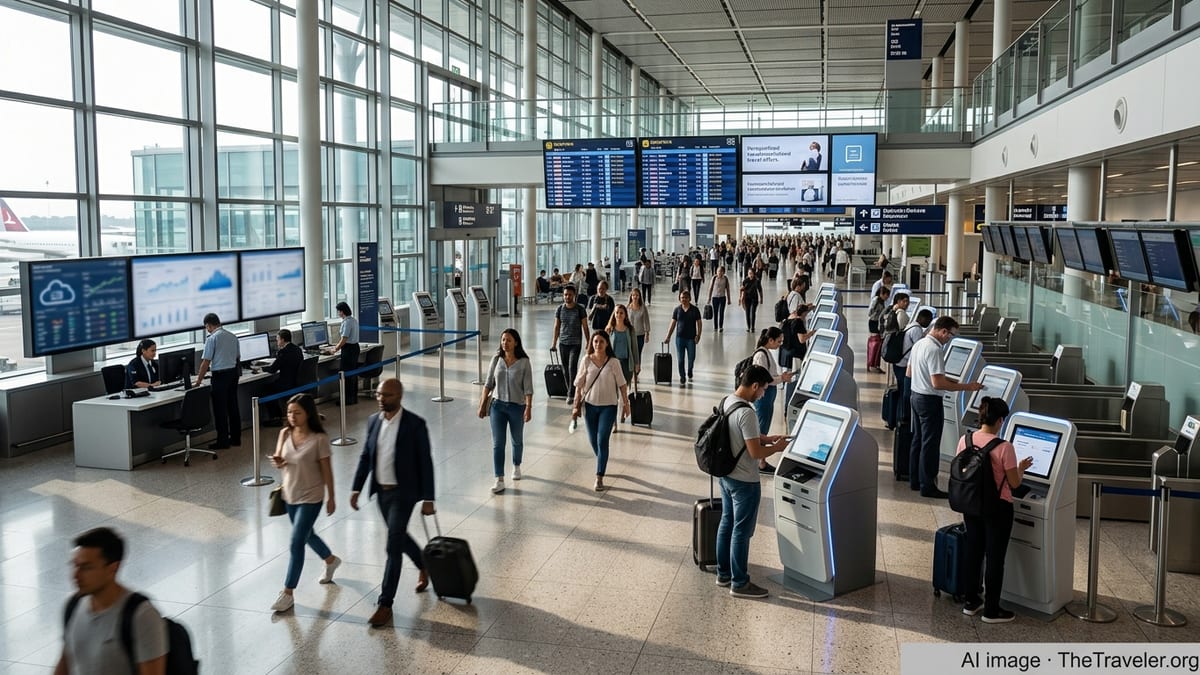
Strategic alliance targets next-generation airline retailing
Publicly available information indicates that TCS and Amadeus are aligning their respective strengths in digital engineering and travel technology as airlines accelerate the shift from legacy booking systems to modern, offer- and order-based retailing. The collaboration builds on Amadeus’ cloud-native airline platforms and TCS’ domain-focused solutions such as its Aviana toolkit for intelligent airline operations, creating a combined proposition aimed at full-funnel travel retail, from flight offers to ancillaries and disruption handling.
Amadeus has been investing heavily in New Distribution Capability (NDC), dynamic offers and order management, while TCS has signed a series of multi-year deals with major carriers to migrate critical systems to the cloud and build AI-ready data foundations. Recent management and investor reports from Amadeus highlight a portfolio focused on low-cost and hybrid carriers and an AI-powered dynamic pricing engine, which has already delivered measurable uplifts in ticket yields for some customers. TCS, for its part, has emphasized AI-first, cloud-first strategies across its travel and hospitality portfolio.
Bringing these capabilities together positions the partnership to address a key pain point for airlines: connecting sophisticated retailing logic in the background with consistent, user-friendly experiences on websites, mobile apps, airport touchpoints and partner channels. For travelers, that could mean more relevant offers, clearer pricing and fewer handoffs between systems as they move through their journey.
Cloud-native technology stack underpins seamless passenger journeys
The collaboration is centered on a cloud-native technology stack designed to support high volumes of transactions while enabling real-time personalization. Amadeus has been moving its core airline solutions to the public cloud and embedding AI-based services such as dynamic pricing and forecasting. TCS brings experience running large-scale cloud transformations for global airlines, including projects that modernize data platforms and core operations to be AI-ready and digital by default.
By combining these capabilities, the partners aim to help carriers decommission fragmented legacy systems and replace them with modular platforms that support continuous innovation. This architecture is intended to make it easier to launch new fare families, bundles and ancillaries, test different merchandising strategies, and integrate third-party content such as hotels, activities and ground transport into a single shopping and booking flow.
For passengers, cloud-native systems can translate into faster response times during search and booking, more accurate real-time information about disruptions, and smoother rebooking options that reflect the traveler’s preferences and loyalty status. Airlines can also unify data from multiple touchpoints, allowing more consistent recognition of customers whether they are browsing on a laptop at home or checking in at a kiosk in a foreign airport.
AI-driven personalization and dynamic offers at scale
A central focus of the TCS and Amadeus collaboration is AI-driven retailing, particularly in the areas of personalization, pricing and operational decision-making. Amadeus has reported tangible results from AI-enabled dynamic pricing, including percentage uplifts in ticket pricing performance for carriers using its algorithms. TCS has been building AI-led solutions for airline clients that range from intelligent disruption management to customer behavior analytics and personalized engagement across channels.
In practical terms, this means moving beyond static fares and generic ancillary offers toward tailored combinations of seats, bags, lounges, onboard services and destination experiences that match an individual traveler’s history, context and willingness to pay. Machine learning models can continuously refine these offers as more data is collected, while also supporting better demand forecasting and inventory allocation behind the scenes.
Travelers could see benefits such as more transparent upgrade options, targeted offers that reflect their typical travel patterns, and proactive assistance when irregular operations occur. Airlines, meanwhile, aim to increase revenue per passenger and improve loyalty outcomes, while also using AI to optimize crew scheduling, aircraft utilization and fuel consumption in ways that indirectly support a more reliable customer experience.
Global airline partnerships signal momentum
Recent contracts and announcements around both companies suggest strong momentum for AI-enabled, cloud-based airline platforms. TCS has signed multi-year agreements with major carriers and alliances to modernize data landscapes, migrate core applications to the cloud and build digital retail capabilities, often referencing cloud-ready solutions that support unified airline operations. Parallel developments at Amadeus emphasize expanding its retailing portfolio for low-cost, hybrid and network airlines, along with investments in AI-powered tools that feed into its core passenger systems.
These activities illustrate how the combined TCS and Amadeus offering fits into a broader wave of transformation sweeping through the airline sector. Carriers facing pressure from rising costs, sustainability targets and changing traveler expectations are seeking partners that can deliver both the infrastructure and the intelligence required to compete as digital retailers rather than purely transport providers.
For travelers, the long-term impact of this trend may be most visible in everyday interactions: more intuitive booking paths, better use of loyalty benefits, and smoother handling of complex itineraries across multiple airlines and transport modes. As the TCS and Amadeus collaboration matures, industry observers will be watching whether these technology investments translate into consistently better experiences in the cabin, at the airport and across the increasingly digital touchpoints that define modern travel.