

More news on this day
Tehran has effectively joined Beirut, Damascus, and Baghdad on the informal list of Middle East capitals widely viewed as off-limits to international travelers, as intensified Israeli strikes and spiraling regional conflict trigger sweeping flight cancellations and the sharpest collapse in tourism to the region in years.
Get the latest news straight to your inbox!
Four Capitals in the Crosshairs
Over recent weeks, Israeli military operations linked to the 2026 Iran war have expanded from targeted strikes in Syria, Lebanon, and Iraq to repeated attacks on the Iranian capital itself. Published coverage describes coordinated air and missile strikes on sites in Tehran and other Iranian cities as part of a broader campaign against Iranian political and security leadership. In parallel, strikes have hit areas of central Beirut, long-contested districts of Damascus, and political and diplomatic zones in Baghdad.
Reporting on the assassination of senior Iranian figures, including Ali Larijani in Tehran, underscores how the capital has shifted from tense but navigable for a minority of specialist visitors to an active front line. Frequent air-raid alerts, localized blackouts, and disruption to basic services are now being documented across parts of the city. Tehran, once promoted in niche travel circles for its museums, bazaars, and café culture, is now more commonly cited in risk briefings than in guidebooks.
In Lebanon, detailed accounts of Israeli drone and missile strikes on Beirut’s seafront and densely populated central neighborhoods have reinforced long standing security concerns that had already kept many mainstream tour operators away. Damascus, under heavy sanctions and intermittent bombardment for years, and Baghdad, where diplomatic compounds have come under renewed drone fire, remain symbols of the region’s fragility. Together with Tehran, these four capitals now form a contiguous arc where discretionary leisure travel has virtually ceased.
The change is particularly stark for Tehran, which had seen modest growth in cultural and religious tourism in the years before the latest escalation. That trajectory has now reversed, as images of damaged infrastructure and reports of civilian casualties circulate widely, reshaping perceptions far beyond the region.
Travel Advisories Intensify and Align
Governments in North America, Europe, and parts of Asia have steadily tightened their travel advisories since late February, as the conflict widened. Publicly available advisories and analytical risk bulletins now largely converge on a common message for Tehran, Beirut, Damascus, and Baghdad: avoid all travel due to the threat of airstrikes, missile and drone activity, and potential collateral damage to civilian infrastructure.
Several states had already maintained strict warnings against travel to Syria and much of Iraq, citing militia activity, kidnapping risk, and legacy damage from previous conflicts. What is new in March 2026 is the near simultaneous elevation of risk levels for Lebanon and Iran’s capital. Fresh guidance references the intensified Israeli strikes, the possibility of further retaliatory actions, and the growing difficulty of mounting emergency evacuations should conditions deteriorate.
Specialist security consultancies are advising corporate clients and non governmental organizations to suspend non essential movement across much of the Levant and western Iran. Their advisories highlight constraints on airspace, the risk of sudden airport closures, and limited overland exit options. For independent travelers, this confluence of government and private sector messaging has a chilling effect, even among the small cohort who might once have considered visiting.
Some regional tourism boards continue to emphasize that not all areas of their countries are directly affected, pointing to coastal or hinterland regions far from current strike zones. However, the emphasis in global travel risk mapping has shifted decisively from granular distinctions between neighborhoods to an overarching focus on regional escalation, missile ranges, and the unpredictability of cross border attacks.
Airports Closed, Airlines Pull Back
Air connectivity to the four capitals has been severely curtailed. Operational notices circulating among airlines and port agents in early March describe widespread airspace closures and reroutings across the Gulf and Levant, with most international carriers suspending direct services to Iran, Syria, Iraq, and Lebanon. In some cases, flights have been halted outright; in others, temporary suspensions have been repeatedly extended as the security picture worsens.
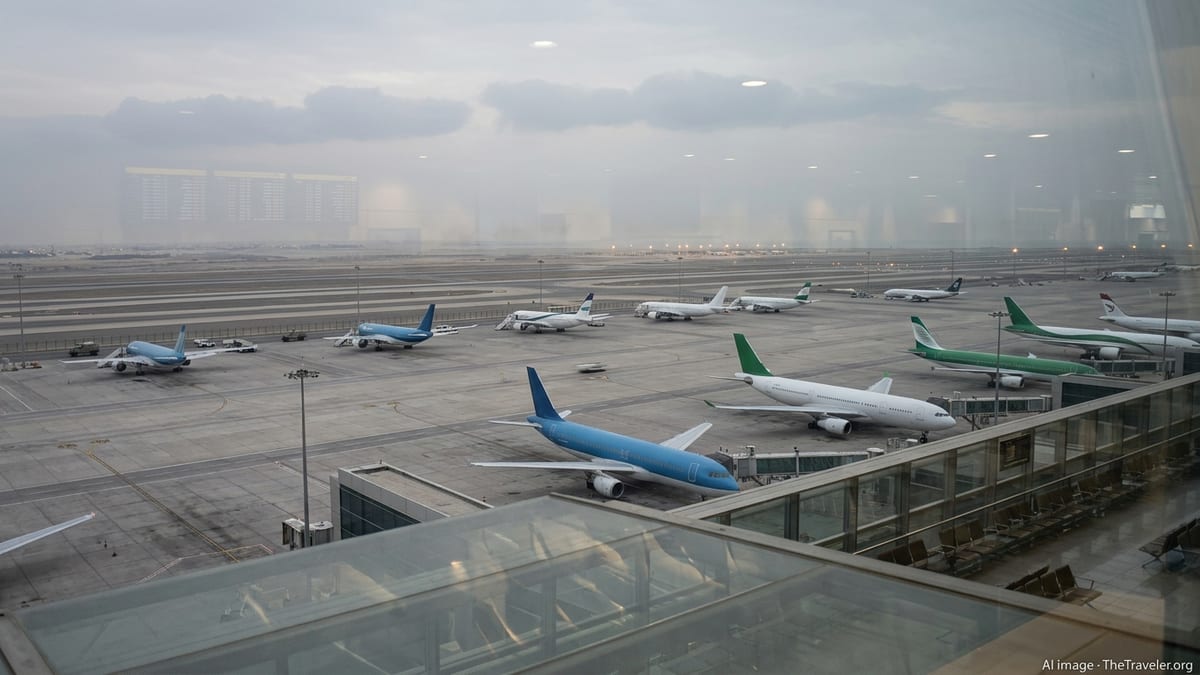
Advisory documents indicate that Tehran’s Imam Khomeini International Airport has faced severe disruption and extended closures as strikes and air defense activity intensify around the capital. Where limited operations continue, flights are subject to last minute schedule changes, diversions, and prolonged ground delays. Regional carriers that once acted as connectors between Tehran, Baghdad, Damascus, and Beirut have scaled back, removed these cities from their booking engines, or shifted to evacuation and special charter operations only.
Beirut Rafic Hariri International Airport officially remains open according to recent port and shipping circulars, yet carriers have trimmed schedules amid airspace risks and fluctuating demand. Damascus International Airport has cycled repeatedly through periods of suspension, reflecting infrastructure damage and security concerns along main approach routes. In Baghdad, renewed strikes near diplomatic and government facilities have prompted multiple foreign airlines to withdraw for the foreseeable future.
For passengers, the practical result is a patchwork of cancelled tickets, complicated re routings through a shrinking number of regional hubs, and growing uncertainty about the reliability of any itinerary touching the broader Middle East. Industry analysts describe a marked rise in mid route turnbacks, enforced diversions, and extended overflight detours that add hours and cost to journeys, even for travelers whose final destinations lie outside the immediate conflict zone.
Tourism and Business Travel Collapse
The tourism slowdown that began with isolated warnings about regional tensions has now hardened into a collapse in demand for travel to the affected capitals. Data points from aviation trackers, hotel market analyses, and corporate travel bulletins all signal a steep drop in arrivals to Tehran, Beirut, Damascus, and Baghdad since the first large scale strikes in late February.
International tour operators that once offered highly curated cultural itineraries to Iran and Lebanon report suspending programs, redirecting marketing budgets to alternative destinations, and in some cases pivoting to domestic tourism in their home markets. Niche agencies specializing in conflict zone documentation, religious pilgrimages, or heritage tours are revising risk thresholds and re orienting toward safer sites elsewhere in the region.
Business travel has also been constrained. Multinational firms with operations in Iran and the wider Levant had already limited non critical staff movements due to sanctions, economic volatility, and sporadic security incidents. The latest wave of strikes and infrastructure disruption has prompted many to rely more heavily on local teams, remote management, and third party logistics providers. Insurance providers are reassessing coverage for trips into active conflict zones, increasing costs or excluding cover altogether.
For local tourism economies, the timing is particularly damaging. The period around late winter and early spring, which includes key cultural holidays and, in Iran, preparations for Nowruz, would normally offer a modest uptick in hotel occupancy and domestic leisure travel. Instead, hospitality businesses face cancellations, lower spending, and uncertainty about when even limited international tourism might resume.
Regional Travel Patterns Rapidly Redrawn
The transformation of Tehran into a city widely perceived as off limits, alongside Beirut, Damascus, and Baghdad, is reshaping how travelers and airlines navigate the broader Middle East. With multiple air corridors contested or restricted, carriers are concentrating operations in a handful of relatively stable hubs and relying more on long overwater routings that bypass Iranian and Iraqi airspace.
Travel risk assessments now routinely treat the four capitals as a single high risk cluster, regardless of the different political and security dynamics in each city. This clustering effect has knock on consequences for neighboring destinations, some of which remain technically open but are experiencing secondary impacts such as higher insurance premiums, wary tour operators, and reduced visitor confidence.
For prospective travelers, the practical guidance emerging from publicly available advisories is consistent: postpone non essential trips to Tehran, Beirut, Damascus, and Baghdad, avoid transiting through their airports, and monitor airline and government updates closely if travel to the wider region is unavoidable. While some seasoned visitors may hope for a rapid de escalation that would allow carefully managed returns, current patterns in military activity and risk assessments suggest that these four capitals will remain on the global forbidden list for the foreseeable future.