

More news on this day
Tennessee has moved back onto the national wildfire watch list as a spell of dry, windy weather and low humidity prompts renewed burn restrictions, heightening concerns for homes, forests and travelers passing through the state’s most popular outdoor corridors.
Get the latest news straight to your inbox!
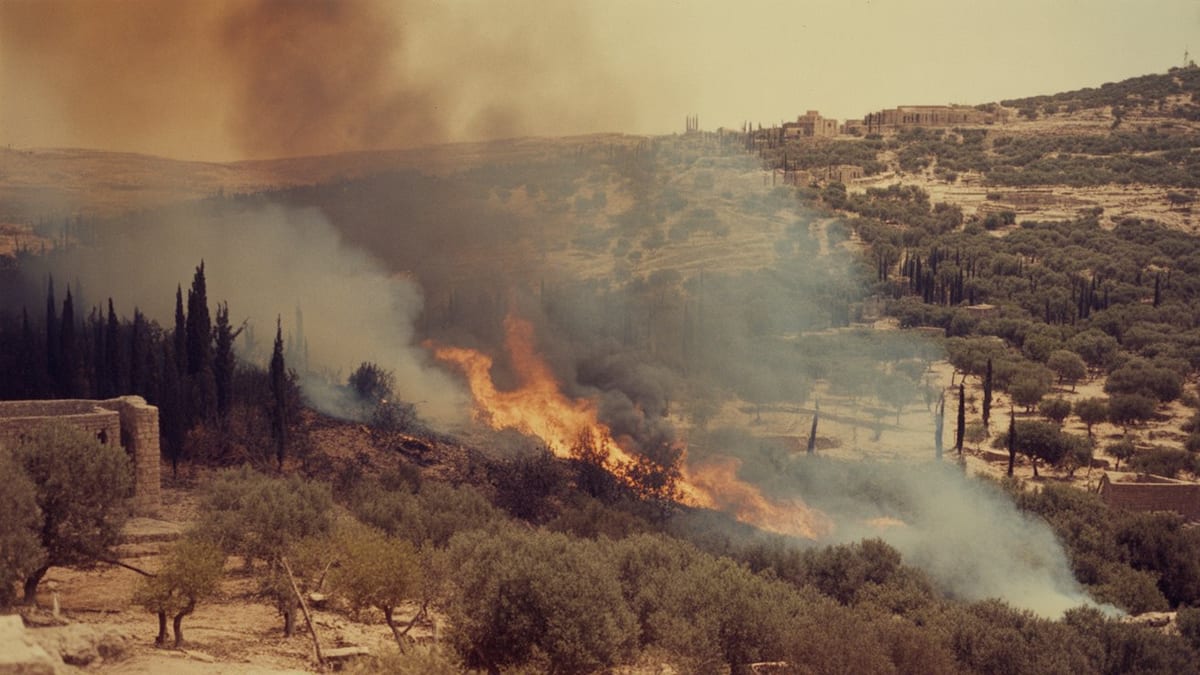
Image by Global Travel Alerts, Advisories, International Travel Alerts
Dry Winds And Parched Fuels Push Fire Danger Higher
Publicly available fire weather outlooks for late March 2026 show much of the Southeast entering another period of elevated wildfire risk, with Tennessee among the states where warm temperatures, low relative humidity and gusty winds are aligning over already dry vegetation. Forecast discussions highlight the combination of cured grasses, leaf litter and brush that can ignite easily when sparked, especially on ridge tops and open farmland.
Reports indicate that recent storm systems have brought more wind than soaking rain to large parts of the state. In several middle and east Tennessee counties, soil moisture and stream flows remain below seasonal averages, leaving forest duff and roadside vegetation quick to dry after brief showers. When afternoon humidity dips and winds increase, small fires started by debris burning, machinery or roadside activity can spread rapidly.
National fire analysts describe a pattern similar to earlier active seasons in the southern Appalachians, when short but intense dry spells aligned with strong pressure gradients to generate fast-moving wildfires. Those past events led to rapid rate-of-spread in leaf litter and pine stands and pushed smoke into major highway corridors, affecting both local residents and travelers.
Burn Permits Tighten As Counties Move To Restrict Open Fire
State forestry guidance shows that Tennessee regulates outdoor burning most strictly between mid October and mid May, a period identified as the core fire season when dry, windy days are most likely to drive wildland blazes. During this window, residents in many areas must secure approval before burning yard debris or conducting agricultural burns, and local ordinances can completely halt open burning when conditions deteriorate.
Across the region, county-level burn bans have become a familiar tool as drought intensifies. In neighboring states, recent proclamations have prohibited most forms of outdoor burning when indexes rise and fire danger is classified as high or extreme. These moves typically apply to brush piles, trash fires, land-clearing burns and larger campfires, while still allowing limited use of gas grills or contained cooking devices.
Regulations tied to Tennessee municipalities reference similar precautions, including explicit prohibitions on burning during high wind events or extended dry spells. Newer ordinances emphasize that even permitted burns must be canceled when wind speeds exceed certain thresholds or when regional fire danger ratings reach red flag levels. For visitors, that means familiar campsite routines such as evening fires may be curtailed with little notice.
Homes, Forests And Travel Corridors At Risk
Recent wildfire seasons across Tennessee and the broader Southeast illustrate how quickly fires can threaten homes at the edges of towns, cabin communities and rural subdivisions. Case reports from the past several years describe grass and brush fires that jumped roads under strong winds, damaging outbuildings, vehicles and occasionally primary residences before crews could establish control lines.
Forestry assessments highlight particular concern for the state’s mixed hardwood and pine forests, including areas near popular recreation destinations. Leaf litter, blowdown from recent winter storms and accumulated deadfall in unmanaged stands create a bed of fine fuels that can carry fire uphill at surprising speed. When strong winds align with slopes and hollows, embers can travel well ahead of the main flame front, igniting spot fires closer to structures.
Transportation routes are another vulnerability. Past incidents in the region have forced temporary closures or lane restrictions on key highways when smoke reduced visibility or when fires burned close to road shoulders. For travelers heading toward Tennessee’s national and state parks, even distant wildfires can mean sudden detours, slower traffic and degraded air quality along scenic byways.
What Travelers To Tennessee Need To Know Now
Publicly available advisories from fire and weather agencies urge residents and visitors across the Southeast to avoid any activity that could generate sparks during periods of heightened fire danger. For travelers in Tennessee, this begins with rethinking campfires, charcoal grills and debris burning, even in areas where a formal ban has not yet been declared. Dry grasses along roadsides can ignite from a single ember or a discarded cigarette.
Travel and outdoor guides increasingly recommend that visitors check local burn restrictions and fire danger ratings before setting out, particularly when itineraries include camping, cabin stays or backcountry routes. County emergency management pages, state forestry updates and daily fire weather discussions provide the clearest picture of whether campfires are allowed, discouraged or outright prohibited in a given area.
Visitors are also urged to plan for smoke impacts. Depending on wind direction, smoke from a relatively small wildfire can drift into valleys and travel corridors, reducing visibility and affecting those with respiratory sensitivities. Flexible schedules, alternate routes and prepared face coverings can help mitigate disruptions if smoke moves into a planned destination.
Another Reminder Of A Widening Wildfire Belt
Analyses of recent fire seasons show that Tennessee’s wildfire profile is gradually shifting, with more frequent short-duration but intense fire weather events during what were once considered shoulder seasons. Earlier springs, lingering autumn warmth and intermittent drought have expanded the window when fires can spread quickly, placing Tennessee within a broader belt of states confronting new wildfire realities.
Experts in forest and land management increasingly frame these burn bans not as isolated reactions but as part of a long-term adjustment to changing climate and land-use patterns. More homes now sit in the wildland urban interface where forests meet development, increasing the stakes each time humidity plummets and winds rise.
For travelers, the latest Tennessee burn alerts serve as another signal that wildfire awareness is no longer confined to the western United States. Planning a trip now means checking fire conditions as routinely as weather and traffic, choosing low-impact cooking options, and treating every dry, windy day as a day when one small spark could leave a lasting mark on Tennessee’s landscapes.