

More news on this day
A cluster of Tennessee cities is preparing for a busier than usual April, as Nashville joins Cleveland, Memphis, Gatlinburg, Jackson and Knoxville in using new festivals, hotel investments and culinary openings to power up the state’s tourism economy and capture peak spring break spending.
Get the latest news straight to your inbox!
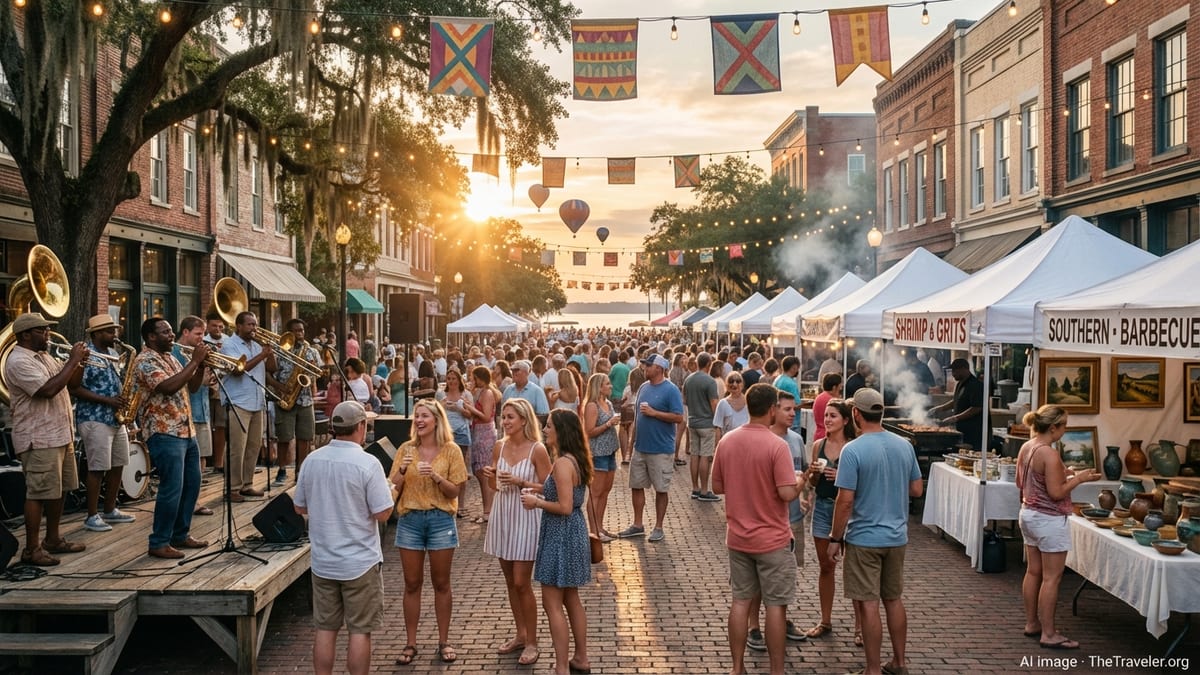
Festivals Anchor an Aggressive Spring Tourism Push
Tourism agencies and local businesses across Tennessee are leaning into April as a prime travel window, building lineups of family festivals, cultural celebrations and outdoor events designed to stretch stays and increase visitor spending. Publicly available tourism plans indicate that cities from Nashville to Jackson are positioning spring vacation travel as a key driver of 2026 hotel occupancy and sales tax receipts, following several seasons of uneven leisure demand.
In Cleveland, the Sweet Tea & Sunshine Family Festival at Greenway Park is scheduled for April 18 and 19, 2026, with organizers promoting food vendors, kid-friendly activities and live entertainment as drawcards for regional families. The two-day event is expected to attract visitors from across southeast Tennessee and neighboring states, adding to weekend hotel bookings and restaurant traffic in the city.
In the Smokies, Gatlinburg’s long-running SpringFest programming and Smoky Mountain events calendar are marketed as a kickoff to the warm-weather tourism season, with April highlighted as a festival month for wine tastings, craft fairs and nature-focused experiences. Updated destination guides emphasize that SpringFest and companion events are intended to encourage visitors to extend stays beyond core weekends and explore smaller attractions and independent businesses throughout Sevier County.
Memphis is also using April as an early-season ramp-up, with cultural programming such as the Africa in April Cultural Awareness Festival downtown and a growing calendar of music and food events leading into the city’s major summer festival season. Travel coverage of Memphis notes that these April gatherings support hotels and restaurants during a shoulder period that has traditionally been quieter than peak summer and fall.
Nashville Adds New Festivals and Culinary Draws
Nashville is sharpening its spring profile with a mix of established and emerging festivals that reinforce its status as both a music and food destination. Vanderbilt University’s long-running Rites of Spring Music Festival in April remains a cornerstone student and visitor event, and newer culinary-focused gatherings are expanding the city’s appeal for travelers prioritizing dining and nightlife.
The Music City Food & Wine Festival, which launched its spring edition in 2025, is slated to return April 24 to 26, 2026 at Centennial Park, with organizers promoting chef demonstrations, mixology competitions, curated dinners and a vendor market as a showcase for the city’s restaurant and beverage scene. Promotional materials indicate that the 2025 debut sold out, suggesting strong demand for experiential food events that combine local talent with destination marketing.
April also leads directly into Japan Week and the 2026 Nashville Cherry Blossom Festival, scheduled for early April in the downtown area. Program details describe a series of cultural, art and family activities linked to the blossoming season, adding another draw for spring visitors and providing hotels and short-term rentals with an additional anchor event around which to build weekend packages.
Hospitality analysts tracking Nashville’s growth note that these April festivals align with a steady pipeline of new hotel openings and restaurant concepts across downtown, the Gulch, East Nashville and emerging neighborhoods. Industry reports suggest that as room supply increases, large-scale events and culinary festivals are being used to maintain rate strength by improving midweek and shoulder-season occupancy.
Gatlinburg, Knoxville and the Smokies Target Longer Stays
In East Tennessee, Gatlinburg and nearby Knoxville are tying spring festivals to nature-driven itineraries, hoping to convert day-trippers into multi-night guests. Event calendars for the Smoky Mountains region highlight April as the start of wildflower hikes, scenic drives and park-based programs, which sit alongside city-based wine festivals, crafts fairs and live music.
Gatlinburg tourism materials for 2026 promote an expanded SpringFest schedule as well as special programming at attractions such as SkyPark, where an Easter sunrise service is planned for early April. Additional information from Gatlinburg visitor guides notes recurring spring events and new themed promotions that reward travelers for checking into multiple locations, signaling a coordinated effort to disperse visitor spending beyond the main strip.
Knoxville, positioned as an access point to the Smokies and a university city, continues to build its own spring draw with sports, arts and riverfront events. Regional travel coverage points to Knoxville’s restaurant scene, craft breweries and renovated downtown hotels as increasingly important to itineraries that combine national park excursions with urban experiences, especially for younger and higher-spending travelers.
Market commentary from mountain lodging operators indicates that while demand for cabins and vacation rentals near the national park remains strong, competition from new inventory is pushing destinations to layer in more festivals and curated experiences during April. The goal is to encourage visitors to book longer stays, take guided excursions and sample emerging culinary options instead of relying solely on traditional attractions.
Cleveland, Jackson and Memphis Lean Into Family and Cultural Travel
Beyond Tennessee’s largest tourism hubs, mid-sized cities are rolling out their own April programming in an effort to capture spring break road trips from within the region. Cleveland’s Sweet Tea & Sunshine Family Festival is marketed as a community-focused event with food trucks, artisans and kid zones, positioned to drive traffic to nearby hotels, campgrounds and downtown eateries over the course of the weekend.
Jackson is highlighting its location along key interstate corridors as a base for exploring West Tennessee attractions during spring break, while emphasizing local music venues, museums and family recreation facilities in destination marketing materials. Tourism development documents for smaller Tennessee markets indicate that April events are being used not only to attract visitors but also to test new culinary operators via pop-ups and food truck rallies.
Memphis, meanwhile, continues to emphasize cultural diversity and riverfront experiences in April. The Africa in April Cultural Awareness Festival, held downtown, brings together music, food and vendors representing African and African American heritage, and is frequently cited in travel features as an early-season anchor that encourages visitors to explore historic districts and the city’s expanding restaurant landscape.
Recent coverage of Memphis hospitality investment highlights ongoing upgrades and brand shifts at key downtown properties, including the riverfront hotel integrated into the Memphis Pyramid complex. Observers note that these investments, coupled with citywide festivals and museum exhibits, aim to push more overnight stays from same-day visitation and to raise average visitor spending per trip.
New Hotels and Culinary Trends Shape Visitor Spending
Across Nashville, Memphis, Knoxville and their smaller counterparts, new hotel supply and evolving food trends are central to how destinations expect to grow tourism revenue this April. Industry data and real estate reports show a wave of openings and renovations in the past several years, including lifestyle brands, boutique properties and mixed-use developments that pair lodging with food halls, rooftop bars and entertainment venues.
Nashville’s ongoing restaurant boom is characterized by chef-driven Southern concepts, global fusion menus and elevated casual dining in neighborhoods beyond the traditional downtown entertainment district. Travel writers are increasingly highlighting areas such as Germantown, East Nashville and Wedgewood-Houston for visitors seeking local coffee roasters, bakeries, natural wine bars and late-night kitchens, all of which tend to increase per-visitor spending compared with quick-service chains.
In Memphis, a new generation of pitmasters and chefs is reinterpreting barbecue and soul food with contemporary techniques and lighter menus, while cocktail bars and riverfront patios cater to younger visitors and group travelers. Reports on the city’s food scene note that these openings complement long-established institutions, allowing itineraries that move from classic barbecue to modern tasting menus in the same weekend.
Gatlinburg, Jackson and Cleveland are also seeing a gradual diversification of their dining scenes, adding craft breweries, distilleries, dessert-focused shops and regional farm-to-table offerings to a base of family restaurants. Destination marketers argue that such changes encourage repeat visitation, as travelers return to sample new venues tied to recurring festivals or seasonal promotions. Combined with targeted April events and spring break packages, these culinary shifts are expected to play a growing role in how Tennessee’s cities convert rising visitor numbers into stronger local tourism economies.