

More news on this day
Dry, gusty winds and unusually low humidity have pushed parts of Tennessee into heightened wildfire alert in late March, prompting new or expanded burning restrictions and renewed warnings for residents, travelers and outdoor visitors as state and federal agencies track rapidly changing fire conditions across the region.
Get the latest news straight to your inbox!
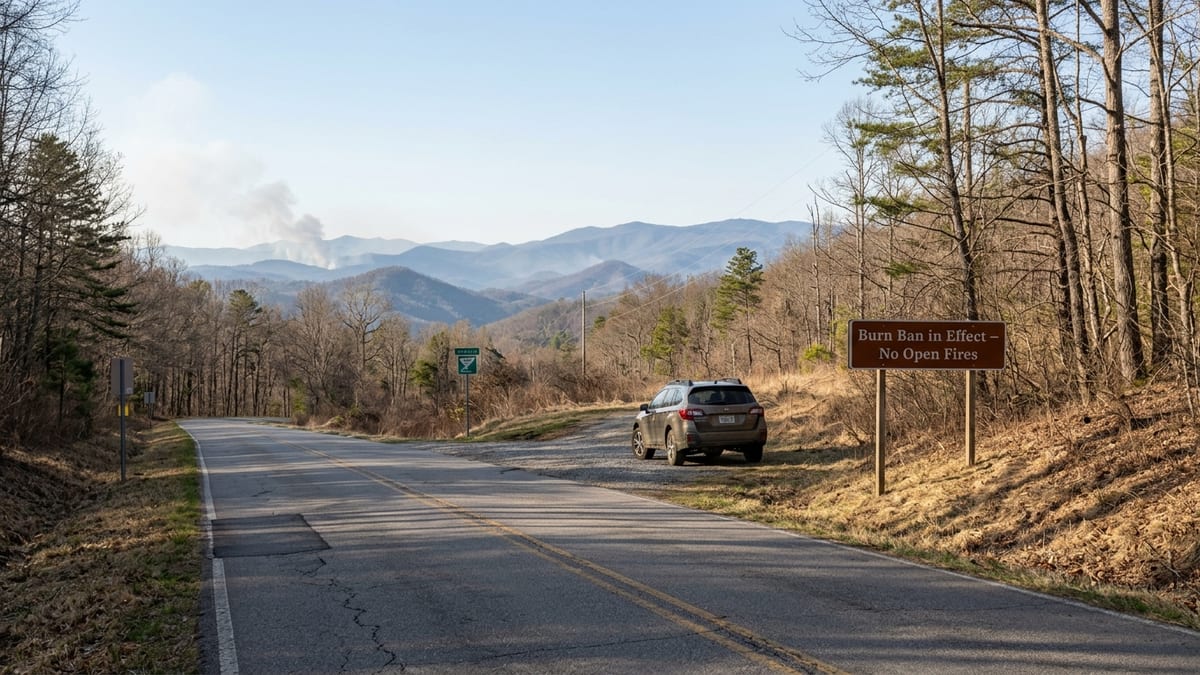
Heightened Fire Weather Puts Tennessee on Edge
Publicly available outlooks for the Southern Appalachians and Tennessee Valley indicate that a pattern of dry frontal passages, above normal temperatures and persistent low relative humidity has left fine fuels such as leaf litter and grasses primed to burn. Recent regional fire behavior advisories for the Southern Appalachian Mountains describe record-low March humidity, rapid drying of forest debris and an unusual tendency for fires to remain active overnight, all of which increase the likelihood that any spark could spread quickly across slopes and into wooded areas.
While Tennessee’s wildfire season is often most active in spring, this year’s combination of cured vegetation and windier conditions has elevated the risk level in several counties. Forecast discussions from National Weather Service offices covering Tennessee reference periods of elevated to near-critical fire weather, especially on warmer, windy afternoons when humidity levels fall sharply. Under these circumstances, outdoor burning that might be routine in wetter years can become hazardous within a matter of hours.
State forestry information notes that much of Tennessee remains within the traditional burn-permit season, which runs from mid October to mid May, a period historically associated with increased wildfire danger. Within that window, days marked by strong breezes and very dry air are now drawing particular scrutiny, with fire managers urging residents and landowners to defer burning and reconsider activities that could produce sparks.
Burning Bans and Local Restrictions Expand
In response to the drying trend and mounting fire danger across parts of the South, multiple counties and municipalities in the broader region have issued temporary burn bans in recent days, prohibiting open-air burning of brush, leaves and other debris. Although burn restrictions are typically enacted at the county level in Tennessee, the state’s Division of Forestry and local emergency management offices rely on shared indicators such as drought status, fuel moisture readings and fire weather forecasts when deciding whether to tighten controls.
Recent executive orders from neighboring jurisdictions, such as the burn ban declared in Garland County, Arkansas, on March 25 due to hazardous dry conditions, underscore the wider pattern of concern in the central and southern United States. These moves reflect a common set of triggers: low rainfall, ongoing wind events and an uptick in recent wildfire activity. Tennessee counties monitoring similar conditions may enact new bans with little notice when fire potential rises, adding to a patchwork of local restrictions that can shift from day to day.
For travelers, this means that campfires, fire pits and debris burning that may be allowed one weekend can be restricted the next. State forestry guidance emphasizes that burn permits, where still available, do not override locally declared burn bans. Visitors planning stays in state parks, national forests or private campgrounds are being urged through public advisories and tourism channels to check for the latest county-level notices before lighting any outdoor fire.
Threat to Forests, Homes and Popular Recreation Areas
Tennessee’s mix of wooded ridges, scattered communities and expanding recreation infrastructure makes the state particularly sensitive to volatile fire weather. Hazard mitigation planning documents highlight that wildfires can threaten both remote forests and residential fringes, with smoke and flames posing risks to homes, roadways and popular outdoor destinations. When humidity drops and winds increase, embers can travel across roads and fire breaks, creating spot fires in dry leaf litter or grass near homes, cabins and trailheads.
Travel corridors through forested regions, including routes into the Cumberland Plateau and Great Smoky Mountains area, can be affected not only by active fires but also by smoke and limited visibility. Public safety plans for Tennessee note that smoke can reduce air quality, aggravate respiratory conditions and complicate evacuation or emergency response when visibility is poor. In dry, windy periods, even relatively small roadside fires can grow rapidly along rights of way, drawing firefighting resources and temporarily closing or restricting access to scenic drives.
Recreation sites are also adjusting operations as fire weather fluctuates. Land managers in the broader Southern Appalachians have increased their use of prescribed burns in recent years to reduce built up fuels and protect forests from more severe wildfires. Public notices explain that these planned fires, when conditions permit, are intended to lower long term risk to trails, campgrounds and neighboring communities. However, on days when wind and humidity move beyond safe thresholds, such treatments are postponed and attention shifts to preventing unplanned ignitions from vehicles, equipment and recreation activities.
What Travelers and Residents Should Do Now
For anyone visiting or moving through Tennessee in the coming days, the latest fire weather discussions and county alerts point to a simple message: treat any open flame or spark as a potential wildfire start. Guidance shared by state forestry agencies and regional fire information centers recommends postponing debris burning, avoiding campfires on windy, dry afternoons and never leaving any fire unattended, even for a short period. Travelers hauling trailers are urged to ensure safety chains do not drag on asphalt, a common source of roadside sparks, and to avoid parking vehicles over dry grass where hot exhaust parts can ignite vegetation.
Public safety messaging also stresses the importance of obeying posted signs at trailheads, boat ramps and campground entrances. In periods of elevated fire danger, some areas may restrict charcoal grills and wood fires, allowing only gas stoves or banning open flames entirely. Visitors are encouraged to use designated fire rings where allowed, keep water or sand on hand to fully extinguish coals and check that ashes are cold to the touch before leaving a site.
Health advisories included in Tennessee’s hazard planning documents note that those with asthma or other respiratory conditions may wish to monitor smoke reports during active wildfire periods and adjust outdoor plans if haze is present. Given the speed with which fire weather conditions can change, travelers are being urged through tourism outlets and local media to stay informed throughout their trip, not just at the planning stage.
A New Season of Travel Alerts in a Warming Climate
The latest wildfire alert in Tennessee arrives amid a broader national trend in which fire weather is increasingly overlapping with peak travel seasons. Recent years have seen more frequent red flag warnings across parts of the South, driven by a mix of warmer temperatures, variable rainfall and high winds. National fire data show that even states not traditionally associated with large wildfires are experiencing more days with elevated or critical fire danger, particularly in transitional months such as March and October.
For the travel sector, this shift is reshaping how destinations communicate risk. Tourism boards, park systems and lodging providers in and around Tennessee are incorporating wildfire information into seasonal advisories, emphasizing both the potential for disruption and the steps visitors can take to reduce risk. Publicly available guidance stresses that most trips can proceed safely when travelers heed local fire restrictions, remain flexible about campfire use and remain aware that trail, park or road closures may occur on short notice.
As Tennessee joins other states in issuing wildfire related alerts this spring, the message emerging across the region is that dry winds and low humidity are now central considerations for planning outdoor recreation. For residents and visitors alike, staying informed and adjusting behavior to match the day’s fire weather conditions has become an essential part of enjoying forests, lakes and mountain vistas during an increasingly volatile season.