

More news on this day
Texas air travelers are confronting some of the longest Transportation Security Administration lines on record this spring, as an ongoing Department of Homeland Security shutdown strains checkpoint staffing and pushes routine waits at major airports from minutes to hours.
Get the latest news straight to your inbox!
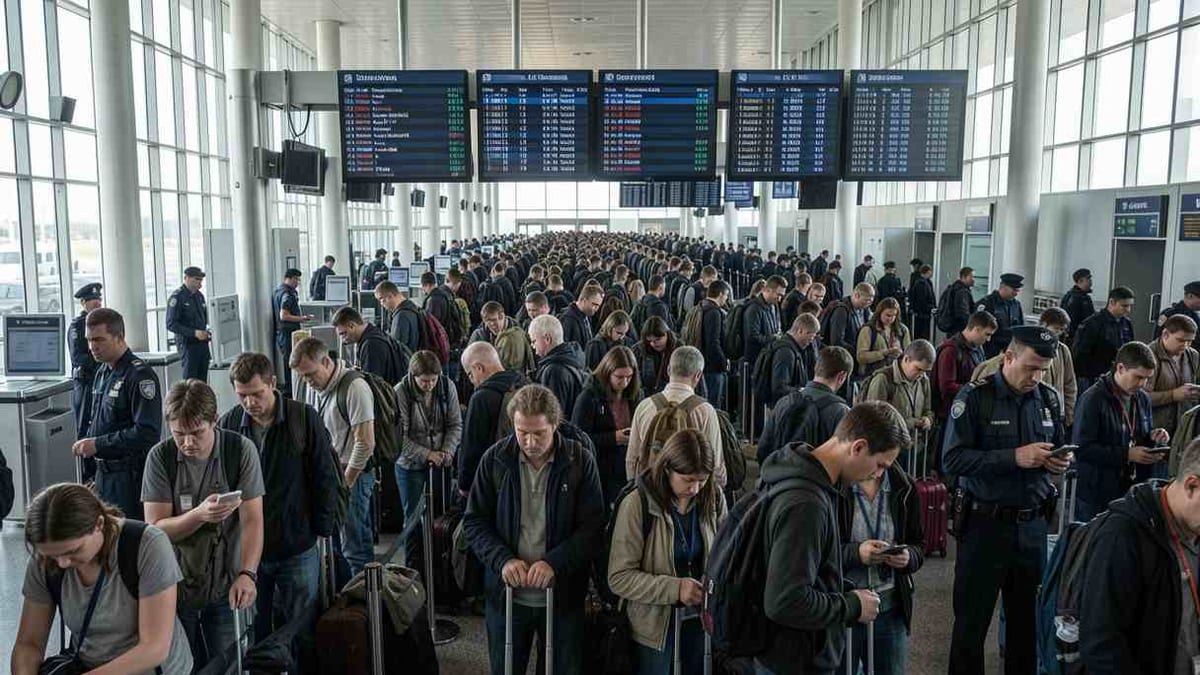
Shutdown Fallout Hits Texas Hubs Hard
The partial shutdown of the Department of Homeland Security that began in mid February has left TSA officers working without pay while demand for air travel surges into the spring break and Easter period. Publicly available information shows that more than 400 officers nationwide have resigned since the funding lapse began, eroding staffing levels at busy checkpoints just as crowds swell.
Texas hubs have emerged as some of the most heavily affected. Local and national coverage over the past several weeks describes security lines at Houston’s George Bush Intercontinental stretching past ticketing areas and into baggage claim at peak times, with reported waits frequently topping three hours. San Antonio and Dallas Love Field have seen more moderate but still elevated queues as screeners juggle growing passenger volumes with fewer available officers.
Reports from airport and travel tracking services indicate that the pressure is not limited to any single city. A winter of rolling disruptions tied to prior funding battles had already thinned TSA ranks at some Texas airports. The latest shutdown has compounded those shortages, creating what some analysts describe as a nationwide staffing crisis that is particularly visible in high growth Sun Belt markets.
While TSA has historically kept key checkpoints staffed through prior funding lapses, the current standoff is longer and more disruptive than many travelers have experienced. Aviation analysts point to the combination of lost paychecks, high attrition and a tight labor market as reasons the agency has struggled to maintain normal throughput at security lanes.
Houston: Ground Zero For Extreme Wait Times
Houston’s two major airports have become a focal point of the current turmoil. According to recent coverage from local outlets, Bush Intercontinental has repeatedly reported standard checkpoint waits of three to four hours during busy morning and late afternoon departure banks. Photos and broadcast footage show snaking lines that wrap around concourses as passengers queue for limited open lanes.
At nearby William P. Hobby Airport, conditions have varied by day and time. Some reports describe wait times stretching past 90 minutes during weekend peaks, while other periods see comparatively smoother processing, particularly for travelers enrolled in TSA PreCheck. Houston Airport System updates indicate that staffing gaps have forced periodic consolidation of checkpoints, funneling crowds through fewer entry points to the secure side of the terminals.
Federal response efforts have added another unusual wrinkle. National reporting describes Immigration and Customs Enforcement personnel being temporarily reassigned to help manage security operations at Bush Intercontinental and Hobby, focusing on line management and non screening tasks so that trained TSA officers can remain on the X ray machines and body scanners. Travel analysts note that the move underscores the severity of the staffing shortfall while raising questions about how long such stopgap assistance can be sustained.
Despite those measures, travelers departing Houston in recent days continue to face an elevated risk of missed flights, especially during early morning rush periods when both leisure and business traffic stack up. Airlines serving Bush Intercontinental and Hobby have encouraged customers through public channels to arrive substantially earlier than usual and to monitor security conditions closely on the day of travel.
Austin, Dallas and San Antonio See Growing Strain
Further up the Interstate 35 corridor, Austin Bergstrom International Airport has experienced its own surge in checkpoint congestion. Local news in Austin describes routine waits of 45 to 60 minutes and longer during peak morning and evening waves, with some travelers reporting lines that extend well beyond the main security hall. The timing has been particularly difficult for Austin, where the shutdown has overlapped with a spike in visitors tied to major events and a broader tourism boom.
Dallas Fort Worth International Airport, one of the nation’s busiest hubs, has historically weathered shutdowns with relatively modest security delays thanks to its extensive staffing and multiple checkpoints. This time, publicly available data from airport dashboards and flight tracking sites show a more uneven picture. While some terminals report manageable wait times, others have seen backups of 30 to 50 minutes, especially in the early morning when a wave of departures takes off for East Coast and international destinations.
Dallas Love Field and San Antonio International are also feeling the squeeze. Coverage from regional outlets indicates that both airports have periodically opened fewer security lanes than scheduled, contributing to unpredictable lines that can range from 15 minutes on slow days to an hour or more when staffing and traffic conditions collide. Travelers passing through these smaller but busy facilities are being urged by airlines and local tourism groups to treat them with the same caution as the state’s larger hubs when budgeting time.
Aviation analysts say Texas is particularly exposed because its airports combine rapid passenger growth with a heavy concentration of connecting traffic. When even a few lanes shut down or operate below capacity, the ripple effects spread quickly through gate areas and flight schedules, raising the risk of missed connections and tight turnarounds for aircraft and crews.
What Travelers Can Do Right Now
For passengers with upcoming trips through Texas, the most important step is adjusting expectations. Travel industry advisories and airport communications consistently recommend arriving significantly earlier than pre shutdown norms. For major hubs such as Bush Intercontinental, Dallas Fort Worth and Austin Bergstrom, that can mean planning to be at the terminal three hours before domestic flights and even earlier for international departures when traveling at peak times.
Technology offers another layer of protection. Several airports and third party services publish near real time estimates of security waits, allowing travelers to check conditions before leaving home and again on arrival at the terminal. While these tools cannot remove the underlying staffing problem, they can help passengers choose the least congested checkpoint, adjust drop off or parking plans and communicate with airlines if it becomes clear that a connection will be tight.
Trip planning choices also matter. Travel experts interviewed in recent coverage suggest booking flights earlier in the day, when operations are generally more resilient, and allowing generous buffers for connections, especially when routing through multiple busy hubs. Where feasible, passengers can consider traveling with carry on luggage only to reduce time spent at check in counters and baggage carousels and to make it easier to switch to a later flight if delays mount.
Programs such as TSA PreCheck and CLEAR may continue to offer faster passage for those already enrolled, but reports from Texas and around the country indicate that even expedited lanes are slowing when overall staffing is thin. Travelers are being advised to treat these programs as helpful but not foolproof and to continue building in extra time regardless of status.
How Long Could The Disruptions Last
The outlook for relief remains closely tied to developments in Washington. Background briefings, congressional testimony and nonpartisan analyses agree that the direct cause of the current turmoil is the lapse in funding for the Department of Homeland Security, which pays TSA officers and many air traffic control support personnel. Until a new spending agreement is approved, the agency is expected to keep operating with a shrinking and demoralized workforce.
Historical patterns provide only limited comfort. Previous shutdowns that affected TSA were shorter, and staffing rebounded more quickly once paychecks resumed. Analysts following the current standoff warn that the unprecedented scale of resignations and the strain of working weeks without pay may leave a longer lasting mark on the agency’s ability to recruit and retain officers, even after funding is restored.
For Texas airports, that could translate into a protracted period of elevated wait times, particularly during busy travel windows such as summer vacation and the winter holidays. Industry observers note that it will take time to hire and train replacements for officers who have departed, and that newly hired personnel may initially process passengers more slowly while they gain experience.
In the meantime, aviation organizations and travel groups are urging passengers to stay informed, stay flexible and build extra time into every step of their journey. With Texas airports under sustained pressure from a national staffing crisis, travelers who plan conservatively and monitor conditions in real time are expected to be in the best position to navigate an uncertain spring travel season.