

More news on this day
Air travel across Texas faced a new round of disruption as 395 flight delays rippled through major hubs in Dallas, Houston, and San Antonio, stranding passengers and complicating airline operations during an already weather-sensitive spring travel period.
Get the latest news straight to your inbox!
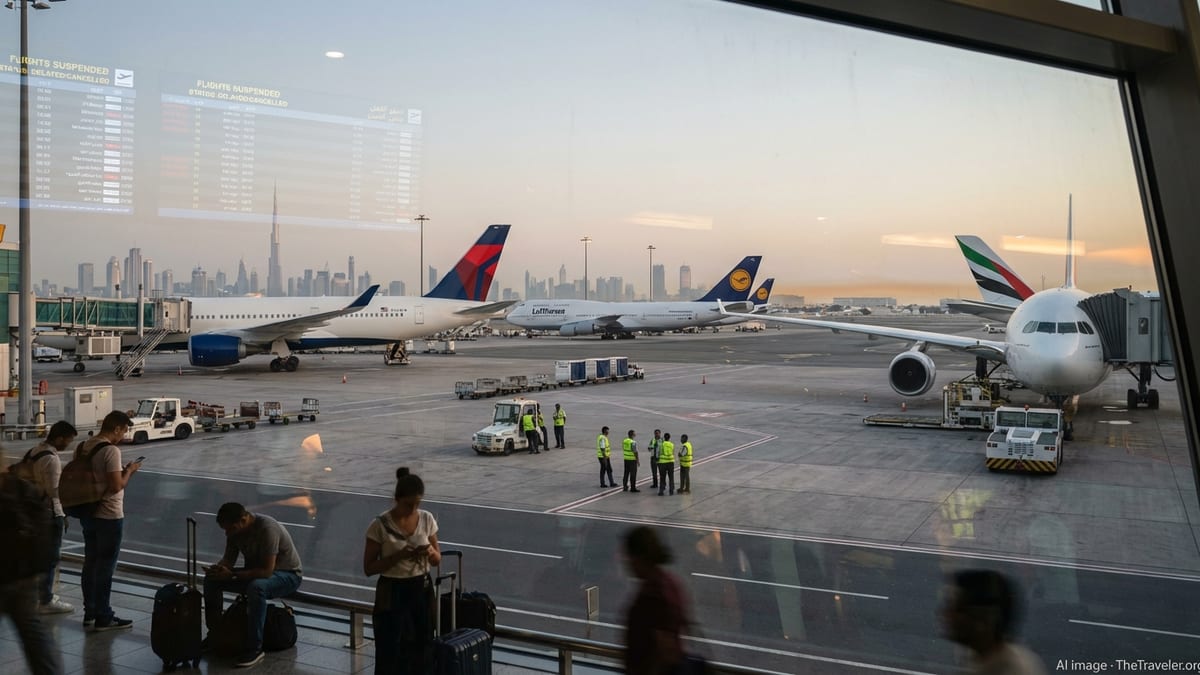
Chain Reaction Across Texas’ Largest Airports
The latest flight disruption has hit three of Texas’ most important air gateways at once, with operational data showing 395 delayed departures and arrivals spread across the Dallas Fort Worth and Dallas Love Field system, Houston’s Bush Intercontinental and Hobby airports, and San Antonio International. The combined impact has created a regional bottleneck felt on both domestic and international routes.
Publicly available tracking platforms indicate that delays built steadily through the day rather than stemming from a single shutdown, suggesting a combination of saturated schedules, lingering weather impacts, and air traffic flow controls. As delays stacked up in Dallas and Houston, knock-on effects were reported on flights arriving from and departing to San Antonio, tightening connections across the state’s dense short-haul network.
The three metropolitan areas serve as critical nodes for several major U.S. carriers, meaning a disruption in Texas can quickly echo across the country. With Dallas Fort Worth acting as a primary long-haul hub, Houston connecting significant Latin America traffic, and San Antonio handling a growing mix of leisure and business demand, even modest slowdowns can cascade into missed connections and rolling gate changes.
Operational histories for these airports show that delay clusters are not unusual during transitional seasons, but the concentration of nearly 400 affected flights on a single day underscores how quickly the system can seize up when weather, volume, and airspace constraints converge.
Weather, Volume, and Congested Airspace Combine
The delay spike follows a stretch of unsettled weather across Texas, with recent forecasts highlighting rounds of rain, strong winds, and thunderstorms sweeping from North Texas down toward the Gulf Coast. Coverage from regional outlets has pointed to repeated storm systems tracking through the Dallas Fort Worth area and elevated rain chances from Houston to San Antonio, conditions that often trigger ground delay programs and temporary rerouting of traffic.
Spring is a particularly sensitive period for Texas aviation, occurring after a winter marked by disruptive cold snaps and during a shoulder season when severe thunderstorms can develop rapidly. Meteorological analyses of recent storms show episodes of strong crosswinds and low cloud ceilings, both factors that can slow arrival and departure rates and force controllers to widen separation between aircraft.
At the same time, airlines have been operating near peak schedule density on many Texas routes as carriers rebuild capacity and target growing Sun Belt demand. When airports are running at or near their maximum practical throughput, even minor weather or equipment constraints can tilt operations into delay territory, especially at hub airports that feed dozens of connecting banks each day.
Industry data on historical performance at Dallas and Houston also illustrates a high share of unscheduled delay minutes tied to weather and air traffic management, reinforcing that the current disruption fits into a broader pattern in which the region’s rapid growth has outpaced the flexibility of its aviation infrastructure.
Passenger Impact: Missed Connections and Overnight Stays
For travelers, the effect of 395 delayed flights has been most visible in extended gate holds, rolling departure times, and an uptick in missed connections through Texas hubs. Reports from passengers describe multi-hour waits on the ground as crews and aircraft reposition to cover disrupted rotations, with some short-haul flights between the three metro areas pushed late into the day.
As departure times slipped in Dallas and Houston, connecting banks were particularly vulnerable. Travelers arriving from smaller markets faced tighter transfer windows, and when onward flights themselves departed late or left with weight restrictions, missed connections multiplied. In some cases, passengers reported being rebooked through alternate hubs outside Texas as airlines attempted to bypass the most congested corridors.
San Antonio, while smaller than Dallas and Houston, saw its role shift from secondary feeder to pressure valve during the disruption. Operational tracking shows increased use of the airport as a diversion point in earlier storm events this season, and the latest wave of delays once again left some travelers on longer-than-planned ground stops while crews waited for updated routing and slot availability.
Hotel demand around the affected airports has also ticked higher during recent disruption clusters, according to local tourism and hospitality reports, suggesting that more passengers are being forced into unplanned overnight stays when late-evening delays turn into next-morning departures.
Airlines Adjust Schedules and Issue Flexible Policies
Carriers with large presences in Texas have responded to repeated bouts of disruption this season by refining their schedules and, at times, issuing flexible travel policies for customers moving through Dallas, Houston, and San Antonio. Published advisories in recent weeks have highlighted temporary change-fee waivers for itineraries touching these airports when severe storms or winter weather were forecast.
Operational bulletins show that airlines have been using a mix of tactics to manage the latest crisis: consolidating lightly booked flights, swapping aircraft types to maximize available seats on constrained routes, and proactively trimming vulnerable departures from the busiest parts of the schedule. These steps are designed to keep banks of connecting flights more reliable, even if that means some customers are shifted to earlier or later options.
Industry performance data indicates that airlines operating at Texas hubs have already been under pressure to improve on-time statistics following earlier storms this year. The current cluster of 395 delays is likely to intensify that scrutiny, especially where repeated disruptions have affected the same routes or departure windows several times in a single month.
Experts who track aviation reliability note that while individual airlines can make incremental improvements through better crew planning and aircraft utilization, many of the constraints in Texas are shared across the system, including runway capacity, airspace structure, and rapidly changing weather patterns.
What Travelers Can Expect in the Coming Days
With forecasts pointing to additional rounds of unsettled weather across parts of Texas in the near term, travel analysts caution that residual disruptions from the current wave of 395 delays may not clear immediately. Aircraft and crew will need time to return to normal rotations, and some early-morning departures in the coming days may still be operating out of position.
Publicly available guidance from airlines and aviation agencies consistently encourages travelers to build extra time into itineraries involving connections through Dallas, Houston, or San Antonio during active weather periods. Same-day rebooking tools and mobile notifications have become key for passengers seeking to move to earlier flights when storms are in the forecast or to reroute around crowded hubs.
The latest episode also adds to a broader conversation about the resilience of Texas’ aviation network as climate and demand trends evolve. Recent seasons have brought a mix of extreme cold, intense heat, severe thunderstorms, and heavy rain events, all of which pose challenges for air traffic management and ground operations at already-busy airports.
For now, travelers planning to pass through the state’s major hubs are likely to face a more cautious operating environment, with airlines and airports balancing the need to maintain full schedules against the risk that another burst of bad weather could quickly turn a localized disruption into a new statewide flight crisis.