

More news on this day
Travelers heading to Texas this spring are being urged to prepare for a growing list of risks, as an early bout of severe weather, sophisticated travel scams and renewed mosquito-borne health concerns combine to threaten vacations across the state.
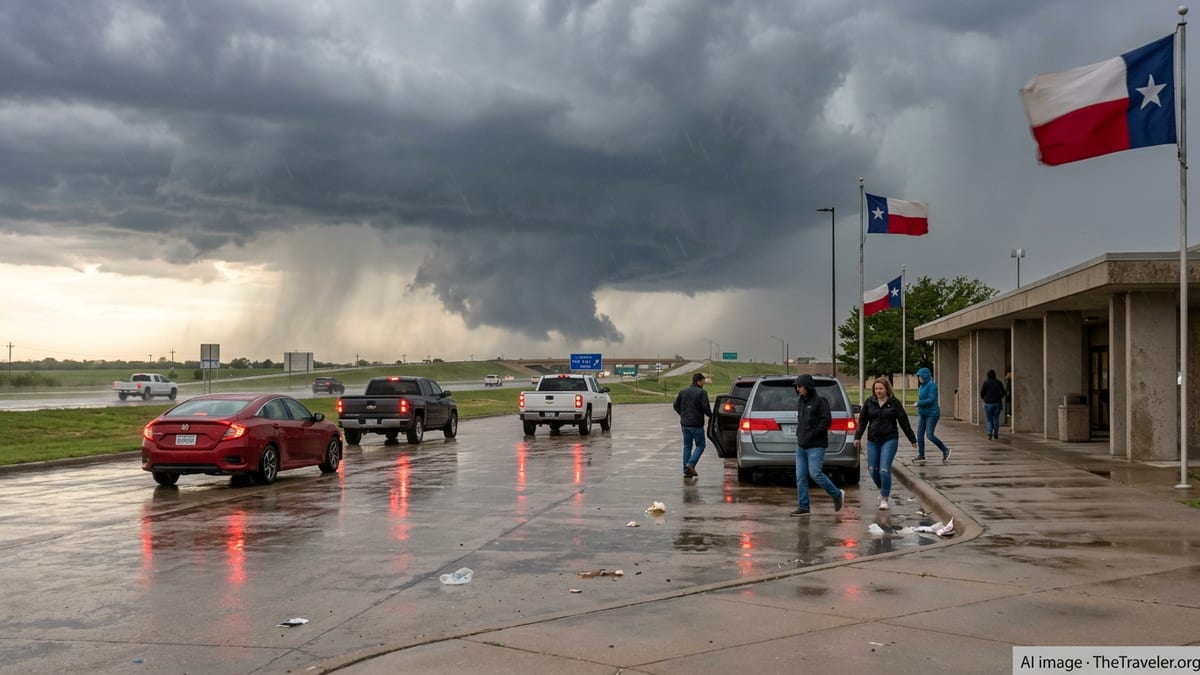
Spring Storm Season Begins With Dangerous New Extremes
Texas is entering spring with an unusually volatile weather pattern, and forecasters warn that visitors could see everything from large hail and flash flooding to fast-moving tornadoes over the coming days and weeks. The National Weather Service and private forecasting firms are tracking a multi-day severe weather setup affecting North and Central Texas in early March 2026, with storms capable of producing damaging winds, golf ball-sized hail and isolated tornadoes. Travelers arriving through Dallas Fort Worth, Austin and smaller regional airports are already facing delays and cancellations as thunderstorm complexes sweep across key travel corridors.
Meteorologists expect the severe threat to ebb and flow through March before ramping up again in April and May, when Texas historically becomes one of the nation’s most active tornado hotspots. Long-range outlooks suggest that the traditional Tornado Alley states, including Texas, could see an especially busy peak season this year, raising the risk that road trips, outdoor festivals and national park visits will be interrupted by rapidly changing conditions. Visitors planning long drives between major cities are being urged to monitor forecasts closely, as severe cells can blossom along the Interstate 35 and Interstate 20 corridors with only a few hours’ notice.
The recent pattern follows a winter of disruptive weather for Texas, including a late January storm system that brought crippling ice, snow and widespread power interruptions across much of the state. Emergency managers say those impacts are a reminder that Texas infrastructure remains vulnerable when storms hit at the wrong time. Tourists who assume that “winter is over” when they land in Houston or San Antonio may be caught off guard if another intense cold snap or early spring squall line develops during their stay.
State transportation and emergency planning documents continue to highlight how quickly conditions can deteriorate along highways subject to high winds, blowing dust, wildfires and flash flooding. Travelers driving rental cars on rural routes in the Panhandle, Hill Country or along the Gulf Coast may find themselves contending with low visibility, downed power lines or flooded low-water crossings, often far from immediate help.
Flight Chaos and Grid Strain Threaten Itineraries
The combination of severe storms and lingering infrastructure vulnerabilities is already rippling through the aviation system serving Texas. During late January’s major winter storm, airlines canceled thousands of flights nationwide as major Texas hubs braced for snow, ice and high winds. It was the worst single day for cancellations since the early pandemic era, according to flight-tracking data, and it stranded scores of passengers overnight in Dallas and Houston hotels. With another active storm pattern developing this week, carriers are again issuing waivers and urging passengers to check their flight status before heading to the airport.
Energy planners and security analysts continue to warn that extreme weather, both hot and cold, will test the state’s electric grid in the years ahead. While significant reforms followed the deadly 2021 blackout, Texas’ latest homeland security strategy notes that surging demand and more intense storms will keep pressure on the system. For visitors, that raises the possibility of localized power outages just as they arrive at a vacation rental, check into a hotel or sit down to a long-planned restaurant reservation in one of the state’s major cities.
Power interruptions can quickly cascade into travel headaches. Airport operations slow when ramp equipment loses power, hotels fill as locals seek shelter from outages, and attractions from museums to theme parks may be forced to close early. Travelers relying on electric vehicle rentals also face added uncertainty if charging networks are disrupted in a particular area by storms or localized grid failures.
Tourism officials and emergency managers are increasingly urging visitors to pack as if a brief outage is likely at some point on their trip. That includes bringing battery packs for phones, printed copies of reservations and maps, and enough medication, baby supplies and basic snacks to cover at least 24 hours of disruption if a flight diversion or blackout strands them between destinations.
Vacation Rental and Travel Scams Grow More Sophisticated
Even before weather becomes an issue, many travelers are now facing a different kind of threat: scams that target people booking flights, hotels and vacation rentals in Texas. The Texas Attorney General’s office has issued repeated warnings about a rise in fraudulent listings, particularly on social media marketplaces and lesser-known booking sites that advertise “too good to be true” beachfront houses in Galveston, Hill Country ranches or downtown lofts in Austin and Dallas. In many cases, victims only discover the scam when they arrive at a property that is already occupied, not for rent or does not exist.
Consumer-protection officials emphasize that sophisticated scammers now scrape photos and descriptions from legitimate listings and repost them with slightly altered contact details, steering payments to untraceable accounts. They may insist on wire transfers, gift cards or payment apps rather than secure credit card platforms, leaving would-be guests with little recourse once the money is gone. The state has also been pursuing travel-related “junk fee” practices in court, arguing that some online platforms misled customers about mandatory charges that inflated the true cost of a stay.
Beyond lodging, authorities warn that classic travel-club and timeshare-style scams are resurfacing with a digital twist, promising deeply discounted Texas resort stays or VIP rodeo and music festival packages in exchange for upfront fees. Some victims report receiving unsolicited calls or emails inviting them to claim prizes that require them to sit through high-pressure sales pitches or hand over credit card details. Others describe finding unofficial parking or shuttle services advertised near major events, only to discover that their vehicles were ticketed or towed.
Officials urge visitors planning Texas trips to book only through reputable travel agencies or well-established platforms, verify property ownership when renting private homes, and be wary of anyone asking for payment outside secure systems. They also recommend keeping detailed records of confirmation numbers, receipts and written communications in case disputes arise later.
Heat, Mosquitoes and Silent Health Threats
As temperatures climb, another set of threats looms over Texas vacations: extreme heat and mosquito-borne illnesses. Public health authorities in the state have reported recurring seasonal activity for viruses such as West Nile, and in recent years have noted multiple travel-associated dengue cases in Texans returning from abroad. While most infections still originate outside the state, the broader trend has prompted warnings that residents and visitors alike should treat mosquito protection as an essential part of packing for a trip.
Health officials are urging travelers, especially those planning to camp, hike or spend evenings outdoors, to use EPA-registered insect repellent, wear long sleeves and pants when possible, and choose accommodations with well-maintained screens or air conditioning. Standing water in roadside ditches, neglected swimming pools and urban construction sites provides ideal breeding grounds after heavy rains, which are becoming more frequent in parts of Texas during intense storm systems.
At the same time, increasingly hot summers across Texas present their own dangers to unprepared visitors. Cities such as Austin, San Antonio and Houston have experienced a growing number of days each year with heat indices at or above levels considered dangerous for prolonged outdoor activity. Travelers arriving from cooler climates may underestimate how quickly dehydration and heat exhaustion can set in while sightseeing, attending outdoor concerts or standing in line at popular attractions.
Local health departments urge visitors to build rest time into their itineraries, carry water at all times, and pay close attention to heat advisories and air quality alerts, particularly for those with heart or lung conditions. They also recommend that travelers research the nearest urgent care or emergency department to their lodging in advance, in case a medical issue arises during a period of extreme heat or heavy pollution.
Border Crime and Roadway Risks for Road-Trippers
For the many travelers who experience Texas by car, especially along the southern border and in remote rural areas, security experts caution that crime and roadway hazards are an underappreciated risk. The state’s latest homeland security assessments highlight concerns about border-related criminal activity, including smuggling and trafficking, as well as the spillover effects of cartel violence on certain corridors. While most tourists are unlikely to be directly targeted, officials say inattentive visitors can become victims of opportunistic theft or end up in the wrong place at the wrong time.
Authorities advise travelers to stick to main highways, avoid driving late at night in unfamiliar areas, and exercise caution at isolated gas stations or roadside stops. They also recommend keeping valuables out of sight in parked vehicles and avoiding informal transportation offers or unlicensed taxis near border crossings and bus depots. In some regions, law enforcement agencies have increased patrols in response to rising concerns, but they continue to stress that personal awareness is a critical first line of defense for visitors.
Texas transportation planners are also flagging the growing impact of extreme weather on roads and bridges, which can turn a scenic drive into a dangerous ordeal. Wildfire risk is increasing in parts of Central and East Texas and the Panhandle, creating the potential for sudden road closures and reduced visibility from smoke. In coastal and low-lying areas, heavier rainfall events are overwhelming drainage systems and producing rapid flash flooding, especially near rivers and bayous that run through popular recreation zones.
Road-trippers are urged to avoid driving through flooded roadways, even when the water appears shallow, and to heed all posted closure signs. Officials note that many flood-related deaths in Texas occur in vehicles when drivers attempt to cross water-covered low-water crossings or underpasses at night. With more visitors using mapping apps that may not update quickly enough during fast-changing conditions, local emergency managers say travelers must be prepared to turn around, reroute and delay plans when confronted with blocked or compromised roads.