

More news on this day
Thailand is moving ahead with a nationwide 300 baht entry fee for foreign tourists arriving by air, placing the country among a growing group of destinations that use dedicated visitor levies to fund tourism infrastructure, safety measures, and environmental management.
Get the latest news straight to your inbox!
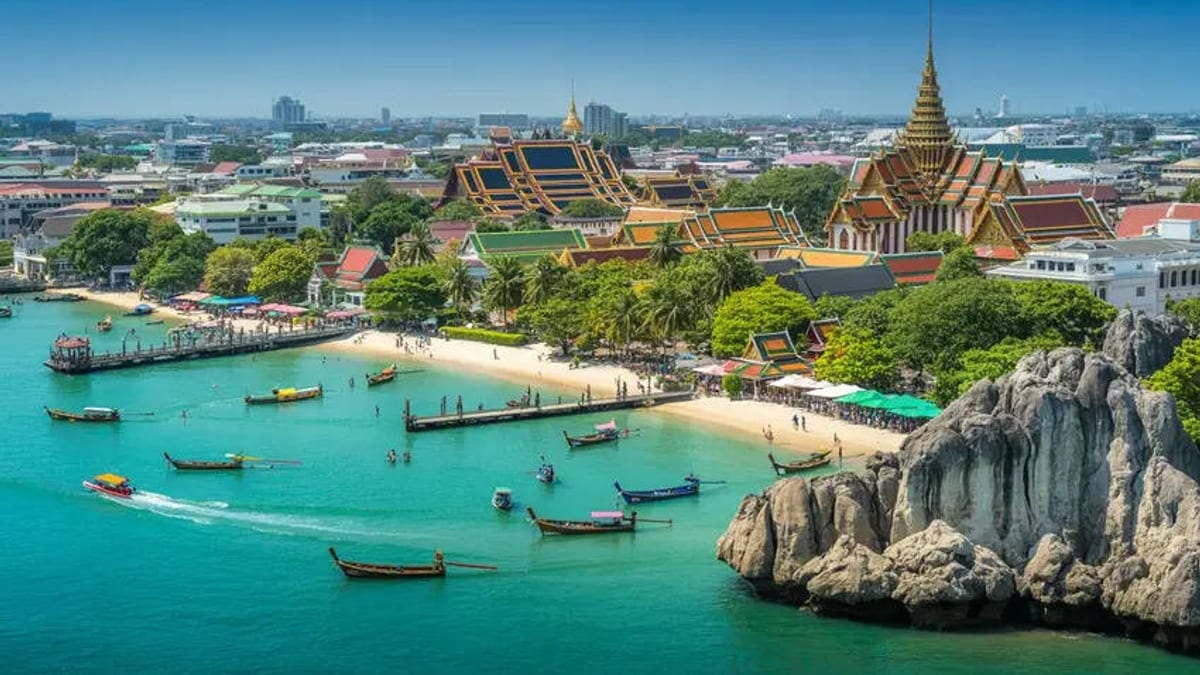
Image by Latest International / Global Travel News, Breaking World Travel News
New Fee Targets Long-Term Tourism Investment
Publicly available information from government briefings and local media coverage indicates that the 300 baht charge will be collected from foreign visitors entering Thailand by air, with discussions continuing over whether a lower rate will later be applied to land and sea arrivals. The levy is expected to be embedded in airline ticket prices rather than collected at the border, mirroring how many airport charges are already handled.
The measure has been under discussion for several years, with earlier timelines repeatedly pushed back as policymakers weighed the risk of deterring price-sensitive travelers. Recent reporting suggests that the new administration in Bangkok now views the fee as a core pillar of its tourism funding strategy, with an emphasis on making the sector more resilient after the severe downturn during the pandemic period.
According to published coverage, revenue from the levy will be ring-fenced for tourism-related uses, including upgrades to attractions, improved basic services in popular destinations, and financial support mechanisms when visitors are involved in accidents or emergencies. Officials have also promoted the fee as a way to spread benefits beyond major hubs such as Bangkok, Phuket, and Chiang Mai, by funding projects in secondary cities and emerging beach and nature destinations.
Analysts following the Thai tourism sector note that even at 300 baht, or roughly the equivalent of a modest local restaurant meal, the fee represents only a small fraction of a typical international trip budget. Airlines and travel agents are expected to highlight the charge as part of overall ticket costs once implementation is confirmed, allowing visitors to factor it into their planning.
Joining a Global Shift Toward Dedicated Visitor Levies
With the new charge, Thailand is aligning itself with a broad international trend in which destinations introduce targeted tourism taxes or fees to manage visitor flows and fund infrastructure. Countries frequently cited in global tourism tax comparisons include Indonesia, Japan, Malaysia, New Zealand, Spain, and Norway, all of which apply some form of dedicated levy on foreign travelers.
Japan collects a flat departure tax commonly referred to as a “sayonara” fee on outbound passengers, while New Zealand applies an international visitor conservation and tourism levy that is used to support natural areas and key tourism facilities. Spain’s major cities and resort regions typically impose per-night accommodation taxes, and Norway has considered new visitor charges alongside existing environmental and transport-related fees serving popular fjord and nature destinations.
Closer to home, Indonesia’s Bali province has introduced a province-level charge on foreign visitors, with local authorities stating that funds will be directed toward environmental protection and cultural preservation. Malaysia applies a tourism tax on accommodation, channeled into marketing and tourism development at the national level. These varied models illustrate how destinations are seeking to secure stable, earmarked revenue streams that grow alongside visitor numbers.
Tourism economists point out that Thailand’s approach, using a single national entry fee, differs from the city- or region-based taxes often seen in Europe, but it shares the same core objective of ensuring that mass tourism contributes directly to the costs of maintaining and upgrading the places that attract visitors. Observers also note that Thailand is introducing the charge at a time when many countries are rethinking how to balance volume growth with sustainability and quality of experience.
How the 300 Baht Fee Could Affect Travelers
For most travelers, the practical effect of the new levy is expected to be relatively simple. The 300 baht amount would be added automatically to airfares for eligible passengers, similar to existing passenger service charges and security fees. Tourists are unlikely to encounter separate payment counters or cash collection points on arrival, which reduces the risk of confusion at immigration checkpoints.
Industry coverage suggests that exemptions may apply to certain categories such as holders of long-stay or work-related visas, transit passengers who do not formally enter the country, and very young children, although detailed criteria will depend on final regulations. Travel platforms are expected to update fare breakdowns so that the tourism fee appears as a distinct line item, making it clearer how much is being collected.
Budget-conscious visitors may notice a modest increase in the advertised cost of low-cost carrier tickets, especially on short regional routes where fares can be highly price-sensitive. Travel planners advise that the fee is unlikely to be the decisive factor for most long-haul travelers, for whom airfare, accommodation, and local spending far outweigh a one-time charge of 300 baht per person.
Some commentators inside Thailand’s tourism industry have raised concerns that the entry fee, combined with recent increases in airport charges and other aviation fees, could gradually erode the country’s reputation as a low-cost destination. Others counter that targeted investment in cleanliness, safety, and crowd management is increasingly important for attracting higher-spending visitors who prioritize quality of experience over the cheapest possible trip.
Planned Uses: Infrastructure, Safety, and Community Benefits
Government policy papers and local reporting describe a range of intended uses for the entry fee revenue. A substantial share is earmarked for upgrading public facilities at major and emerging attractions, including restrooms, accessibility features, signage in multiple languages, and basic safety infrastructure such as railings, lighting, and marked viewpoints at popular natural sites.
Part of the fund is expected to support an insurance or emergency assistance mechanism for foreign visitors. Under this concept, tourists injured in accidents or affected by sudden health issues would have access to financial support for treatment in cases where standard insurance coverage is inadequate or absent. Proponents argue that this could encourage more responsible and timely care, reducing the burden on local hospitals while improving outcomes for travelers.
There is also discussion of directing resources to environmental management, including waste collection in crowded coastal and island destinations, conservation work in national parks, and measures to reduce the impact of tourism on fragile ecosystems. Local media have highlighted concerns about overtourism in certain islands and historic towns, where infrastructure has struggled to keep pace with rapid visitor growth.
Another stated aim is to channel part of the revenue into community-based tourism projects that help distribute benefits more evenly across regions. This could include support for homestay programs, cultural trails, and small-scale attractions in provincial areas, giving travelers more reasons to venture beyond Thailand’s most famous beaches and city districts.
Balancing Competitiveness With Sustainable Growth
As Thailand prepares to roll out the 300 baht tourist entry fee, the central question for policymakers and businesses is how the measure will interact with the country’s broader tourism strategy. The sector is still in a recovery and repositioning phase, with visitor numbers climbing but spending patterns shifting as airlines, hotels, and travelers adapt to a changed global travel landscape.
Comparisons with other destinations indicate that visitor levies have become increasingly common and are rarely the sole factor determining where travelers choose to go. Instead, analysts emphasize that transparency, ease of payment, and visible reinvestment in tourism infrastructure play a larger role in shaping perceptions. If visitors can see tangible improvements in cleanliness, safety, and overall experience, a modest entry fee may be more readily accepted.
At the same time, Thailand faces pressure to maintain its competitive edge against rival destinations in Southeast Asia and beyond, many of which are investing heavily in airports, high-speed rail links, and new attractions. Careful coordination between the new levy and existing aviation, visa, and accommodation charges will be important to avoid unexpected jumps in headline trip costs that could surprise potential visitors during the booking process.
Travel industry observers are watching closely to see how quickly the fee is implemented, how the collected funds are reported, and whether early revenue is directed toward high-visibility projects that demonstrate the benefits of the new system. The outcome is likely to influence how both Thai residents and international travelers view the role of dedicated tourism taxes in shaping the country’s next chapter as one of the world’s most visited destinations.