

More news on this day
Localized fuel shortages, long queues at petrol stations and rising pump prices are increasingly disrupting road trips, tour itineraries and cross border travel plans across parts of Thailand, as the country feels the impact of global oil market turmoil and domestic distribution bottlenecks.
Get the latest news straight to your inbox!
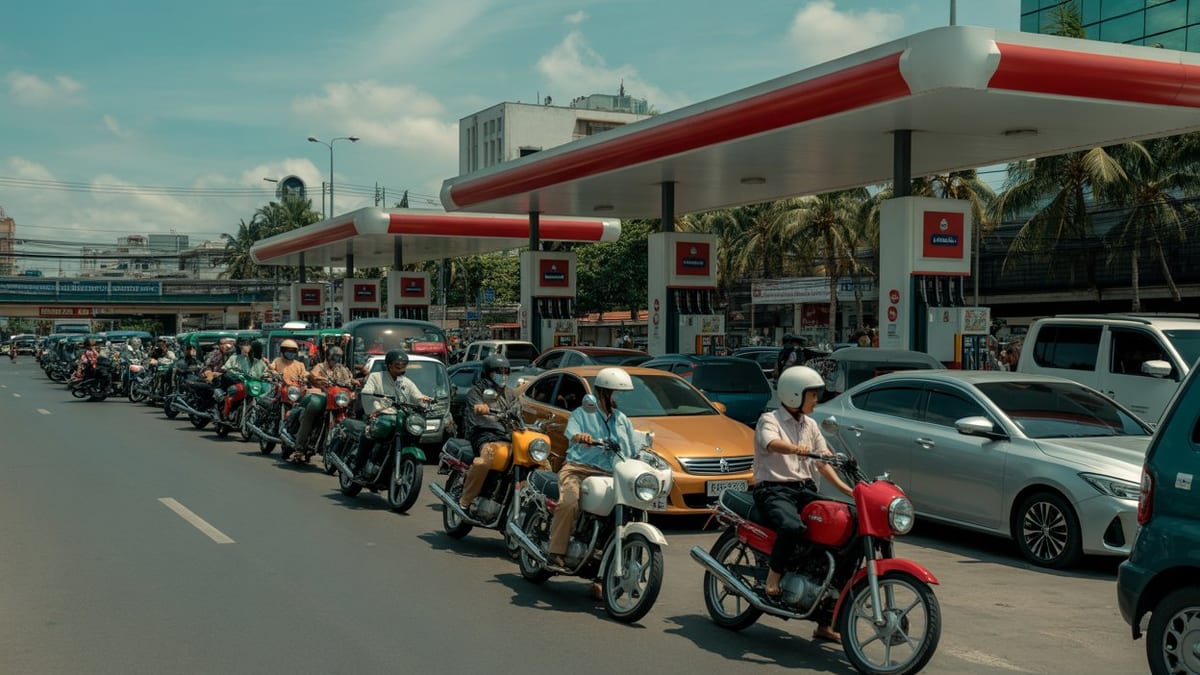
Image by Travel and Tour World – Tourism, Airline, Destination, MICE, Gobal Travel Market, Hotel news that you will find only over here.
Patchy Supply Leaves Motorists Facing Long Queues
Reports from across Thailand in late March 2026 describe an uneven fuel situation, with some regions operating close to normal while others face intermittent shortages and long lines at petrol stations. Motorists in northern and provincial areas have shared accounts of driving between multiple stations to find fuel, or queuing for extended periods, particularly for diesel. In several tourist hubs, individual forecourts have temporarily run dry, leaving “sold out” signs until the next delivery arrives.
Publicly available information indicates that the problem is not a nationwide collapse in supply but a tightening of local distribution networks at a time of heightened demand. Online updates from residents and travelers point to stations that are empty in one town while others just a few minutes away continue to operate with limited or no queues. This pattern is contributing to confusion, with some communities experiencing a sense of crisis while others see only occasional disruption.
Energy market analysis shows that Thailand remains reliant on imported crude and refined products, leaving domestic prices and availability exposed to external shocks. The current volatility follows a sharp rise in global benchmarks linked to conflict in the Middle East and concerns over tanker transit through the Strait of Hormuz, a key corridor for oil shipments to Asia. With import costs rising, the margin for smoothing out local delivery disruptions has narrowed.
In several cases, distribution challenges have been aggravated by precautionary refueling, as drivers top up tanks more frequently or travel further than usual to secure preferred fuel grades. This behavior can quickly drain station storage capacity and outpace normal delivery schedules, amplifying the perception of scarcity even when national stocks remain adequate.
Rising Prices Add Pressure To Domestic Travel
Alongside localized shortages, travelers are contending with higher pump prices. Finance and energy commentary in recent days notes that Thailand’s government is moving away from heavy subsidies and allowing domestic fuel prices to track international markets more closely, while promising targeted support to ease the burden on households and small businesses.
This shift has translated into noticeable increases at the pump for both petrol and diesel, especially in provincial areas where transport and logistics costs are higher. Tour operators report adjusting their internal budgets to cover more expensive fuel, while some small businesses that rely on pickup trucks, minivans and motorcycles are seeking to consolidate journeys to limit exposure to price spikes.
Higher fuel costs are already feeding through to ancillary travel expenses. Travelers in several regions report modest but visible increases in airport transfers, rideshare and taxi fares compared with the same period a year earlier. Intercity bus and minivan operators are reviewing ticket prices and, in some cases, reducing low demand services to save on fuel.
For domestic tourists planning road trips during school holidays and long weekends, the combination of uncertain availability and higher costs is prompting changes in behavior. Some are shortening itineraries, choosing closer destinations or postponing trips that rely heavily on private car travel. Others are building extra time into their schedules to account for possible queues at filling stations along the way.
Border Regions Experience Spillover Effects
The impact of Thailand’s fuel strains is particularly visible in border regions where price differences and currency movements encourage cross border fuel movements. Commentary from travelers and local observers points to tighter supplies near certain crossings with Laos and Myanmar, where relatively cheaper Thai fuel has long attracted demand from the other side of the frontier.
As prices and availability fluctuate, motorists in these areas are encountering longer queues and more frequent “out of diesel” notices, especially at smaller stations along major border routes. Publicly available discussions suggest that informal fuel transfers and stockpiling are placing additional pressure on local storage and resupply, making it harder for regular road users to predict where fuel will be available on any given day.
Southbound routes toward Malaysia are also experiencing mixed conditions. Some international travelers driving in from neighboring countries report largely smooth journeys punctuated by occasional queues, while others describe arriving at popular tourist gateways to find certain stations closed or rationing specific grades. Travel forums highlight that large branded stations along principal highways are more likely to have product, whereas small independent outlets off main routes are more prone to outages.
Cross border tourism flows are sensitive to such uncertainties. Tour agencies working with self drive clients are increasingly emphasizing pre trip planning, advising visitors to refuel early and often, keep tanks above half full in rural stretches and remain flexible about exact routes and refueling points. These recommendations reflect a desire to maintain confidence in overland tourism while acknowledging that conditions near borders can shift quickly.
Tourism Sector Adjusts As Visitors Seek Clarity
Thailand’s tourism industry, which has been rebuilding after the pandemic and regional security concerns, is now adapting to the added complication of fuel strain. Many travelers heading to popular destinations such as Phuket, Krabi, Chiang Mai and the eastern islands continue to report few issues in urban centers, yet others encounter temporary station closures or queues in suburban and rural districts that serve as gateways to beaches and national parks.
Car rental companies and tour operators are monitoring conditions closely. Publicly available information shows that some firms are advising clients to allow extra time between airport arrivals and scheduled activities, particularly where itineraries involve long transfers by road. In pockets where diesel has been tight, operators running minibuses and excursion boats that rely on diesel powered transport have had to juggle refueling plans carefully to maintain published schedules.
The uneven nature of the situation is adding to traveler uncertainty. While major tourist corridors still provide regular opportunities to refuel, the risk of encountering an unexpectedly closed station or a long queue is rising, especially during peak hours and weekends. Visitor forums increasingly feature practical tips on avoiding bottlenecks, including filling up late at night or early in the morning, favoring larger stations on main highways and checking recent local updates before committing to remote drives.
Despite the challenges, the broader tourism network remains functional. Flights, interprovincial buses and many tour services continue to operate, though with higher operating costs and more complex logistics in some regions. The key concern for the sector is whether prolonged price pressure and recurring local shortages could deter visitors from self drive holidays or multi province itineraries that typically spread tourism spending beyond the main hubs.
Travel Planning In A Volatile Fuel Market
For travelers planning trips in and around Thailand over the coming weeks, current conditions point to the need for more detailed preparation rather than wholesale cancellations. Available reports suggest that fuel can still be obtained across the country, but that patience, flexibility and route awareness are increasingly important, particularly for those driving long distances or exploring lesser visited provinces.
Industry observers recommend that motorists treat fuel in the same way they might approach weather or traffic disruptions, by building contingency time into itineraries and avoiding overly tight connections. This can mean scheduling key transfers on weekdays rather than busy Sundays, planning refueling stops in larger towns instead of assuming that every small roadside station will be operating, and monitoring local news and traveler reports for emerging hotspots.
At the policy level, Thailand’s decision to allow energy prices to respond more directly to global market conditions while promising targeted relief reflects a broader regional trend. Neighboring countries are also balancing the fiscal cost of subsidies against the social impact of price spikes, with each adjustment affecting cross border fuel flows and, by extension, travel behavior.
How quickly Thailand can stabilize distribution patterns and restore confidence in consistent fuel availability will be a key factor for both daily commuters and international visitors relying on the country’s extensive road network. Until then, those heading out on the highways are likely to keep one eye on the fuel gauge and the other on the latest local updates.