

More news on this day
International travelers flying out of Thailand will face higher ticket prices from June 2026, as Airports of Thailand moves ahead with a 53 percent hike in passenger service charges to help finance sweeping upgrades at the country’s busiest gateways.
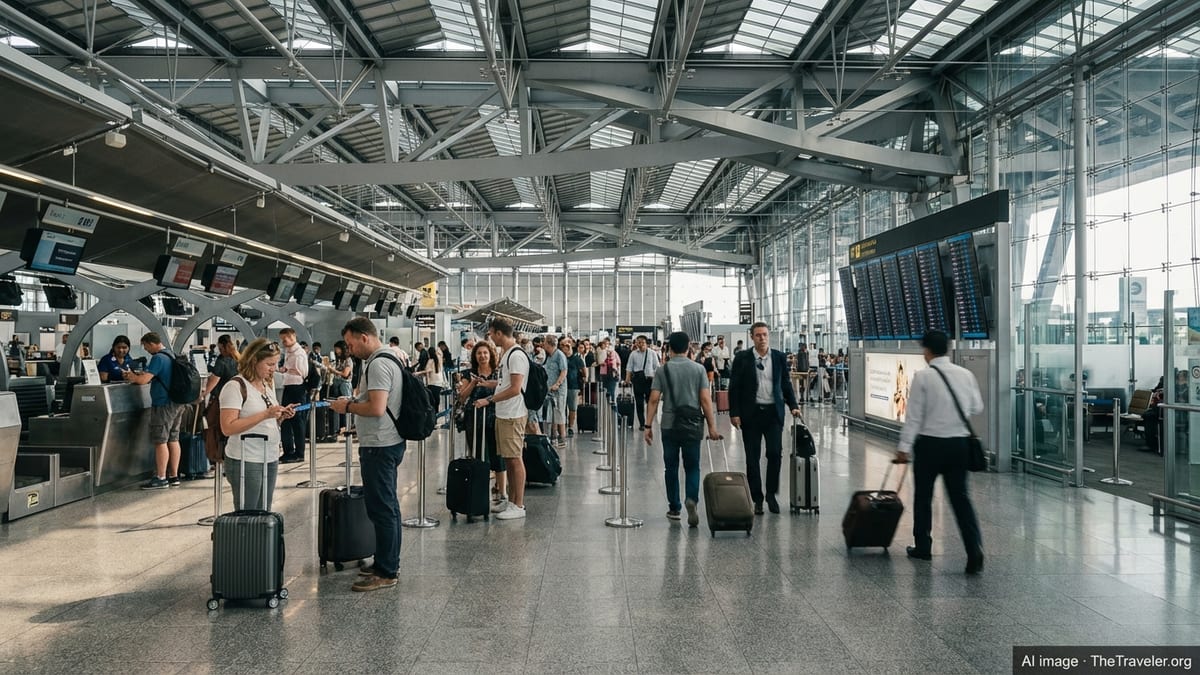
Sharp Fee Increase Confirmed for Mid-2026
The passenger service charge on outbound international flights at Thailand’s six Airports of Thailand operated hubs will rise from 730 baht to 1,120 baht per person, according to recent statements by airport and transport officials and reports in regional media. The 390 baht adjustment, equal to a 53 percent increase, will apply to all international departures once the new rate takes effect in June 2026.
The revised charge will be collected at Suvarnabhumi, Don Mueang, Chiang Mai, Mae Fah Luang Chiang Rai, Phuket and Hat Yai airports, which together handle the vast majority of Thailand’s international air traffic. The increase will be embedded in airline tickets rather than paid separately at the airport, meaning most passengers will encounter the change as a higher all-in fare when booking.
While authorities had earlier signaled that the rise would come into force sometime in early or mid 2026, more recent briefings have pointed to a concrete start date of June 20, 2026 for the new rate to be applied on international departures. The timeline follows regulatory procedures that require several months of advance notice for both airlines and passengers.
Regulatory Green Light and Implementation Timeline
The decision to lift the international passenger service charge follows approvals in principle granted by Thailand’s Civil Aviation Board and the Civil Aviation Authority of Thailand in late 2025. The increase was first endorsed at a Civil Aviation Board meeting chaired by Deputy Prime Minister and Transport Minister Phiphat Ratchakitprakarn, after Airports of Thailand submitted a proposal arguing that higher fees were needed to support long term infrastructure investment.
Under Thai aviation rules, changes to airport service charges must be published in the Royal Gazette and announced at least four months before they come into effect. Airports of Thailand executives have said that once the new rate is officially promulgated, a grace period will follow to allow airlines to adjust fare structures and reservation systems before the higher fee is applied from June 2026 onward.
Transport officials have stressed that the increase targets only international outbound passengers at the six Airports of Thailand managed hubs. The domestic passenger service charge at those airports will remain at 130 baht per traveler for now, while separate, smaller adjustments to fees at regional airports operated by the Department of Airports are proceeding on a different track.
Billions in New Revenue for Airport Expansion
By lifting the international service charge by more than half, Airports of Thailand expects to generate billions of baht in fresh annual revenue dedicated to airport development. Depending on passenger volumes, estimates from Thai officials and local business media suggest the new rate could add between 10 billion and 13 billion baht a year to the company’s income once it is fully in place from the 2027 fiscal year.
Executives say that recurring income from passenger service charges is critical to stabilizing the company’s finances, which have historically relied heavily on more volatile commercial streams such as duty free concessions and retail rentals. Airports of Thailand is seeking to rebalance its revenue mix so that aeronautical income, including fees like the passenger service charge, accounts for a larger share of total earnings.
The additional funds are earmarked for a portfolio of major projects designed to expand capacity, modernize facilities and upgrade technology at key hubs. These investments, in turn, are central to the government’s ambition to position Thailand as a leading regional aviation and tourism hub over the next decade.
Suvarnabhumi South Terminal at the Heart of the Plan
The single largest project linked to the higher fees is the planned South Terminal at Bangkok’s Suvarnabhumi Airport, an expansion valued at more than 200 billion baht and to be built in multiple phases. The new terminal and associated infrastructure are intended to boost the airport’s annual capacity from current levels toward 120 million passengers, easing chronic congestion during peak travel seasons.
According to information released by Airports of Thailand, the first phase of the South Terminal program will concentrate on ground works, access roads, utility systems and soil improvements, laying the foundation for subsequent terminal construction. Later phases will deliver a new passenger building, additional contact gates and a fourth runway, with the full program expected to stretch over a decade or more.
Officials emphasize that the revenue from the higher passenger service charge will allow the company to rely less on borrowing to fund this large scale expansion. By channeling recurring fee income into capital expenditures, Airports of Thailand aims to limit its long term interest burden while still pushing ahead with projects considered essential to maintain service levels and safety as traffic grows.
Technology, Safety and Service Upgrades Across the Network
Beyond Suvarnabhumi, the additional revenue is slated to support a broad slate of upgrades across the six main airports. These include new or expanded terminal facilities, improved baggage handling and passenger screening systems, enhanced airfield infrastructure and modernized information technology platforms to support check in, boarding and security processes.
Airports of Thailand and regulators have highlighted investments in common use passenger processing systems that allow airlines to share check in counters and self service kiosks, helping to reduce queues and improve flexibility during busy periods. Enhanced safety and security technologies, from advanced explosive detection equipment to upgraded surveillance and access control, are also part of the spending plans.
Officials argue that such improvements are necessary to bring Thailand’s largest airports in line with international benchmarks used by leading global hubs. They frame the higher passenger service charge as a way to ensure that the cost of these upgrades is borne by airport users rather than taxpayers more broadly, in keeping with a policy preference for self financing state enterprises.
Limited Impact on Travel Decisions, Officials Say
Thai aviation authorities and Airports of Thailand executives insist that the 390 baht increase is unlikely to significantly alter traveler behavior. Studies commissioned as part of the approval process concluded that the new fee would represent a relatively small share of overall travel costs when compared with airfares, accommodation and other trip expenses, especially on medium and long haul routes.
Industry analysts note that, for many visitors, the higher service charge may be barely noticeable because it is included within the advertised ticket price rather than itemized at checkout. Some carriers could choose to absorb part of the cost to remain competitive on price sensitive routes, particularly in the low cost segment, but most are expected to pass the fee through to passengers in full.
Still, the timing of the increase coincides with a broader rise in travel related charges worldwide, from fuel surcharges to airport development fees in other countries. Budget conscious travelers headed to or from Thailand in late 2026 and beyond may take the higher costs into account when choosing routes, airlines or trip durations, even if the direct impact of the new airport fee remains modest in absolute terms.
Regional Airports and Other Fees Moving in Parallel
The jump in international passenger service charges at Airports of Thailand hubs follows earlier, smaller adjustments at regional airports run by the Department of Airports. That network, which includes gateways such as Krabi, Surat Thani, Ubon Ratchathani, Khon Kaen, Nakhon Si Thammarat and Phitsanulok, has already moved to raise its own domestic and international service fees to help fund basic facility upgrades.
Under changes announced in 2025, domestic charges at many of those regional airports increased from 50 baht to 75 baht per passenger, while the maximum international fee rose from 400 baht to 425 baht. Like the Airports of Thailand hikes, those adjustments were integrated into ticket prices and subject to advance notice requirements for airlines and passengers.
Airports of Thailand has also signaled that it is studying potential increases in other aeronautical charges, including landing and parking fees for aircraft, to more accurately reflect current operating costs and market conditions. In addition, the company is considering the introduction of service charges for transit and transfer passengers, a category that has traditionally not been subject to the passenger service fee in Thailand despite being charged at many airports abroad.
Thailand’s Push to Reinforce Its Aviation Hub Status
The higher international passenger service charge comes as Thailand targets continued growth in air travel after a strong rebound in 2025. Airports of Thailand reported that its six airports handled about 126 million passengers in that year, and it is projecting further increases in 2026, with total volumes expected to rise to between 130 million and 135 million travelers.
Officials argue that without substantial new investment, infrastructure at key hubs could struggle to keep pace with demand, risking delays, longer queues and reduced satisfaction among both tourists and business travelers. The government views well functioning airports as a strategic asset underpinning the country’s tourism driven economy, export sectors and role as a regional connector between Southeast Asia and the wider world.
By tying the fee increase directly to concrete expansion and modernization projects, policymakers hope to reassure travelers and airlines that the additional cost will translate into better facilities, smoother journeys and higher safety standards over time. Whether that message resonates with passengers facing higher ticket prices from June 2026 will become clearer as the new charges take effect and as construction at Thailand’s major airports gathers pace.