

More news on this day
Thailand’s expanded 60-day visa-free entry is reshaping travel planning for 2026, giving visitors from dozens of countries longer, more flexible stays in one of the world’s most popular beach and city destinations.
Get the latest news straight to your inbox!
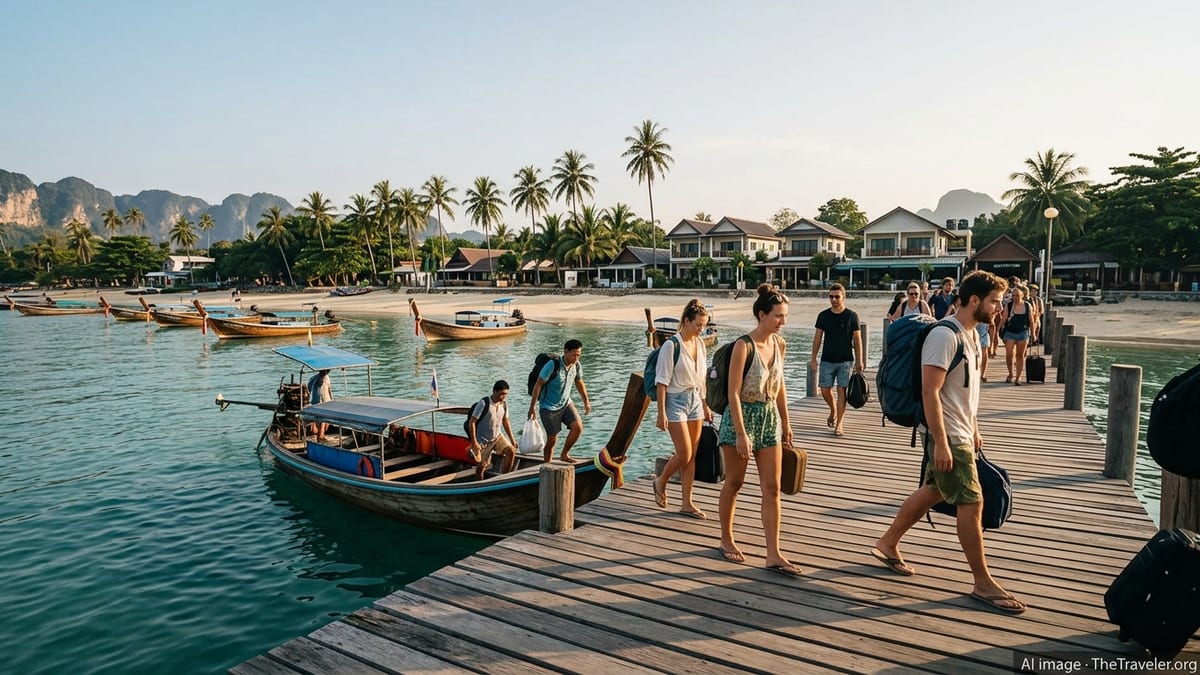
How Thailand’s 60-Day Visa-Free Entry Works in 2026
Publicly available information indicates that Thailand currently allows passport holders from 93 countries and territories to enter without a visa and stay for up to 60 days per trip. The broadened exemption, first rolled out in July 2024 and carried into 2026, covers many travelers from Europe, North America, parts of Asia, and the Gulf, and is intended to stimulate tourism and short-term business travel.
Reports from legal and immigration-focused publications show that the 60-day visa exemption is stamped directly into the passport at the airport or seaport on arrival. Travelers who qualify do not need to apply in advance, but must meet standard entry conditions such as holding a valid passport, onward or return travel, and evidence of sufficient funds and accommodation if requested.
Analysis by regional travel and policy outlets suggests that this longer visa-free stay is part of a wider effort to keep Thailand competitive within Southeast Asia’s tourism landscape. Neighboring countries have experimented with stricter entry periods, while Thailand is, for now, leaning on longer visa-free stays to attract higher-spending visitors who stay beyond the typical one or two weeks.
Easy Extensions: Reaching Up to 90 Days in the Kingdom
For travelers who want even more time in Thailand, the 60-day visa exemption can typically be extended once for an additional 30 days at a local immigration office, bringing the total stay to as much as 90 days. Advisory notes from embassies and immigration specialists state that this extension is usually granted on a discretionary basis to visitors who entered legally and can show a reason for extending tourism or short-term activities.
Extension procedures usually require a completed TM7 application form, a passport-sized photo, photocopies of the passport data page and current entry stamp, and a small fee payable in Thai baht. Offices in major destinations such as Bangkok, Chiang Mai, Pattaya, Phuket, and Koh Samui handle high volumes of these applications, and travelers are advised to apply several days before their initial 60-day period expires to avoid overstay penalties.
Recent guidance from visa consultancies highlights that Thailand has tightened rules on so-called visa runs, where travelers exit briefly and re-enter repeatedly on fresh exemptions. While a single extension to reach up to 90 days remains routine for genuine tourists, patterns of back-to-back entries or long continuous stays are drawing closer scrutiny from immigration officers in 2026.
Digital Arrival Cards, Border Checks, and New Compliance Rules
Alongside longer visa-free stays, Thailand has overhauled its arrival procedures with the Thailand Digital Arrival Card, or TDAC, which replaced the old paper TM6 form. Travelers are now required to complete this digital pre-arrival form, typically within 72 hours before landing, and present a QR code or reference at immigration. Travel advisories stress that the official TDAC portal is free to use and that fee-charging copycat sites have appeared online.
Legal and policy briefings describe a parallel shift toward stricter enforcement at the border. Although the 60-day entry and 30-day extension remain available, immigration officers are paying closer attention to travel histories, frequency of entries, and financial proof. Those unable to explain their plans, show a rough itinerary, or demonstrate funds may face more questions or, in some cases, refusal of entry.
Reports from immigration-focused blogs and local media also note that, while the 60-day exemption is widely available, stays under other channels such as land border entries can be shorter and more limited. In addition, rule changes introduced in late 2025 have targeted serial extensions and repetitive use of exemptions, signaling that Thailand wants to welcome tourists but curb long-term stays that resemble informal residency or unregistered work.
Political Debate and Possible Changes Beyond 2026
Coverage in Thai and regional media in early 2026 indicates that the 60-day visa-free policy is under active review. Some cabinet-level discussions and policy papers have pointed to security concerns and alleged misuse of the exemption by foreigners working without proper permits. Proposals have circulated to cut the visa-free period back to 30 days for some nationalities, while keeping options to extend at immigration.
At the same time, tourism operators and business groups have argued that the longer 60-day stay remains an important tool to draw remote workers, long-stay tourists, and repeat visitors. Commentaries from tourism industry analysts suggest that any move to shorten the exemption could be phased in or targeted, depending on market conditions and political priorities following Thailand’s 2026 elections.
For travelers planning ahead, this means that the current 60-day framework exists alongside an ongoing policy debate. Information from legal firms and travel advisories recommends checking the latest guidance from airlines, embassies, and official Thai government channels close to departure, as details such as eligible passport lists, maximum stays, and extension rules could shift with relatively short notice.
Practical Tips for Hassle-Free Visa-Free Travel to Thailand
For visitors aiming to enjoy Thailand’s extended visa-free stay with minimal stress, preparation remains essential. Travel guides and consular notices recommend carrying printed or digital proof of onward or return travel, confirmation of accommodation for at least the first part of the trip, and access to sufficient funds, whether in bank statements, credit cards, or cash, to satisfy potential questions at immigration.
Travelers planning to stay the full 60 to 90 days are advised to map out their likely itinerary and be ready to explain it briefly if asked. Those considering an in-country extension should research the nearest immigration office, note its opening hours and dress code, and bring extra passport photos and photocopies to avoid repeat visits. Allowing several days of buffer before the end of the initial 60-day period reduces the risk of queues, public holidays, or processing delays causing accidental overstays.
Finally, seasoned visitors suggest maintaining realistic expectations. Thailand’s 60-day visa-free entry in 2026 offers generous time to explore beaches, islands, and cities, but it is not intended to replace longer-term visas for work, study, or residency. Staying informed, respecting the limits of the exemption and extension, and keeping documents organized can help travelers enjoy a smooth, hassle-free journey in what many still regard as one of the world’s most welcoming tropical destinations.