

Spain is not one destination but many distinct worlds sharing one sun. From misty northern cliffs to Saharan desert, from quiet stone villages to cities that dine at midnight, each region offers a different emotional tempo. With tourism numbers at record highs and protests against overtourism reshaping local policies, it is more important than ever to choose not just where to go, but how you want to feel while you are there. This guide matches Spain’s most compelling regions to the moods and experiences you might be seeking, so you can travel more intentionally and more sustainably.
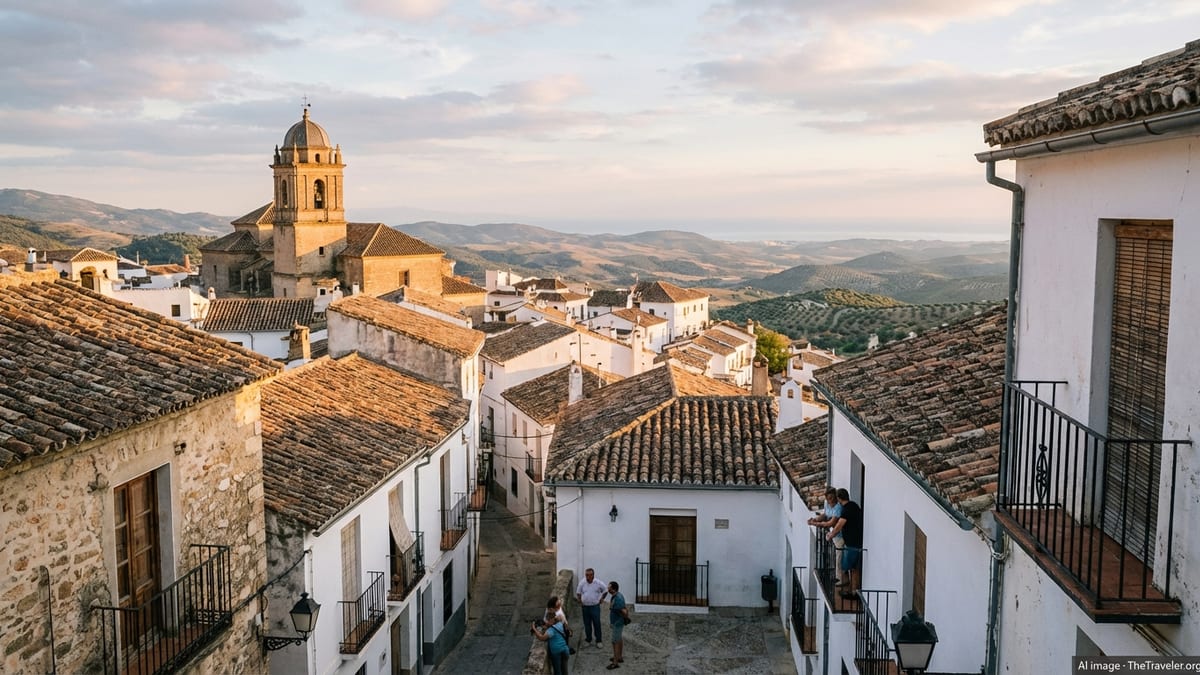
If You Want Pure Wonder: Andalusia’s Big Emotions
Andalusia feels like the Spain many travelers dream about before they ever see it. In the southern cities of Seville, Granada, Córdoba, and Málaga, everyday scenes can feel theatrical: orange trees perfuming tiled courtyards, flamenco singers turning a quiet bar into an emotional storm, and fortress walls glowing gold at sunset. The region has become one of Spain’s fastest-growing tourism hotspots in recent years, especially in peak season, but much of its magic still lies in how it makes you feel rather than what you check off a list.
In Seville, evenings stretch late as locals spill into the streets for tapas, music, and conversation. Granada’s Alhambra and its view-filled Albaicín neighborhood deliver an almost cinematic sense of awe, where snow-dusted Sierra Nevada peaks sit behind Arabic palaces and slender cypress trees. In Córdoba, the Mezquita’s forest of striped arches creates a hushed, contemplative mood that is as powerful as any cathedral organ. These are places where history is not distant; it is an atmosphere that surrounds you.
Yet Andalusia offers more than headline cities. The white villages of Cádiz and Málaga provinces, from Ronda to Vejer de la Frontera, turn the feeling down to a gentler hum. Here, you might wake to swallows circling above tiled roofs and spend long afternoons watching shadows shift across church facades. On the Costa del Sol, resort towns and golf courses draw beach lovers and sun seekers, but even along this heavily visited stretch, smaller coastal villages and inland hill towns can restore a sense of calm when big-name destinations feel too crowded.
Emotionally, Andalusia is for travelers who want to feel swept away: by music, by architecture, by heat shimmering on stone. It is intensely photogenic and famously welcoming, but also busy in high season, especially during spring festivals and summer. Choosing shoulder-season months and staying in smaller towns can keep the feeling closer to romance than to overload.
If You Want Creative Energy: Catalonia and Barcelona
Catalonia, anchored by Barcelona, is Spain’s poster child for urban creativity and coastal escape. Barcelona itself remains the country’s most visited city, and the region continues to top international arrival figures. That success brings crowds and, in recent years, vocal local concern about housing costs and overtourism. Yet for visitors who plan thoughtfully, Catalonia can still deliver a deep sense of inspiration rather than fatigue.
In Barcelona, that feeling often begins with Gaudí’s architecture. The Sagrada Família, still under construction more than a century after it began, gives time a tangible form. Casa Batlló and La Pedrera turn a simple stroll into a conversation with curves, light, and color. Down by the Mediterranean, the city beaches and the revitalized waterfront offer a very different energy: skaters gliding past palm trees, swimmers sharing the surf with stand-up paddleboards, locals gathering for a drink at sunset. The mood is urban, inventive, and always a little restless.
Beyond Barcelona, smaller Catalan destinations give you room to breathe. The Costa Brava’s rocky coves and pine-fringed paths put you in a more contemplative frame of mind, especially if you base yourself in a small fishing village rather than a large resort. Inland, Girona and its medieval walls offer a quieter version of Catalan charm, while the volcanic landscapes and lakes of La Garrotxa feel made for slow drives, farmhouse stays, and long meals of local produce. These areas share Barcelona’s creativity but at a far lower volume.
Catalonia is best suited to travelers who want to feel plugged into big-city culture while still having access to wild coasts and peaceful countryside. If you thrive on art, design, and food trends, you will find plenty here. To avoid feeling like part of an overtourism problem, consider staying longer in one area, exploring beyond the most photographed neighborhoods, and visiting outside of peak summer.
If You Want Timeless Calm: Northern Spain’s Green Coast
For travelers who imagine Spain only as sun-baked plazas and desert landscapes, the country’s north can feel like discovering a different nation. The Atlantic-facing regions of Galicia, Asturias, Cantabria, and the Basque Country trade palm trees for emerald hills and dry heat for misty mornings. Rain is common, the light is softer, and the social rhythm tilts toward quiet conversation and long, late dinners. Emotionally, this is Spain turned inward and gently reflective.
In Galicia, stone villages cluster around small harbors and pilgrim paths converge on Santiago de Compostela, where the cathedral square fills with exhausted, elated walkers. The Rías Baixas coastline, with its inlets and islands, pairs cool Atlantic beaches with vineyards producing crisp white wines. Asturias and Cantabria offer some of the most dramatic coastal cliffs and mountain backdrops in the country, with the Picos de Europa rising sharply just inland. Here, cows graze in steep, green meadows, and small cider houses become cozy refuges in wet weather.
The Basque Country adds culinary intensity to this softer landscape. San Sebastián has become a gastronomic symbol, with pintxo bars and acclaimed restaurants clustered around a perfect shell-shaped bay. Bilbao, once defined by industry, now mixes the Guggenheim’s metallic curves with neighborhoods that still feel decidedly local. Even so, these cities have seen rising concerns about overtourism, and protests have highlighted pressure on housing and public space. Choosing to stay in smaller coastal towns or inland valleys can help you experience the region’s character without adding to the most acute urban strains.
Northern Spain is ideal if you want to feel grounded and unhurried. The weather changes quickly, the sea is often cool, and many beaches are framed by cliffs rather than palm promenades. Travelers who love walking, road-tripping, surfing, and long meals will find an emotional home here. If the south of Spain speaks in exclamation points, the north speaks in ellipses and quiet pauses.
If You Want Island Freedom: Balearic and Canary Islands
Spain’s islands offer two very different ways of feeling free. In the Mediterranean, the Balearic Islands of Mallorca, Menorca, Ibiza, and Formentera have become shorthand for summer escape. In the Atlantic, the Canary Islands closer to Africa promise year-round warmth, volcanic landscapes, and hiking under winter sun. Both archipelagos attract millions of visitors each year, and both have become central to debates about overtourism and the future of coastal tourism models.
The Balearics have long been associated with party tourism, especially in parts of Ibiza and Mallorca, where high-season nightlife can feel non-stop. In recent years, regional authorities have tightened rules on public drinking and all-inclusive alcohol deals in an effort to curb the excesses and reposition the islands toward more family-friendly and cultural experiences. Away from the most saturated resort areas, however, the mood can be entirely different. Menorca’s coves, stone-walled fields, and Biosphere Reserve landscapes, or the quiet beaches and cycling paths of Formentera, evoke a slower, more elemental kind of freedom.
The Canary Islands tend to feel more relaxed than the busiest Balearic hotspots, particularly outside school holidays. Tenerife, Gran Canaria, Lanzarote, and Fuerteventura all mix resort zones with wilder corners where lava fields meet the ocean and hiking trails climb above the clouds. With their subtropical climate, the islands have become a year-round escape valve for northern European winters, especially for families and older travelers. That popularity has brought its own challenges, including protests in some islands calling for stricter controls on tourism developments and better protection of natural resources.
If you want to feel physically free, swimming in clear water in the morning and dining outdoors at night, Spain’s islands are hard to beat. They suit visitors seeking rest, sun, and a sense of being away from ordinary life. To keep that freedom from tipping into overcrowding, consider traveling outside of the main school holidays, choosing smaller properties or agrotourism stays, and spending time in interior villages rather than only on famous beaches.
If You Want Everyday Urban Life: Madrid and the Central Plains
Madrid is Spain’s capital in more than a political sense. It offers a chance to feel plugged into the day-to-day life of the country, far from the sea and the vacation imagery that dominates many postcards. While it attracts millions of international visitors each year, its character remains firmly tied to its role as a working, lived-in city. For many travelers, that brings a different satisfaction: the pleasure of slipping into an urban rhythm that is not primarily built for tourists.
In central neighborhoods, breakfast is taken standing at the bar with coffee and toast, offices empty out for late lunches, and parks like the Retiro and Casa de Campo fill with runners, families, and elderly couples out for a stroll. The Prado, Reina Sofía, and Thyssen museums cluster in a compact cultural triangle, but life elsewhere in the city is defined as much by local markets, small theaters, and neighborhood festivals as by headline attractions. Late at night, the streets can still be lively, yet the mood feels more about social life than about pure spectacle.
Beyond Madrid, the central plateau regions of Castile and León and Castile-La Mancha bring a more introspective tone. Here, vast plains, hilltop castles, and medieval university cities such as Salamanca and Ávila invite reflection. The distances are longer, the landscapes more austere, and the tourism numbers lower than in coastal regions. This is where you are most likely to feel alone with Spain’s history, whether walking quiet ramparts at dusk or stopping for a simple lunch in a roadside village bar.
Travelers drawn to Madrid and the central plains tend to be those who want to feel less like visitors and more like temporary residents. Apartment rentals, local markets, and long café mornings fit well here. Compared with Spain’s coastal hotspots, conversations about overtourism are less intense, but rising housing costs and short-term rentals still influence local debates. Staying longer in one neighborhood and supporting independent businesses can help keep the emotional tone of your visit as neighborly as possible.
If You Want Slow Roads and Understated Beauty: Spain’s Interior and Lesser-Known Regions
While Spain’s coasts and major cities capture most headlines and visitor numbers, large interior regions remain comparatively quiet. For travelers who want to feel unhurried, unobserved, and sometimes almost alone, areas such as Extremadura, parts of Aragón, La Rioja, and lesser-known corners of Castilla y León can be rewarding. Tourism infrastructure is more limited, but that is part of their appeal: these are landscapes of small towns, family-run inns, and roads that stretch between wheat fields, dehesa oak pastures, and vineyards.
Extremadura, bordering Portugal, might be Spain’s most underrated region. Historic towns such as Cáceres and Trujillo preserve entire cores of stone palaces and churches that glow honey-colored at sunset. Stork nests balance on belfries, and nearby natural parks shelter important birdlife. The feeling here is of deep time and low noise: siesta hours are real, meals are long, and English is less widely spoken than in major tourist hubs. Visitors who enjoy navigating in Spanish and accepting slower service often come away with a strong sense of connection.
Further north, La Rioja and the interior wine regions mix rural calm with a more polished food and wine culture. Vineyards roll over gentle hills, and small towns host festivals tied to the harvest. Aragón offers another kind of quiet, with medieval villages stacked on hillsides and wide river valleys leading into the Pyrenees. In these places, you are more likely to share a bar with farmers and local tradespeople than with international tourists.
These lesser-known regions suit travelers who want to feel that their trip supports more balanced tourism within Spain. Getting around often requires a car, distances can be long, and opening hours can be irregular compared with big cities. The reward is a version of Spain that feels intimate, unhurried, and still shaped primarily by local needs rather than international expectations.
The Takeaway
Choosing a region in Spain is ultimately choosing how you want to feel rather than only which sights you want to see. Andalusia offers big emotions and iconic images, Catalonia delivers creative city energy and coastal escapes, the green north brings calm and contemplation, the islands promise a sense of freedom, and Madrid with the central plains ground you in everyday Spanish life. Interior regions give space and slowness that many travelers did not realize still existed in such a popular country.
Recent tourism records and local protests across several hotspots are a reminder that every emotional experience has a footprint. By traveling in the shoulder season, spreading your time beyond the best-known cities and beaches, and choosing longer stays that support local rhythms, you can align what you feel with what destinations need. In Spain, there is a region for almost any mood. The most rewarding journeys are those where the feelings you seek and the places you visit are in balance.
FAQ
Q1. Which region in Spain is best if I want a classic "postcard" experience?
Andalusia, especially cities like Seville, Granada, and Córdoba, offers the closest match to the classic image of sunlit plazas, flamenco, and historic palaces.
Q2. Where should I go in Spain if I want to avoid the biggest tourist crowds?
Consider lesser-known interior regions such as Extremadura, Aragón, or rural Castilla y León, and travel outside school holidays and midsummer whenever possible.
Q3. Which Spanish region is best for food-focused travel?
Several regions excel, but the Basque Country and Catalonia stand out for dense clusters of high-quality restaurants, pintxo and tapas culture, and innovative cuisine.
Q4. What region should I choose if I mainly want beaches and warm weather?
The Balearic Islands and Canary Islands are prime choices, with the Canaries offering the most reliable year-round warmth and the Balearics at their best from late spring to early autumn.
Q5. Is Barcelona still worth visiting given concerns about overtourism?
Yes, but it rewards thoughtful planning: visit outside peak summer, stay longer in one neighborhood, explore lesser-known districts, and balance your time with day trips or nights in smaller Catalan towns.
Q6. Where in Spain will I find cooler temperatures and green landscapes?
Northern regions along the Atlantic, including Galicia, Asturias, Cantabria, and the Basque Country, offer milder weather, lush hills, and rugged coastlines.
Q7. Which region is best if I do not speak Spanish well?
Major urban and resort areas such as Madrid, Barcelona, parts of Andalusia’s coast, and the main islands have more English-speaking staff, though learning a few Spanish phrases is always appreciated.
Q8. Where should I go in Spain for hiking and outdoor activities?
The Pyrenees, the Picos de Europa in the north, and several Canary Islands such as Tenerife and La Palma offer excellent trail networks, mountain scenery, and national parks.
Q9. Which regions are better for a car-free trip using trains and buses?
Madrid, Catalonia, Andalusia’s main cities, and many coastal areas have good rail and bus links, making them easier to explore without renting a car.
Q10. How can I travel more sustainably in Spain’s most popular regions?
Visit in shoulder seasons, stay longer in one place, support local businesses, choose smaller-scale accommodations, and venture beyond the most crowded districts and beaches.