

Spain offers a rare combination of postcard worthy beaches, charismatic cities, and age old traditions that still shape everyday life. Choosing where to base yourself can transform a good trip into a great one, whether you are dreaming of lazy days on the sand, tapas fueled nights in a historic barrio, or small town festivals in whitewashed villages. This guide breaks Spain into key regions and explains what each does best, so you can match your base to the kind of trip you really want.
How to Choose the Right Spanish Region for Your Trip
Before you zoom in on specific cities or beach towns, it helps to think about Spain in broad regional terms. The country is larger and more varied than many first time visitors expect, stretching from the cool Atlantic in the north to the subtropical Canary Islands off the coast of Africa. Each area has its own climate, price level, language nuances, and travel style. Deciding whether you are primarily a beach traveler, a city explorer, or a culture seeker will narrow the map quickly.
Spain’s coasts are especially diverse. The Mediterranean side, from Catalonia to Andalusia, leans toward warm, dry summers and long seasons of swimming and outdoor dining. The northern Atlantic coast, including the Basque Country and Galicia, is greener and cooler, with dramatic cliffs and fewer crowds in high summer. Out in the Atlantic, the Canary Islands promise year round beach weather but with volcanic landscapes rather than classic golden bays in every direction.
Spain’s cities, meanwhile, fall roughly into two categories for visitors: big name hubs such as Barcelona, Madrid, Seville and Valencia, and a constellation of smaller regional capitals like Malaga, Bilbao, Zaragoza and Palma de Mallorca. The big cities pack in museums, nightlife and high speed rail connections, while the smaller ones are often more relaxed, more affordable, and closer to nature.
Cultural experiences are not limited to any one region, but they do take different forms. In Andalusia, Moorish palaces and flamenco tablaos feel integral to place. In Catalonia, modernist architecture and an assertive local identity color daily life. In the Basque Country, food is a serious cultural marker, from rustic cider houses to cutting edge tasting menus. Understanding these differences will help you decide whether to prioritize one region and travel slowly, or sample two or three in a single trip.
Andalusia: Moorish Cities and the Sunshine Coasts
For many travelers, Andalusia is the essence of romantic Spain. This southern region pairs some of the country’s most celebrated historic cities with famous stretches of coastline. If you hope to divide your time between cultural sightseeing and easy beach days, basing yourself in Andalusia can be an efficient choice. The climate is generally warm and sunny from late spring to early autumn, with peak heat in July and August inland.
The cities of Seville, Granada and Córdoba form Andalusia’s cultural triangle. Seville offers a lively urban base with an atmospheric old quarter, grand plazas, and a packed calendar of festivals, especially around Holy Week and the April Fair. Granada, set against the Sierra Nevada mountains, is dominated by the Alhambra, the hilltop palace complex that showcases the legacy of Islamic rule in Spain. Córdoba’s Mezquita, a mosque cathedral with striped arches and an orange tree courtyard, is another architectural highlight. Staying in or near these cities gives you access to major train lines, abundant accommodation, and tapas bars that stay busy late into the night.
For beaches, the region divides into two main coasts. The Costa del Sol on the Mediterranean side is one of Europe’s best known beach areas, anchored by Malaga and stretching through resorts like Marbella, Estepona, Nerja and Torremolinos. This coast is heavily developed in parts, but it delivers long sandy beaches, abundant family friendly hotels, and a growing reputation for gastronomy and urban culture, especially in Malaga. West of Gibraltar, the Costa de la Luz faces the Atlantic, with broader, often wilder beaches in the province of Cádiz and fewer high rise skylines. Towns such as Tarifa, Zahara de los Atunes and Conil de la Frontera attract a mix of kitesurfers, Spanish families and travelers seeking a more low key, wind swept feel.
If you want a base that blends city amenities with easy beach access, Malaga and Cádiz stand out. Malaga has repositioned itself as a cultural city break destination, with notable art museums, a revitalized historic center, and beaches that begin just beyond the port. Cádiz, a compact city set on a peninsula, has an authentic, lived in feel and several long urban beaches within walking or tram distance. From either city, day trips into white village country or to smaller coastal towns are straightforward.
Catalonia and the Costa Brava: Stylish Cities and Sculpted Coves
Catalonia in Spain’s northeast is one of the best regions to stay if you want to combine an energetic city break with rugged coastal scenery. Barcelona is the natural starting point, serving as both a destination and a transport hub. Its mix of modernist architecture, Mediterranean beaches, busy food markets and design conscious hotels appeals to a broad range of travelers, from first timers to repeat visitors. The city’s urban beaches, while heavily used in summer, are practical for a quick swim before or after museums and sightseeing.
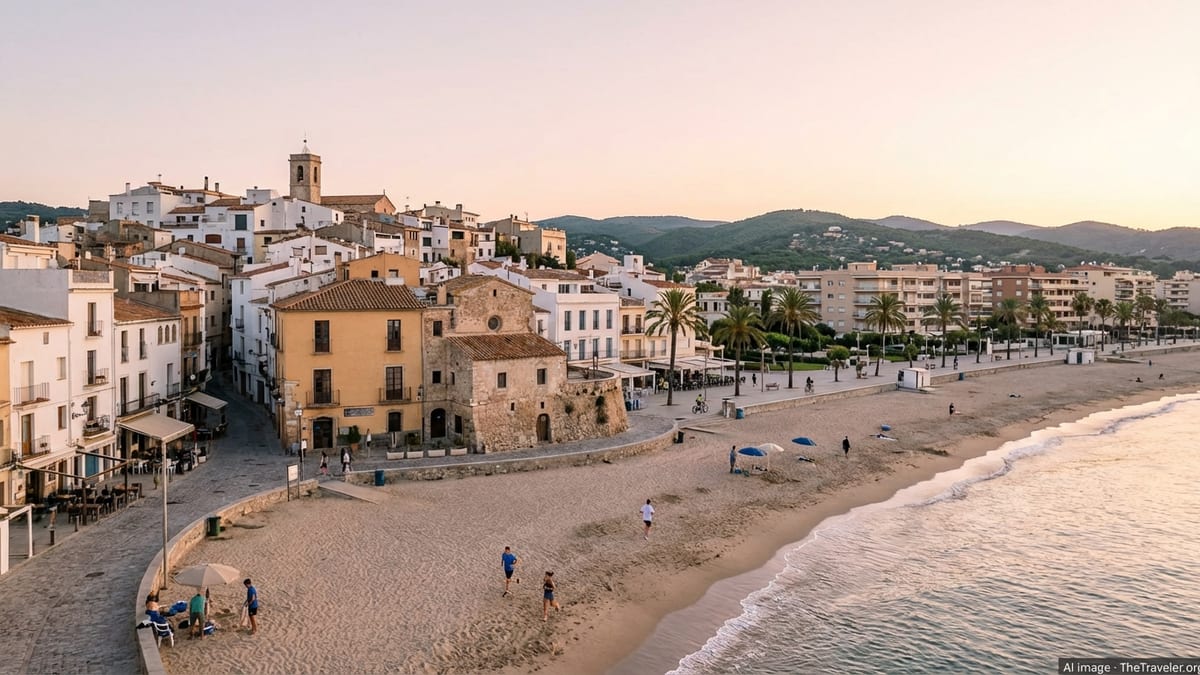
For a more intimate coastal base, look north along the Costa Brava. This stretch of shoreline in the province of Girona is famous for rocky headlands, pine fringed coves and traditional fishing villages. Towns such as Tossa de Mar, Calella de Palafrugell, Begur and Cadaqués offer a slower rhythm than Barcelona along with atmospheric old quarters and small, often sheltered beaches. The area is especially appealing for travelers who enjoy coastal walks, as numerous paths link coves and viewpoints.
Culturally, Catalonia is distinct from the rest of Spain in language and regional identity. Catalan sits alongside Spanish on street signs and menus, and local festivals and cuisine emphasize traditions unique to the region. Girona and Tarragona, both smaller cities, are excellent alternatives to Barcelona for those who prefer a quieter base. Girona charms with its medieval walls, riverside houses and strong food scene, while Tarragona combines a compact old town with extensive Roman ruins and a long city beach.
Catalonia suits travelers who like a balance of design forward hotels, efficient public transport and outdoor activities. The high season for coastal resorts runs from around June to September, with July and August as the busiest and most expensive months. Shoulder seasons in late spring and early autumn can deliver pleasant weather for sightseeing with fewer crowds, although sea temperatures are cooler outside midsummer.
Valencian Community and the Costa Blanca: Easygoing Beaches and Lively Resorts
East of Madrid, the Valencian Community offers a long slice of Mediterranean coastline, citrus groves and a trio of appealing urban bases: Valencia, Alicante and Castellón de la Plana. The region is often associated with straightforward beach holidays, particularly along the Costa Blanca, but it also rewards those who stay in its cities and explore inland.
Valencia, the regional capital, makes an excellent base if you want culture with your coastline. The city is known for its contemporary architecture in the arts and science complex, a revitalized riverbed park that runs for several kilometers, and a historic center filled with markets and Gothic and Baroque buildings. Beaches such as Malvarrosa sit a short tram or bike ride away, so you can comfortably split days between museums, paella by the sea and evening walks through lively neighborhoods.
Farther south, Alicante is both a port city and the gateway to the Costa Blanca resorts. Its compact old town climbs toward a hilltop castle, and the main city beach is directly in front of downtown, lined with a promenade and plenty of cafes. Using Alicante as a base, you can take short trains or buses to a string of smaller resorts and towns, each with its own personality. Benidorm is the most famous, with high rise hotels, long sandy beaches and nightlife that stays busy late into the season. Nearby villages and coves appeal to those seeking a quieter stay with clear water and good snorkeling.
The beaches in the Valencian Community tend to be wide, sandy and well serviced, making the region popular with families and groups who want easy logistics and predictable sun in summer. Inland, you can find traditional villages, hiking routes and vineyards, so travelers who book a longer stay can mix beach days with excursions. Prices in many coastal areas remain lower than in some parts of Catalonia and the Balearics, which can be a deciding factor for budget conscious visitors.
Basque Country and Green Spain: Atlantic Drama and Food Driven Culture
Spain’s northern coast, often called Green Spain, is a distinct alternative to the Mediterranean resorts further south. The climate here is milder and wetter, producing lush hillsides, dairy pastures and forests that run close to the sea. Within this belt, the Basque Country, Cantabria and Asturias stand out for travelers who prefer a cooler summer, wilder Atlantic beaches and a strong focus on regional cuisine.
The Basque city of San Sebastián has become a byword for refined seaside living. Its crescent shaped La Concha beach fronts a Belle Époque promenade backed by elegant apartment buildings and hotels. The compact old town, crammed with pintxo bars, offers some of the best informal eating in Spain, while the wider region is home to numerous high end restaurants. Staying in San Sebastián gives you easy access to city comforts and surf beaches within a short bus ride.
Elsewhere along the northern coast, Bilbao has reinvented itself from an industrial port to a cultural hub, with striking contemporary architecture and a revitalized waterfront. While it is not a pure beach city, nearby stretches of sand are reachable by metro or train, so visitors can blend museum visits with half days by the ocean. Smaller towns such as Ribadesella, Llanes and Comillas in Asturias and Cantabria appeal to those who want coastal scenery without large developments. The beaches here range from broad, dune backed bays to small coves tucked beneath cliffs.
This part of Spain is ideal if you are sensitive to heat or plan to travel in July and August, when southern regions can be very hot. The Atlantic brings changeable weather, so you should pack layers and be prepared for cloudy or rainy spells. In return, you gain space on the sand, excellent hiking in coastal and mountain parks, and a deep rooted food and cider culture that is closely tied to local identity.
The Balearic Islands: Mediterranean Island Hopping for Every Style
Off Spain’s eastern coast, the Balearic Islands of Mallorca, Menorca, Ibiza and Formentera are a longstanding favorite for summer travel. Each island has its own character, and choosing where to stay depends heavily on whether you want nightlife, family friendly resorts, or peaceful nature. All four islands offer attractive beaches, from sweeping bays to hidden coves, along with a backbone of hills or low mountains for walking and scenic drives.
Mallorca, the largest island, presents the widest range of bases. Palma de Mallorca, the capital, is a compact, handsome city with a waterfront cathedral, galleries, and an increasingly sophisticated restaurant scene. From Palma, you can reach several beaches by bus or bike, or base yourself in a coastal resort and visit the city on a day trip. On the north and west coasts, towns like Pollença, Port de Sóller and Deià combine mountain scenery with nearby bays, popular with walkers and cyclists as well as beachgoers.
Menorca is quieter and more low key, with strict building regulations that have limited high rise development. Its coastline is indented with numerous coves, some accessible only on foot or by boat, making it attractive for travelers who enjoy swimming in clear water followed by evenings in laid back port towns. Ibiza and Formentera, by contrast, are better known for nightlife and bohemian beach clubs, though both also have pockets of rural calm. Ibiza Town provides a lively base with a historic fortified center, while Formentera is more often visited on day trips from Ibiza but does offer a handful of small, relaxed settlements for longer stays.
The Balearics are busiest from late June through early September, with peak pricing and crowds in August. If your aim is to hike, explore villages and swim rather than chase all day beach weather, late spring and early autumn can be attractive. Ferries and frequent flights link the islands to mainland cities such as Barcelona and Valencia, so combining a city stay with a week on one island is a popular approach.
The Canary Islands: Year Round Beach Weather and Volcanic Landscapes
The Canary Islands sit far to the southwest of mainland Spain, in the Atlantic Ocean off the coast of North Africa. Their location gives them a subtropical climate that is generally mild and sunny throughout the year, making them one of the best regions to stay if your priority is warm weather outside the Mediterranean summer window. While the archipelago is often marketed as a package holiday destination, each island has notably different landscapes and atmospheres.
Tenerife, the largest island, combines resort zones along the coasts with dramatic volcanic scenery inland, dominated by Mount Teide. The south of the island, around Costa Adeje and Playa de las Américas, focuses on beaches, pools and family oriented hotels, while the north has older towns, lusher vegetation and a cooler, slightly cloudier microclimate. Gran Canaria offers a similar mix of resort areas, such as Maspalomas with its sand dunes, and an interior of rugged mountains and traditional villages.
Fuerteventura and Lanzarote are particularly known for their windswept beaches and water sports. Fuerteventura boasts long, open stretches of sand and strong breezes that appeal to windsurfers and kitesurfers. Lanzarote’s stark lava fields, whitewashed villages and coastal promenades provide a distinct aesthetic, shaped in part by the work of local artist and designer César Manrique, whose influence can be seen in many viewpoints and public spaces. Smaller islands such as La Palma, La Gomera and El Hierro are less focused on mass tourism and attract hikers, stargazers and travelers looking for quiet, rural stays.
For visitors who want a reliable dose of winter sun, the Canaries are hard to beat. The main resort areas have extensive hotel and apartment options, with English widely spoken in tourist zones. Those seeking cultural immersion will find it more in historic towns, markets and local festivals than in the beachfront strips, so consider dividing your stay between a coastal resort and an inland village or smaller city for a fuller picture of island life.
The Takeaway
Spain’s variety can be both its greatest strength and its biggest challenge for planners. The best region to stay depends less on a universal ranking and more on your appetite for heat, crowds and urban energy. If you want a holiday that leans heavily toward classic sun and sand with some culture on the side, Andalusia’s Costa del Sol and Costa de la Luz, Catalonia’s Costa Brava and the Valencian Community’s long sandy beaches are all strong candidates. Pairing a coastal city like Malaga, Valencia or Barcelona with a nearby resort town can give you two complementary perspectives on the same region.
Travelers more focused on food, cooler air and dramatic landscapes might gravitate toward the Basque Country and the wider Green Spain coast, or divide time between a northern city like San Sebastián or Bilbao and nearby villages. Island lovers, meanwhile, can choose between the Mediterranean character of the Balearics and the subtropical climate of the Canaries, tailoring their base to whether nightlife, family facilities or quiet coves matter most. In every case, staying for a few nights in one place rather than moving constantly will deepen your connection to local rhythms and traditions.
Whichever region you choose, consider seasonality and transport when you plan. High summer brings lively beach scenes but also higher prices, while shoulder seasons can make city sightseeing and rural hikes more comfortable. High speed trains and frequent domestic flights mean it is increasingly easy to combine two regions in a single trip, for example a few days in Madrid or Barcelona followed by a week on the coast. By matching your base to the experiences you care about most, Spain becomes less a single destination and more a collection of distinct trips waiting to happen.
FAQ
Q1. What is the best region in Spain for first time visitors who want both beaches and cities?
For a first visit, Andalusia is an excellent choice, especially if you split time between a cultural city like Seville or Granada and the beaches around Malaga or Cádiz.
Q2. Where should I stay in Spain if I am traveling in July or August and dislike extreme heat?
Consider the northern coast in regions such as the Basque Country, Cantabria or Asturias, where Atlantic breezes and greener landscapes keep summer temperatures more moderate.
Q3. Which Spanish islands are best for a quiet beach holiday rather than nightlife?
Menorca in the Balearics and smaller Canary Islands such as La Gomera or La Palma generally feel more low key, with fewer large clubs and a focus on nature.
Q4. Is Barcelona a good base if I want to explore beaches as well as the city?
Yes, Barcelona has several urban beaches reachable by metro or tram, and frequent trains connect to nearby coastal towns on the Maresme and Costa Brava for day trips.
Q5. What region of Spain is best for food focused travel?
The Basque Country is a standout for its pintxo bars and high end restaurants, while Catalonia, Galicia and Andalusia also offer very strong regional cuisines.
Q6. Are the Canary Islands only suitable for package holidays?
No, while many visitors do book packages, you can easily plan independent trips, staying in smaller guesthouses or apartments and exploring beyond the main resort areas.
Q7. Which region is most budget friendly for a beach stay?
Parts of the Valencian Community and some Andalusian coastal towns on the Costa de la Luz often offer better value than the most famous stretches of the Costa del Sol or the Balearics.
Q8. How many regions should I combine in a 10 day trip to Spain?
For a 10 day itinerary, most travelers enjoy focusing on one main region plus perhaps a short stay in a major city such as Madrid or Barcelona rather than crisscrossing the entire country.
Q9. Is renting a car necessary to enjoy Spain’s coastal regions?
It is not essential, as many areas are linked by trains and buses, but a car can be helpful for reaching smaller coves, rural villages and scenic viewpoints beyond main resort towns.
Q10. When is the best time to visit Spain if I want warm weather but fewer crowds?
Late May to mid June and September to early October often provide pleasant temperatures for beaches and cities with fewer visitors than in the peak summer weeks.