

Alabama stretches from Appalachian foothills in the north to sugar-white beaches on the Gulf Coast, which means the best time to visit depends a lot on what you want to do. From spring azaleas and coastal festivals to steamy beach days, fiery fall foliage, and mild winter escapes, each season offers a distinct version of the state. Understanding Alabama’s changing weather, crowd patterns, and signature events will help you pick the ideal month for your itinerary and budget.
Understanding Alabama’s Climate and Regional Differences
Alabama has a humid subtropical climate, with long warm seasons, short relatively mild winters, and significant influence from the Gulf of Mexico. Summers can feel very hot and humid statewide, while spring and fall often deliver the most comfortable temperatures. Along the coast, conditions are tempered slightly by sea breezes, but humidity remains high in the warm months. Inland, especially in northern Alabama, seasonal contrasts are more noticeable with cooler winters and crisper autumn days.
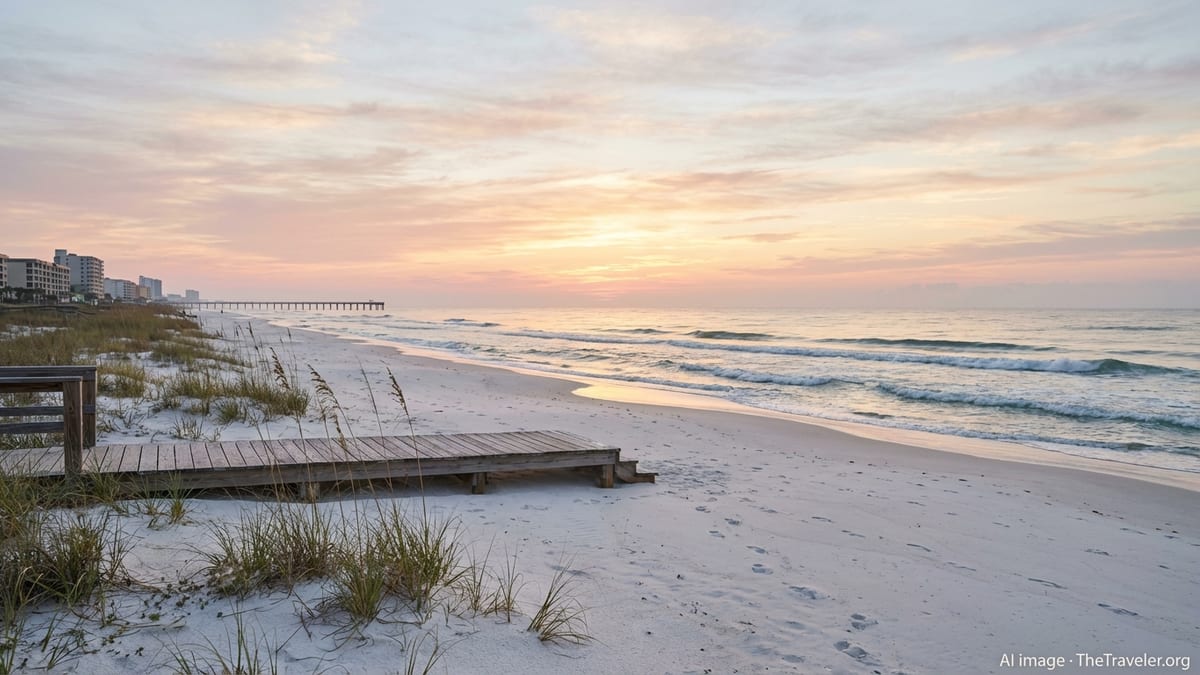
The state’s regions experience the same broad seasonal shifts but in different ways. Coastal destinations such as Gulf Shores and Orange Beach see relatively narrow temperature ranges and a long beach season that stretches from late spring through early fall. In contrast, the Tennessee Valley and Appalachian foothills in the north are better known for pleasant shoulder seasons and the best fall foliage displays. Central Alabama’s cities, including Birmingham and Montgomery, sit in between, experiencing classic Deep South summers but also some of the nicest spring and late-fall conditions.
Rainfall is fairly evenly distributed through the year, but spring and summer tend to bring more frequent showers and thunderstorms, especially along the coast where warm, moist air fuels afternoon storms. Travelers should also remember that Atlantic hurricane season officially runs from June through November, with the highest likelihood of disruptive tropical systems on the Gulf Coast from late summer into early fall. While direct impacts are not guaranteed in any given year, flexible plans and travel insurance are wise for late-season beach trips.
Because Alabama rarely experiences prolonged deep cold, outdoor activities are viable for much of the year. Winter days on the coast can be surprisingly comfortable, while hikers and paddlers in the north often find late fall and winter offer clear skies, low humidity, and fewer insects. As you think about the best time to visit, weigh your tolerance for heat and humidity against your interest in festivals, football, and natural highlights such as blooming azaleas or peak foliage.
Spring in Alabama (March to May): Blooming Landscapes and Mild Days
Spring is often considered the best overall season to visit Alabama, particularly in April and early May. By March, daytime highs in much of the state typically reach the 60s and low 70s Fahrenheit, climbing into the 70s and low 80s by May. Humidity gradually increases as the Gulf warms, but it usually remains far more manageable than in midsummer. This combination of warm days, cool nights, and fresh greenery makes spring an excellent time for road trips, city breaks, and outdoor adventures.
Nature lovers will find spring especially rewarding. Azaleas, dogwoods, and other flowering trees burst into color from late March into April, brightening neighborhoods, gardens, and state parks. Trails in northern Alabama’s canyons and foothills showcase carpets of wildflowers alongside waterfalls running strong from winter and early spring rains. Birdwatchers benefit from both resident and migrating species, especially in wetland and forest habitats, and coastal ecotourism operators highlight this season as one of the best for exploring wildlife-rich bays, marshes, and maritime forests.
Spring is also peak time for festivals in many parts of the state. Along the Gulf Coast, communities such as Gulf Shores and Orange Beach host frequent spring events that range from arts and crafts festivals to boat and yacht shows, fishing tournaments, and beachside food celebrations. Inland, historic towns and cities stage flower festivals, art shows, and cultural gatherings that make weekend getaways especially appealing. Larger cities often host spring marathons, cycling events, and food and music festivals that draw regional visitors.
Travelers should be aware that spring can bring volatile weather, including strong thunderstorms and occasional severe systems. While most days pass without disruption, it is wise to build some flexibility into outdoor-heavy itineraries, pay attention to local forecasts, and plan indoor backups such as museums, aquariums, and historic sites. Overall, though, spring’s comfortable temperatures, photogenic landscapes, and full festival calendars make March through May one of the most rewarding times to explore Alabama from top to bottom.
Summer in Alabama (June to August): Beach Season and Peak Heat
Summer in Alabama is hot, humid, and lively. Daytime highs frequently climb into the upper 80s and 90s Fahrenheit, and humidity can make it feel even warmer, especially away from the immediate coast. For many travelers, this is still the prime time to visit because it coincides with school holidays and delivers the warmest water temperatures in the Gulf of Mexico, ideal for swimming, snorkeling, and watersports.
The Alabama Gulf Coast becomes the state’s main stage in summer. From June through August, Gulf Shores and Orange Beach see their highest visitor numbers, with families filling beach rentals, condos, and campgrounds. Long daylight hours allow time for morning beach walks, midday swims, and sunset dining along the water. Coastal attractions such as waterparks, dolphin cruises, and fishing charters operate at full capacity. Inland lakes and rivers in the Tennessee Valley and central Alabama also buzz with boating, paddling, and camping activity.
The trade-off for all this summer fun is the intensity of the weather. Humidity can be draining, and midday heat indexes may soar, so planning around the hottest hours becomes essential. Travelers should schedule hikes, bike rides, and other exerting activities for early morning or late evening, rest in air-conditioned spaces during the middle of the day, and stay well hydrated. Afternoon thunderstorms are common, especially along the coast, but they often pass quickly and can bring welcome cooling breezes.
Summer also marks the first half of the Atlantic hurricane season. While the majority of tropical storms and hurricanes typically form later in the season, it is still important to keep an eye on long-range forecasts if you are planning a coastal visit in late summer. Travel insurance, flexible cancellation policies, and a willingness to adjust dates slightly can reduce stress. If intense heat is a concern, consider focusing on indoor attractions such as the U.S. Space & Rocket Center in Huntsville, major aquariums and museums, or planning a shorter summer stay and returning in shoulder seasons for more active exploration.
Fall in Alabama (September to November): Foliage, Festivals, and Football
Fall brings some of Alabama’s most pleasant weather and a distinctly festive atmosphere. September can still feel like an extension of summer, especially on the coast, but humidity gradually declines and evenings become more comfortable. By October and November, much of the state enjoys mild days, cool nights, and clearer skies, making this a favorite season among locals for outdoor activities and travel.
One of the major draws of fall is foliage in northern Alabama. The Appalachian foothills, including areas around Little River Canyon, Cheaha State Park, and the Tennessee Valley, typically see their best color from late October into early November. Shades of red, orange, and gold spread across hardwood forests and canyon walls, framing hiking trails, scenic overlooks, and back roads in a photogenic palette. Cooler, drier air also reduces haze, so views from mountaintop lookouts and ridge roads can be particularly sharp and far reaching.
Fall is also peak festival and football season. Coastal communities host popular seafood and arts festivals that pair local cuisine with live music and beachside settings. In central and northern Alabama, harvest fairs, craft festivals, and heritage events fill weekend calendars. At the same time, college football dominates Saturdays across the state, and the annual rivalry game between the University of Alabama and Auburn University turns late November into a high-energy period. Travelers who embrace this atmosphere will find tailgates, packed sports bars, and campus-area celebrations, while those seeking quiet might prefer more remote state parks and smaller towns on big game days.
Because fall straddles the latter half of hurricane season, the Gulf Coast can still experience tropical threats, particularly in September and early October. However, the overall trend is toward improving comfort and slightly lighter crowds than midsummer, especially after school resumes. For many visitors, October and early November balance comfortable temperatures, scenic beauty, and rich cultural calendars, making fall one of the standout times to visit Alabama for both outdoor adventure and local flavor.
Winter in Alabama (December to February): Mild Escapes and Quiet Beaches
Winter in Alabama is generally mild compared with much of the United States, though conditions vary between regions. In northern areas, occasional cold snaps can bring frost, light snow, or icy mornings, but sustained deep freezes are uncommon. In central and southern Alabama, many days reach the 50s or 60s Fahrenheit, and even chilly spells often break into sunny, comfortable afternoons. This makes winter an appealing time for travelers seeking a gentler climate without the crowds and costs of peak season.
On the Gulf Coast, winter offers a very different experience from summer. Beach towns quiet down significantly after the holidays, and many snowbird visitors settle in for long stays, enjoying low to moderate temperatures, smaller crowds, and lower rental rates. While ocean swimming is usually only for the hardy in midwinter, walking and shell hunting along uncrowded shorelines, birdwatching in coastal refuges, and exploring maritime forests and boardwalks can be deeply relaxing. Outdoor dining is still possible on many days, especially at midday when the sun is strong.
Inland, winter is a practical season for hiking, cycling, and nature walks thanks to low humidity and a general absence of biting insects. Trails in state parks and national preserves are quieter, views can be more open with leaves off many trees, and cool temperatures make longer treks more comfortable for those dressed in layers. Historic sites, civil rights landmarks, and museums in cities such as Birmingham, Montgomery, Selma, and Tuskegee can also be visited at a calmer pace without peak-season lines.
Because winter weather is more variable, especially in the north, visitors should pack flexible clothing and be ready for quick swings between cool, damp days and bright, mild conditions. Around December, many communities host Christmas parades, riverfront lighted boat parades, and small-town holiday celebrations that add a festive note to the season. For budget-conscious travelers, winter outside of major events usually offers the best accommodation deals, particularly on the coast where nightly rates often sit well below summer highs.
Best Months by Travel Style: Beaches, Outdoors, Culture, and Budget
Different travelers will find different “best” times to visit Alabama depending on what they value most. For classic beach vacations with reliably warm water, late May through early September is ideal along the Gulf Coast. Families tied to school calendars often focus on June and July, while couples and small groups who can travel earlier or later may prefer May or late August to early October for slightly lighter crowds and, at times, more moderate temperatures.
Outdoor enthusiasts interested in hiking, paddling, and cycling generally do best in spring and fall. March through early May and late September through early November usually provide the most comfortable combination of temperatures and humidity across much of the state. Northern Alabama’s mountain and canyon regions particularly shine in these shoulder seasons, with wildflowers and flowing waterfalls in spring and colorful foliage and crisp air in autumn. Even in winter, dedicated hikers can enjoy clear, cool days, especially if they are prepared for occasional chilly snaps.
Travelers focused on culture, history, and events may time visits around signature festivals, civil rights commemorations, or sports seasons. Winter and early spring bring notable celebrations along the Gulf Coast and in some historic cities, while fall stands out for arts festivals, seafood events, and college football. Those who prefer city breaks can often visit Birmingham, Montgomery, Mobile, and Huntsville nearly year-round, choosing shoulder seasons for fewer crowds and comfortable walking weather. Because many of Alabama’s key museums and historic sites are indoors, they make strong anchors for trips during hotter periods too.
For visitors watching their budget closely, the most attractive windows often run from late fall through winter, especially from November to February on the Gulf Coast, when accommodation rates typically drop outside of holiday periods and special events. Inland, prices may not vary dramatically by season, but midweek stays and off-peak months still tend to be more economical. In every region, booking early for popular festivals or holidays and staying flexible with exact dates can help travelers align better weather, engaging activities, and reasonable costs.
The Takeaway
There is no single best time to visit Alabama, but there is likely a best time for your priorities. Spring offers blooming landscapes, moderate temperatures, and an abundance of festivals, making it a strong all-around choice for many first-time visitors. Summer brings the state’s liveliest energy and the warmest Gulf waters, especially appealing for family beach vacations and lake getaways, although travelers must be ready for intense heat and humidity.
Fall combines crisp air, colorful foliage in the north, and a packed lineup of festivals and football weekends, while winter provides mild escapes, quiet beaches, and favorable prices. By pairing your travel style with the strengths of each season, you can experience Alabama at its most rewarding, whether that means strolling sunlit coastal boardwalks in March, exploring canyon overlooks under October skies, or savoring a peaceful waterfront sunset in January when the crowds have gone home.
FAQ
Q1: What is the best month overall to visit Alabama?
Many travelers find April or October the most pleasant, thanks to warm but not extreme temperatures, relatively low humidity, and active festival calendars.
Q2: When is the best time to visit Alabama’s Gulf Coast beaches?
Late May through early September offers the warmest water and most amenities, while May, early June, and September can balance good conditions with slightly thinner crowds.
Q3: When does fall foliage peak in Alabama?
In northern Alabama, foliage often peaks from late October into early November, although exact timing varies each year with weather patterns and elevation.
Q4: Is summer too hot to enjoy outdoor activities in Alabama?
Summer heat and humidity can be intense, but outdoor activities are still possible if you focus on early morning and evening hours and plan midafternoon breaks.
Q5: Are Alabama winters warm enough for a beach vacation?
Winter days on the Gulf Coast are often mild and pleasant for walking, birdwatching, and dining outdoors, though water temperatures are usually too cool for casual swimming.
Q6: What is the rainiest time of year in Alabama?
Rain is fairly spread out, but late winter through spring and the warm months can see more frequent showers and storms, especially along the Gulf Coast.
Q7: How risky is hurricane season for a trip to Alabama?
Hurricane season runs from June to November, with higher risk in late summer and early fall, so it is wise to monitor forecasts and consider flexible bookings for coastal trips.
Q8: When are crowds the smallest in Alabama’s popular destinations?
Outside of major events and holidays, January, February, and early December usually bring the lightest crowds, particularly on the Gulf Coast and in smaller towns.
Q9: What is the best time of year for hiking in northern Alabama?
March through early May and late September through early November typically provide the most comfortable temperatures and scenic conditions for trails and overlooks.
Q10: Are hotel prices in Alabama much cheaper in the off-season?
On the Gulf Coast, rates often drop notably from roughly November through February, while inland areas see more modest shifts, especially outside festivals and peak holiday periods.