

Spain is not a one-season country. From Andalusia’s white villages baking in summer light to the misty green cliffs of Galicia, the country spans multiple climates, festival calendars and crowd patterns. The best time to visit Spain genuinely depends on what you want from your trip: sun-drenched beaches, quiet museums, legendary festivals, mountain hikes or bargain hotel rates. Understanding how the seasons play out across Spain’s regions will help you match your timing to your priorities, rather than fighting the weather or the crowds.
Understanding Spain’s Seasons at a Glance
Spain’s tourism calendar broadly falls into three overlapping seasons: a busy high season from June to August, shoulder seasons in spring and autumn, and a quieter low season in winter outside major holidays. Within those bands, conditions vary significantly between the hot, dry south, the temperate Mediterranean coast, the cooler Atlantic north and Spain’s two major island groups.
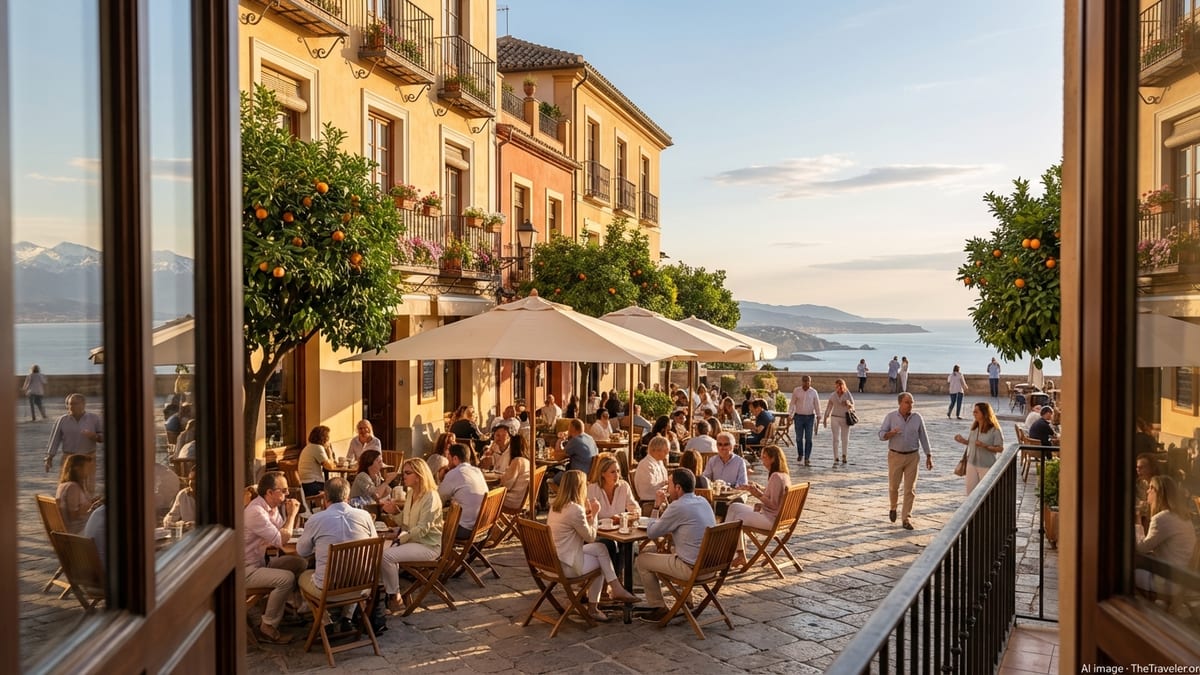
Spring and autumn are widely regarded as the most balanced times for a first or second visit. Across much of the country, daytime temperatures are generally mild, outdoor cafés buzz without being packed, and accommodation is easier to find than in the height of summer. These are strong months for city breaks, wine country trips and road journeys that combine several regions in one itinerary.
Summer is prime time for beaches, nightlife and big-name festivals, but it can be punishingly hot in inland cities and prices rise sharply in popular coastal areas and islands. Winter brings the best value for money in many destinations, along with Christmas lights, Three Kings parades and solid skiing conditions in the Pyrenees and Sierra Nevada, while the Canary Islands stay reliably warm when most of Europe is cold.
Because Spain is so diverse, choosing “the best time” is less about chasing a perfect month and more about matching your own travel style to where you plan to go. A quiet art-and-food weekend in Madrid, a family beach escape on Mallorca and a hiking trip in the Pyrenees all have very different ideal windows.
When Weather Matters Most
If comfortable temperatures are your top priority, the sweet spots for most visitors are usually April to early June and late September to October. In these months much of central and Mediterranean Spain tends to offer warm, sunny days and cooler evenings that suit sightseeing on foot and lingering at outdoor terraces. Heat is usually manageable away from the middle of the day, and many locals are back into their normal routines, giving cities a more authentic rhythm than at the height of summer.
Inland regions such as Madrid, Castilla-La Mancha and much of Andalusia can be extremely hot in July and August, with afternoon temperatures often high enough to make midday sightseeing uncomfortable. Travelers who tolerate heat poorly often plan their days carefully in summer, venturing out early and late while resting indoors during the afternoon. If you want to explore landmarks like the Alhambra in Granada, the Mezquita in Córdoba or Madrid’s major museums in relative comfort, the shoulder seasons are usually a better fit.
By contrast, northern Spain’s Atlantic fringe, including Galicia, Asturias, Cantabria and the Basque Country, is at its most consistently pleasant from roughly June to early September. Summers here tend to be cooler and sometimes cloudier than in the south, which is a welcome relief for travelers who find Mediterranean heat overwhelming. The trade-off is that the north can be wetter in spring and autumn, and conditions can change quickly between sunny coastal afternoons and breezy mountain evenings.
For travelers chasing winter sun, the Canary Islands stand apart. Their subtropical location off the northwest coast of Africa usually delivers mild temperatures through the colder months, making them a popular escape between roughly November and March. While short spells of wind or cloud are possible, the islands are one of the most reliable options in Spain for combining hiking, beaches and outdoor dining during the European winter period.
Timing Your Trip by Experience
Because “the best time to visit” varies so much by interest, it helps to start with what you most want to experience in Spain. A traveler focused on art galleries, architecture and food markets will choose different months from someone drawn to late-night beach clubs or mountain trails. Thinking in terms of experiences first, then slotting in regions and seasons, is often the most effective planning approach.
For classic city culture, including Madrid, Barcelona, Seville, Valencia and Bilbao, spring and autumn typically offer the best overall blend of weather, daylight and manageable visitor numbers. Museum lines are usually shorter than in midsummer, outdoor dining is still comfortable and locals are not yet away on long holidays. If you are drawn to long lunches, evening strolls and unhurried gallery visits, these in-between seasons tend to deliver a more relaxed feel.
If beaches and warm sea swimming are non-negotiable, the main window along the Mediterranean coast and Balearic Islands runs from roughly late May through September, with the water generally warmest in high summer. Travelers who want a quieter atmosphere often favor June and September, when resort areas are lively enough to feel fun but accommodation may be a bit easier to secure and daytime heat a little less intense than in peak July and August.
Outdoor enthusiasts planning hikes in the Pyrenees, Picos de Europa or other mountain ranges often gravitate toward late spring through early autumn, adjusting for altitude and snowmelt. April and May can still bring lingering snow to higher trails, while late September and October often combine stable weather, fewer hikers and rich autumn colors. Outside the hottest weeks, it is also an excellent time for walking long-distance routes such as sections of the Camino de Santiago.
Best Time for Budget Travelers and Crowd Avoiders
For visitors focused on value and quieter streets, the low season from roughly November to February, excluding major holiday weeks, can be very appealing. In many cities, hotel rates and airfares soften, popular museums and attractions are less busy during the day, and restaurant tables are easier to come by. This is particularly true in Madrid and Barcelona, which maintain lively cultural calendars throughout winter even as tourist numbers dip.
The trade-offs are shorter daylight hours, cooler temperatures and a higher chance of rain in some northern and Atlantic regions. In parts of the interior, mornings and evenings can be sharply cold, and some rural attractions may scale back opening hours. However, winter is also when Spanish cities showcase Christmas markets, festive lighting and the colorful Three Kings parades in early January, which can be especially atmospheric for families and travelers interested in local traditions.
For many crowd-averse visitors, the shoulder months just outside peak season are the real sweet spot. Late March, April, May, late September and October often deliver a meaningful drop in visitor numbers and prices compared with mid-summer, without the colder conditions of winter. Those months also see fewer local vacation closures than August, when many small, family-run businesses elsewhere in Europe and Spain itself may shut for part of the month.
If you hope to avoid clogged highways, packed trains and long queues at signature sights, it is usually wise to steer clear of Spanish school holidays, Easter week and the busiest weeks of August along the coast. Building flexibility into your dates, such as arriving midweek instead of a weekend, can further improve availability and pricing, particularly in major resort areas and island destinations.
Festivals, Events and the Best Time for Culture Lovers
Spain’s festival calendar is one of its biggest draws, but it can also reshape how towns and cities feel from one week to the next. Some travelers choose their dates to align with specific celebrations, while others prefer to avoid the busiest periods that drive up prices and strain local transport. Knowing which events fall when will help you match your tolerance for crowds to the right moment.
Spring is especially rich in major cultural events. Carnival celebrations break out in many cities around February, often with particularly elaborate parades in places such as Cádiz and some of the Canary Islands. March typically brings the spectacular fallas sculptures and nightly fireworks to Valencia, while Holy Week processions in the run-up to Easter are most intense in Andalusian cities such as Seville and Málaga. These events deliver powerful, immersive experiences but also draw heavy crowds and higher accommodation costs.
Summer is music festival season across much of Spain, with large gatherings often held from June through August. Cities including Barcelona, Madrid and Bilbao host multi-day events that bring big international acts, swelling visitor numbers and late-night street life. Coastal and island towns may stage local fiestas honoring patron saints, where residents fill the streets with music, food and fireworks. Travelers who thrive on energy and nightlife often target this period, while those who value quiet may prefer to visit either earlier in June or in September after the main festival wave has passed.
Autumn has its own cultural flavor, especially in Spain’s wine-growing regions. Late September and October typically mark harvest time in areas such as La Rioja and Ribera del Duero, when grape-picking, tasting events and local fiestas give visitors a close-up view of the country’s wine traditions. At the same time, cultural institutions in major cities ramp up new exhibition programs and concert seasons after the summer break, making this an excellent period for travelers interested in opera, classical music and contemporary art.
Regional Breakdown: Matching Destinations to Months
Spain’s regional diversity means that each area has its own ideal timing. Understanding those patterns can help you pair specific destinations with the months that suit them best, whether you are planning one focused trip or a multi-region itinerary.
Andalusia, which includes Seville, Córdoba, Granada and many famed white villages, is best enjoyed in spring and autumn if you plan to spend long days outdoors. April, May, October and early November typically offer warm but not extreme temperatures, making it easier to wander historic centers, visit palaces and sit in sunlit plazas. In midsummer, the same cities can become very hot in the afternoon, so visitors often shift to a slower rhythm with early sightseeing, long siestas and late-night outings.
The Mediterranean coast and Catalonia, including Barcelona, Valencia, the Costa Brava and the Costa del Sol, are very much shaped by the beach season. From roughly late May to September, resorts run at full speed, nightlife powers up and seaside promenades stay lively well into the night. Travelers seeking a more relaxed feel tend to pick the bookend months of this window, particularly May, June and September, when sea temperatures are still pleasant for most swimmers but crowds are somewhat lighter than at the height of summer holiday season.
Northern Spain, stretching from Galicia across Asturias and Cantabria to the Basque Country, has a gentler summer that is ideal for those who prefer cooler conditions. The best time for coastal walks, surfing, village exploring and mountain hikes is generally June through early September, when rainfall usually dips, days are long and temperatures are moderate. Outside this window, the region can still be rewarding but is more unpredictable, with a mix of sunny spells, showers and cooler evenings, so packing layers and waterproofs becomes more important.
Special Interests: Food, Wine, Hiking and Nightlife
Once you have a sense of when regions are at their best, fine-tuning your timing around particular passions can further improve your trip. Food-focused travelers might time visits for seasonal specialties, wine lovers for harvest, hikers for clear trails and festival-goers for nights that spill into the early morning.
For culinary travelers, autumn is especially rich, with markets across Spain filling up with mushrooms, game, chestnuts, citrus fruits and late-harvest produce. Wine regions hold tastings and food pairings that showcase local grapes alongside regional dishes, and cooler temperatures make long lunches more comfortable. Spring brings its own rewards, including fresh produce, outdoor market stands and seasonal dishes that coincide with Easter and regional festivals.
Hikers and pilgrims walking routes such as the Camino de Santiago often favor late spring and early autumn. These windows generally combine milder daytime temperatures, decent daylight and fewer fellow walkers than peak summer. In high summer, some stretches can be very warm, particularly inland, which encourages very early starts and longer midday breaks. In winter, parts of higher routes may be affected by snow or rain, so planning is more complex and gear requirements are heavier.
Nightlife lovers and party-focused travelers tend to prioritize late spring through early autumn for cities and islands famous for clubs, live music and late hours. Coastal hotspots and the Balearic Islands usually see their most intense nightlife aligned with the broader beach season, with opening and closing weekends for clubs clustered around late spring and early autumn. Visitors who still want vibrant evenings but a little more breathing room often target June and September rather than the absolute peak of summer.
The Takeaway
There is no single “best time” to visit Spain, only the best time for the trip you have in mind. Understanding how weather, crowds, prices and festivals shift across the calendar lets you choose a window that plays to your priorities instead of working against them. Spring and autumn are strong all-rounders for many first-time visitors, while summer excels for beaches and nightlife, and winter rewards budget-conscious travelers and culture lovers who do not mind cooler days.
If you picture long, leisurely city strolls and outdoor café culture, anchor your plans in the shoulder seasons. If your dream is warm sea, buzzing promenades and late-night fiestas, lean toward the heart of summer along the coasts and islands. For quieter museums, lower prices and festive lights, sketch your itinerary between late November and February, perhaps with a side trip to the Canary Islands for extra warmth.
By deciding early what you want most from Spain and then working backward to the ideal month and region, you can transform a generic visit into a trip tailored to your own tastes. Spain offers something compelling in every season; the key is choosing the moment that matches your version of the perfect journey.
FAQ
Q1. What is the overall best month to visit Spain for most travelers?
There is no single perfect month, but many travelers find May and October offer the best balance of pleasant weather, moderate crowds and reasonable prices across much of the country.
Q2. When is the best time to visit Spain for warm beaches and swimming?
For reliably warm sea temperatures and lively coastal towns, aim for late June through early September, with June and September often slightly less crowded than July and August.
Q3. Which months are best for a cultural city break in Madrid or Barcelona?
April, May, late September and October are usually ideal for city breaks, with comfortable daytime temperatures, active cultural calendars and fewer visitors than in midsummer.
Q4. When should budget travelers visit Spain to find lower prices?
Budget-conscious travelers typically do best between November and early March, avoiding Christmas, New Year and Easter weeks when demand and prices temporarily rise.
Q5. What is the best time to visit Andalusia without extreme heat?
To explore Andalusia’s cities and villages comfortably, prioritize March to early June and October to early November, when days are generally warm but not overwhelmingly hot.
Q6. When is the best time to hike in Spain, including parts of the Camino de Santiago?
Late April through June and September through October are often preferred for hiking, including sections of the Camino, thanks to milder temperatures and fewer crowds than in peak summer.
Q7. Which months should I avoid if I dislike crowds and heat?
If you are sensitive to both crowds and high temperatures, it is wise to avoid July and August in much of inland and Mediterranean Spain, as well as Easter week in major Andalusian cities.
Q8. When is the best time to visit Spain’s wine regions?
September and October are particularly rewarding in wine regions, when grape harvests and related festivals give visitors an up-close look at winemaking traditions alongside tastings.
Q9. What is the best time of year for nightlife and festivals?
Late spring through summer, roughly from May to September, is prime time for large music festivals, coastal nightlife and local fiestas, especially in major cities and resort areas.
Q10. When should I visit the Canary Islands for winter sun?
The Canary Islands are popular from November through March with travelers seeking milder weather, making this period a strong choice for combining outdoor activities with a break from colder climates elsewhere.