

More news on this day
Across Kenya’s savannahs, a quieter kind of safari is taking shape as community conservancies, eco-lodges and conscious travelers push wildlife tourism toward a more ethical future.
Get the latest news straight to your inbox!
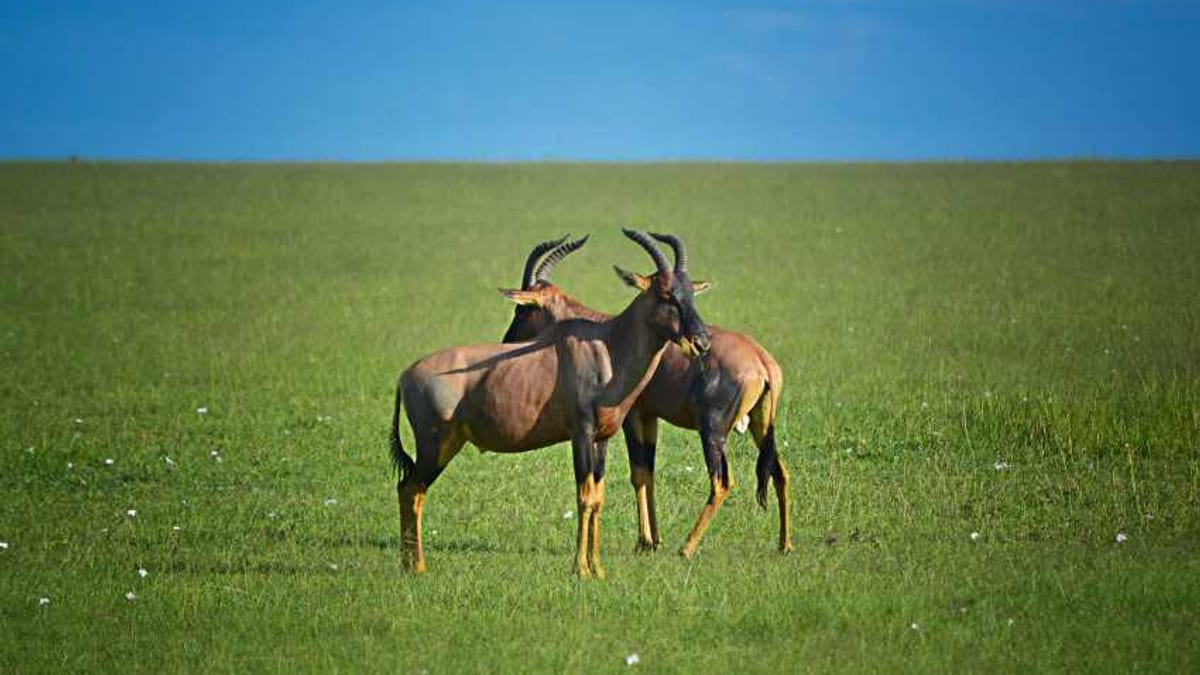
Image by Travel and Tour World – Tourism, Airline, Destination, MICE, Gobal Travel Market, Hotel news that you will find only over here.
Kenya’s Shift From Hunting to Photographic and Ethical Safaris
Kenya’s modern conservation landscape was shaped in 1977, when the country introduced a nationwide ban on sport hunting. Publicly available historical coverage shows that the ban ended trophy hunting and pushed the tourism economy toward photographic safaris, helping Kenya market itself as a safe haven for iconic species and a flagship destination for big game viewing.
Contemporary analyses of Kenya’s wildlife policies indicate that the hunting ban, combined with the country’s visible stance against the ivory trade, laid the groundwork for today’s emphasis on non-consumptive wildlife experiences. The resulting system ties the economic value of wildlife to visitors who come to see animals alive in functioning ecosystems rather than as trophies, creating strong incentives to keep habitats intact.
At the same time, recent reports highlight a more complex reality. Wildlife numbers have declined in parts of the country due to land fragmentation, climate pressures and human population growth, even as tourism revenue has increased. This tension is driving a new wave of reforms and investments that seek to ensure that safaris are not only non-hunting, but also genuinely ethical in how they treat animals, landscapes and neighboring communities.
As a result, the conversation in 2026 is no longer simply about banning hunting. It has shifted toward how Kenya can redesign its wildlife tourism model so that every game drive, lodge and park fee contributes measurably to conservation and to the people who share their land with wildlife.
Community Conservancies Put Local People at the Center
One of the most significant developments in Kenya’s tourism economy is the expansion of community conservancies, particularly around the Maasai Mara and across northern rangelands. Data summarized in recent conservancy reports and international briefings indicate that more than 160 conservancies now operate in Kenya, hosting a large share of the country’s wildlife and serving as critical buffer zones around national parks and reserves.
In the Greater Mara ecosystem, the conservancy model allows Maasai landowners to lease their plots to a jointly managed wildlife area, in return for guaranteed monthly payments and jobs linked to low-volume tourism. Information from conservancy associations describes this as a three-way partnership, in which communities, tourism operators and conservation groups share responsibility for protecting habitat, managing grazing and monitoring wildlife.
Research and field updates suggest that community conservancies can outperform traditional protected areas on some measures of coexistence, because residents have a direct financial stake in wildlife survival. In parts of the Maasai Mara, surveys have found that a high proportion of key species now spend significant time in conservancies rather than in the central reserve, attracted by lower vehicle densities and more intact habitat mosaics.
However, community-based tourism is not a simple success story. Kenyan media, academic work and public debate point to disputes over land rights, transparency and benefit-sharing, with some communities questioning whether all conservancies deliver on their promises. Court rulings and advocacy campaigns in northern Kenya highlight the importance of free, prior and informed consent when new conservation and tourism projects are created on communal land.
Eco-Lodges and Low-Impact Safaris Redefine the Luxury Experience
On the ground, ethical tourism in Kenya is increasingly visible in the way lodges are designed and operated. Recent travel industry coverage showcases a new generation of eco-luxury camps across the Maasai Mara, Laikipia and coastal regions that emphasize renewable energy, limited room numbers and strict vehicle codes to reduce stress on wildlife.
Many of these properties advertise solar power systems, rainwater harvesting, plastic-free operations and on-site waste treatment as core features rather than optional extras. Some camps in Kenya’s conservancies are marketed as carbon-neutral or close to it, with operators purchasing verified offsets after cutting emissions through technology and more efficient logistics. For visitors, this translates into a quieter, lower-impact stay that still offers high levels of comfort.
Ethical operators are also altering the pace and style of game viewing. Industry guidelines and lodge policies increasingly call for fewer vehicles at each wildlife sighting, no crowding of predators or hunting scenes, and the use of off-road driving only under tightly controlled conditions. Marketing materials and traveler reports describe longer, slower game drives that prioritize observing natural behavior over ticking off a checklist of species.
This repositioning is reshaping the meaning of luxury on safari. Instead of high-density lodge developments near migration hotspots, the new benchmark is exclusivity defined by space, silence and intact habitat, with robust conservation and community programs integrated into the guest experience.
Tourism Revenue Becomes a Conservation and Community Lifeline
Wildlife-based tourism is a central pillar of Kenya’s wider economy, with national statistics and tourism board summaries showing that travel and tourism contribute hundreds of billions of Kenyan shillings to GDP each year. Within that total, safari tourism generates park fees, conservancy lease payments, guiding jobs and procurement contracts for local businesses from transport to handicrafts.
Recent state of conservancy reports for Kenya emphasize that tourism is the primary source of cash income for many community conservancies. Revenues from conservancy fees and lodge concessions are used to fund ranger teams, pay land leases, support schools and clinics, and provide emergency funds during droughts. In some northern and Maasai Mara conservancies, publicly available accounts show that community development spending now rivals or exceeds direct conservation costs.
The pandemic years exposed how vulnerable this model can be when international travel collapses. Kenyan analyses of the 2020 to 2021 period describe severe funding shortages for conservancies and protected areas, prompting emergency appeals and new efforts to diversify income through domestic tourism, conservation trust funds and carbon finance. Those experiences have added urgency to ongoing reforms aimed at building a more resilient wildlife economy.
As global travel rebounds, ethical tourism practices are increasingly seen as risk management, not just marketing. Operators that can demonstrate verified community benefits and measurable conservation outcomes are better positioned to attract conscious travelers, philanthropy and impact investment, helping to stabilize funding for Kenya’s wildlife landscapes.
Travelers Drive Demand for a More Ethical Safari
Shifting expectations among visitors are helping to cement ethical wildlife tourism as the future of travel in Kenya. Online trip reports, booking trends and travel media coverage point to rising demand for smaller camps, privately managed conservancies and operators with clear conservation and community credentials.
Travelers planning Kenya safaris now routinely ask how many vehicles a lodge allows at sightings, whether guides are trained to avoid disturbing animals, and what proportion of fees reaches local landowners or community projects. Many travel advisors and specialist operators respond by steering first-time visitors away from the most congested parts of popular reserves toward conservancies and lesser-known landscapes where visitor numbers are capped.
Discussions around controversial lodge developments in sensitive migration corridors illustrate how far expectations have moved. Widely shared commentary criticizes projects viewed as out of scale with their surroundings or poorly aligned with community priorities, arguing that they risk undermining the very ecosystems that draw visitors. In this environment, transparency about environmental impact assessments, land agreements and long-term conservation commitments is becoming a competitive advantage.
As Kenya refines its tourism policies and land use plans, the choices made by visitors, tour companies and investors will help determine whether the conscious safari remains a niche or becomes the default way to experience the country’s wildlife. For now, the rapid growth of community conservancies, eco-lodges and informed travelers suggests that ethical wildlife tourism is moving steadily from the margins toward the center of Kenya’s safari industry.