

More news on this day
Charleston’s long-anticipated Cooper Hotel has opened on the city’s historic waterfront, delivering the peninsula’s first luxury harborfront stay and reshaping public access, dining, and events along the Cooper River.
Get the latest news straight to your inbox!
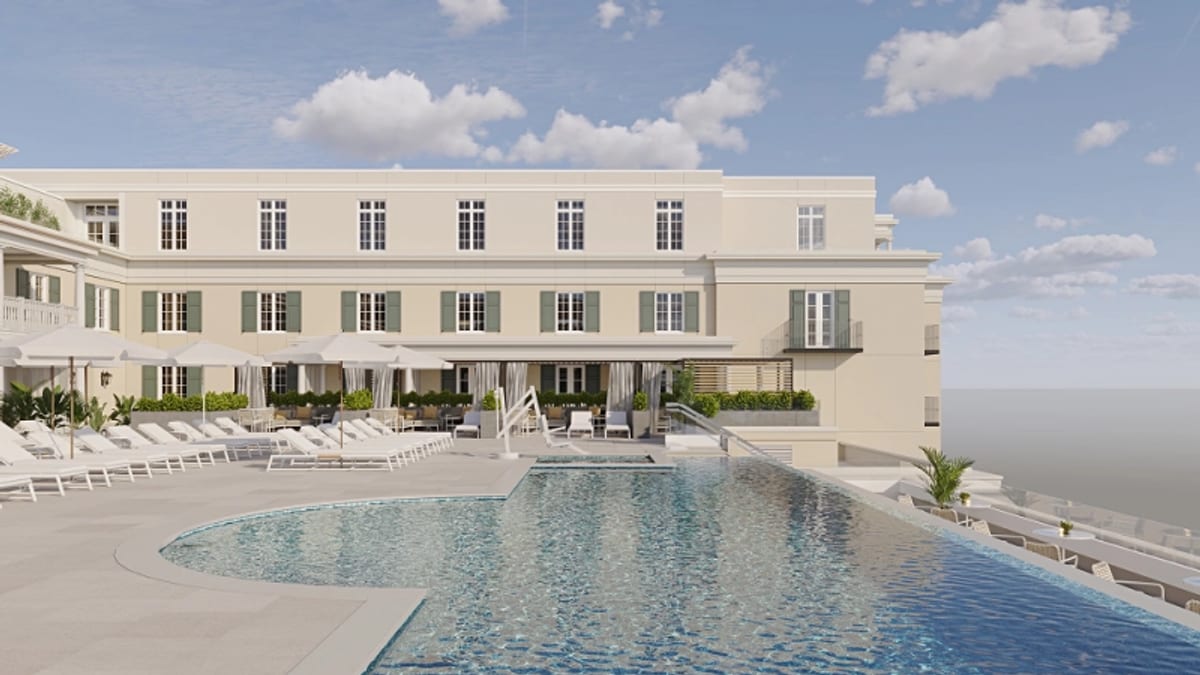
Image by Telegraph - Travel
A New Landmark on the Charleston Waterfront
The Cooper Hotel stands at 176 Concord Street beside Waterfront Park, on a site that has been under transformation for years as Charleston reimagines its working waterfront for visitors and residents. Reports indicate the 191 room property is now welcoming guests as the only luxury hotel situated directly on the downtown harborfront.
Publicly available information shows that the hotel is positioned between Charleston Waterfront Park and the Union Pier redevelopment corridor, giving it unobstructed views across Charleston Harbor toward the Arthur Ravenel Jr. Bridge and Mount Pleasant. The setting places guests within a short walk of the French Quarter, the City Market, and some of the city’s most visited historic streets.
The opening is being framed in local coverage as a pivotal moment in the evolution of downtown’s eastern edge. After years dominated by port operations and surface parking, this stretch of the Cooper River is now emerging as a polished extension of the city’s visitor core, with The Cooper Hotel as its visual and experiential anchor.
Early reports from travel and hospitality outlets describe a contemporary coastal design that nods to Charleston’s traditional architecture while maximizing glass, balconies, and outdoor terraces to highlight the water. At night, the hotel’s facade and marina lighting are already becoming a new focal point on the harbor skyline.
Design, Amenities, and Harborfront Experiences
Development materials indicate that The Cooper offers roughly 20,000 square feet of indoor and outdoor event space, including a grand ballroom and flexible meeting rooms designed to attract weddings, galas, and corporate gatherings. Many of these spaces open directly onto terraces that face the harbor, creating a rare large scale event venue with open water views on the peninsula.
The hotel’s amenities are positioned to compete at the top tier of the regional luxury market. Plans outlined ahead of opening describe a full service spa and fitness center of about 7,000 square feet, an infinity edge pool overlooking the harbor, and a mix of bars and lounges intended to serve both overnight guests and local visitors. Several food and beverage concepts, including a casual walk up option facing Waterfront Park and more formal dining rooms upstairs, are being promoted as new reasons for residents to visit the water’s edge.
One of the hotel’s most distinctive features is its private marina, envisioned as a gateway to the harbor for leisure excursions and small group events. Public information highlights a signature yacht and smaller day boats available for charters, sunset cruises, and private functions. This element aligns the property with a growing trend in coastal destinations, where luxury hotels pair room product with curated on the water experiences.
Inside, room designs appear to blend neutral coastal tones with large windows and, in many cases, balconies that bring in views of the harbor, the park, or the downtown skyline. Industry coverage notes that a significant share of the inventory is configured as suites, positioning the hotel to appeal to longer leisure stays, multi generational trips, and high end group business.
Public Access, Community Impact, and Waterfront Activation
Beyond its guest offering, The Cooper Hotel is emerging as a significant public access project along the Cooper River. Local commentary and earlier planning documents point to extended waterfront walkways that connect more seamlessly with the existing paths of Waterfront Park, effectively lengthening the riverfront promenade available to the general public.
Observers in Charleston’s civic and neighborhood circles have described the opening as the moment when a once isolated corner of the harbor becomes fully integrated into the pedestrian fabric of downtown. With new paths, seating areas, and ground floor food options opening toward the park, the hotel’s arrival is expected to increase foot traffic and activity on a section of waterfront that previously quieted after dark.
At the same time, resident discussions highlight familiar concerns that accompany any major hospitality project in the city’s historic core. Commenters have raised questions about added congestion along Concord Street, the scale of events that the ballroom and marina might attract, and the broader influence of luxury development on housing affordability and neighborhood character in and around the French Quarter.
According to published coverage, city planning for the site has included negotiations around public access, view corridors, and integration with future phases of the Union Pier redevelopment. How these elements perform now that the hotel is operational will likely shape ongoing debates about the pace and form of waterfront change in Charleston.
Positioning in Charleston’s Evolving Luxury Market
The debut of The Cooper comes as Charleston continues to rank among the most visited small cities in the United States, with demand for upscale rooms remaining strong across peak travel seasons and major festivals. Industry analysts note that the city’s hotel landscape has grown steadily inland from the harbor, but until now lacked a modern luxury flagship directly on the downtown waterfront.
By combining a resort style amenity mix with a central urban location, The Cooper is positioned to compete not only with established high end properties around King Street and lower Meeting Street, but also with resort hotels across the harbor in Mount Pleasant and on nearby islands. The water focused setting, marina access, and panoramic harbor views differentiate it within that field.
Travel publications are emphasizing the hotel in lists of notable new openings for 2026, which is expected to further elevate Charleston’s visibility among luxury travelers. Packages centered on harbor cruises, spa experiences, and culinary programming are being marketed as key draws for visitors who may already be familiar with the city’s history and restaurant scene.
For local tourism stakeholders, the opening offers an additional venue capable of handling high value group business, from incentive trips to board retreats. The combination of meeting space, waterfront ambiance, and walkability to historic attractions is likely to feature prominently in future bids for regional and national events.
What The Cooper’s Opening Signals for the Future Harborfront
The arrival of The Cooper Hotel is widely seen as a preview of broader changes coming to Charleston’s eastern shoreline. With the long discussed Union Pier redevelopment still moving through planning channels, the successful integration of this project into the city’s public realm may serve as an informal benchmark for what residents, businesses, and visitors expect from future phases.
Urban design advocates will be watching how the new waterfront paths, public facing restaurants, and marina activity function through the busy spring and summer seasons. The level of day to day access preserved for non guests, and the way the hotel’s ground floor engages with the park and surrounding streets, are likely to inform public responses to subsequent proposals along the harbor.
For now, the opening marks a rare moment when a major new building on the peninsula steps directly to the edge of the water rather than turning inward. As locals and visitors begin to explore the terraces, docks, and promenades that surround the property, Charleston’s relationship with its harborfront enters a new and closely watched chapter.