

More news on this day
A newly updated worldwide security alert from the United States government is reshaping the risk map for American travelers, spotlighting a cluster of countries where threats from conflict, terrorism, state fragility and organized crime have pushed official warnings to their highest levels.
Get the latest news straight to your inbox!
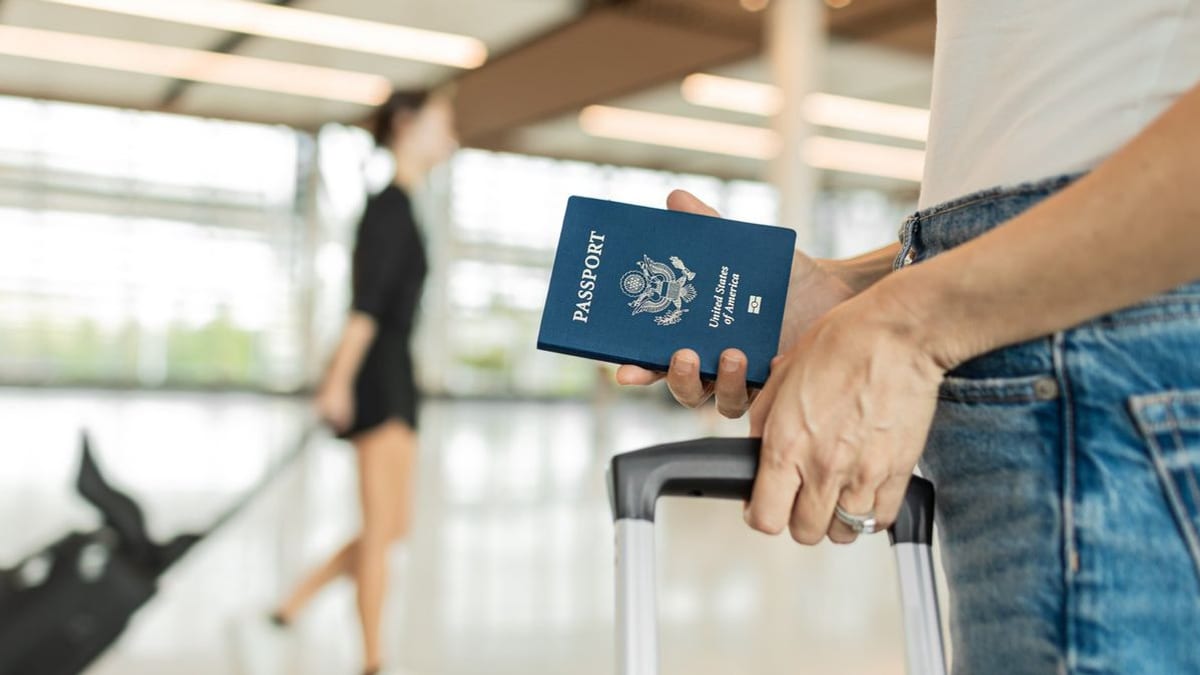
Image by UNILAD
Worldwide caution raises the global risk baseline
The U.S. government refreshed its Worldwide Caution on March 22, 2026, citing elevated global security risks linked to ongoing U.S. and Israeli military operations against Iran and a wave of retaliatory actions across the Middle East and beyond. Publicly available information indicates that the alert urges Americans everywhere to exercise increased vigilance, be prepared for potential disruptions to air travel and remain alert to the possibility of attacks on U.S. interests overseas.
According to published guidance, the Worldwide Caution is separate from country-specific advisories, but it effectively raises the baseline of concern for any international trip. American citizens are encouraged to pay closer attention to local security developments, be aware of demonstrations or unrest that may flare in response to events in the region and factor in the possibility of sudden changes in security posture around diplomatic facilities and transport hubs.
Analysts note that this global alert comes on top of an already complex advisory landscape in which several destinations carry Level 4 “Do Not Travel” warnings, while others are shifting into higher-risk categories as tensions and violence escalate. For travelers, that means not only checking whether a destination is technically open, but also weighing how quickly conditions could deteriorate in the event of further regional shocks.
Level 4 hotspots: countries Americans are urged to avoid
Recent compilations of State Department advisories show that a core group of countries sit at Level 4, the highest warning category in the U.S. system. These destinations include long-running crisis zones such as Yemen, Somalia and Syria, where active conflict, terrorism and the collapse of basic services make travel particularly hazardous for foreign visitors, including Americans.
Other countries on or near the Level 4 list illustrate how political instability, criminal violence and sanctions can combine to create a hostile environment for tourism. Published travel risk coverage frequently highlights Russia and Ukraine, where ongoing war and military mobilization have led to unpredictable security conditions, and Haiti, where gang control of major urban areas has severely limited movement, disrupted commercial flights and raised the risk of kidnapping.
Travel industry briefings also point to countries such as Venezuela, Sudan, Mali, Iran, North Korea and Libya among those flagged at Level 4 in early 2026, reflecting a mix of internal conflict, state repression, terrorism and restricted consular access. In many of these places, the capacity of local authorities to protect visitors is limited, and U.S. consular assistance may be constrained or unavailable if an emergency arises.
These Level 4 advisories do not constitute legal bans on travel, but they underscore that Americans who choose to visit these countries may face “unprecedented hazards,” in the words of one recent travel trade analysis, from arbitrary detention and landmines to targeted attacks on foreign nationals. Travel insurance coverage may also be restricted or voided for destinations under the highest warning levels.
Middle East flashpoints under new scrutiny
The Middle East is now at the center of the updated risk picture for Americans abroad. After coordinated U.S. and Israeli strikes on strategic targets in Iran on February 28, 2026, and subsequent Iranian retaliation, security analysts report a heightened danger of attacks on U.S. facilities and citizens across the region. The Worldwide Caution specifically urges increased vigilance for those in or near Middle Eastern countries.
Country-by-country advisories for the region reveal sharply elevated risk levels in several destinations. Iraq, Syria and Yemen remain at or near Level 4, reflecting active conflict and the presence of armed groups hostile to the United States. Lebanon and parts of Israel and the Palestinian territories are also widely described in media coverage as volatile, with periodic missile fire, cross-border strikes and sudden closures of airspace that can strand travelers or expose them to indirect fire.
Reports also indicate that Gulf states once perceived as relatively stable are facing new pressure. Coverage of recent advisory changes notes that Saudi Arabia, Bahrain, Kuwait and Oman have seen their risk classifications move higher, in some cases into Level 3 “Reconsider Travel” territory, as authorities factor in proximity to potential Iranian retaliation, the presence of Western military facilities and the risk of opportunistic attacks on crowded public spaces frequented by foreigners.
Specialist security bulletins for Americans in the Middle East emphasize practical steps rather than panic, including avoiding protest sites and sensitive government or military locations, monitoring local news and official alerts, and maintaining contingency plans for rapid departure if commercial flights are disrupted by further strikes or airspace closures.
Crime, cartels and subnational danger zones in Mexico
While Mexico’s national advisory level is currently described by travel risk services as comparable to major European countries, regional variation inside the country has led to a patchwork of warnings that are particularly relevant for U.S. visitors. Several Mexican states along key trafficking routes carry Level 4 “Do Not Travel” designations because of extreme levels of cartel violence, kidnapping and armed clashes.
Recent explainers for American travelers list states such as Colima, Guerrero, Michoacán, Sinaloa, Tamaulipas and Zacatecas among the locations where the U.S. government advises against all travel. These areas have seen repeated confrontations between security forces and criminal organizations, roadside ambushes, carjackings and the use of improvised roadblocks, which can place uninvolved motorists and tourists at risk.
In late February 2026, U.S. coverage of Mexico travel highlighted fresh warnings tied to a high-profile operation against a major cartel leader, which triggered days of retaliatory violence and prompted renewed calls for travelers to reconsider nonessential trips and stay on high alert if already in-country. Public information from consular sources has urged Americans to avoid driving at night, stay away from isolated highways and limit travel to well-secured tourist zones when possible.
The subnational nature of Mexico’s advisory structure has led some travel risk analysts to urge Americans to read advisories state by state rather than treating the country as a monolith. For spring breakers and resort visitors, that means distinguishing between heavily policed coastal enclaves and interior regions where state authority is more contested and emergency response may be delayed.
How travelers can interpret the new warning landscape
For Americans planning overseas trips in 2026, the combination of a Worldwide Caution and an expanded roster of high-level country advisories creates a more complicated decision-making environment. Travel risk experts advise treating Level 4 destinations as places to avoid unless there is a compelling reason to go, and carefully weighing Level 3 “Reconsider Travel” locations, especially where tensions could spill over from nearby conflicts.
Observers also emphasize that advisory levels are only one part of the picture. Within countries at lower levels, such as Level 1 or 2, localized spikes in crime, political unrest or natural disasters can still create acute dangers. Conversely, some Level 3 countries may have relatively secure business districts or tourist zones where risk is lower, though still above what many leisure travelers are willing to accept.
Published guidance consistently encourages Americans to register their trips with official traveler enrollment services, keep copies of key documents, share itineraries with family or friends and maintain flexible plans that can adapt to sudden changes in flight schedules or local security restrictions. Basic precautions such as avoiding public demonstrations, limiting alcohol use in unfamiliar environments and using reputable transport providers can significantly reduce exposure to opportunistic crime.
As the advisory map continues to evolve in response to geopolitical shocks, travelers are being urged by industry analysts to check risk information more frequently, including in the final days before departure. For Americans headed abroad this year, understanding which countries are currently viewed as most dangerous is becoming a critical part of planning, rather than an afterthought once tickets are already booked.