

Italy is rarely a “cheap” destination, but as airfares, hotel rates and restaurant bills continue to creep upward, the question for many would-be visitors is not whether it is beautiful but whether it is still affordable. The answer in early 2026 is that Italy can be surprisingly expensive in the major cities and resort areas, while remaining relatively good value in smaller towns, especially if you understand where prices have climbed fastest and how locals are stretching their own euros.
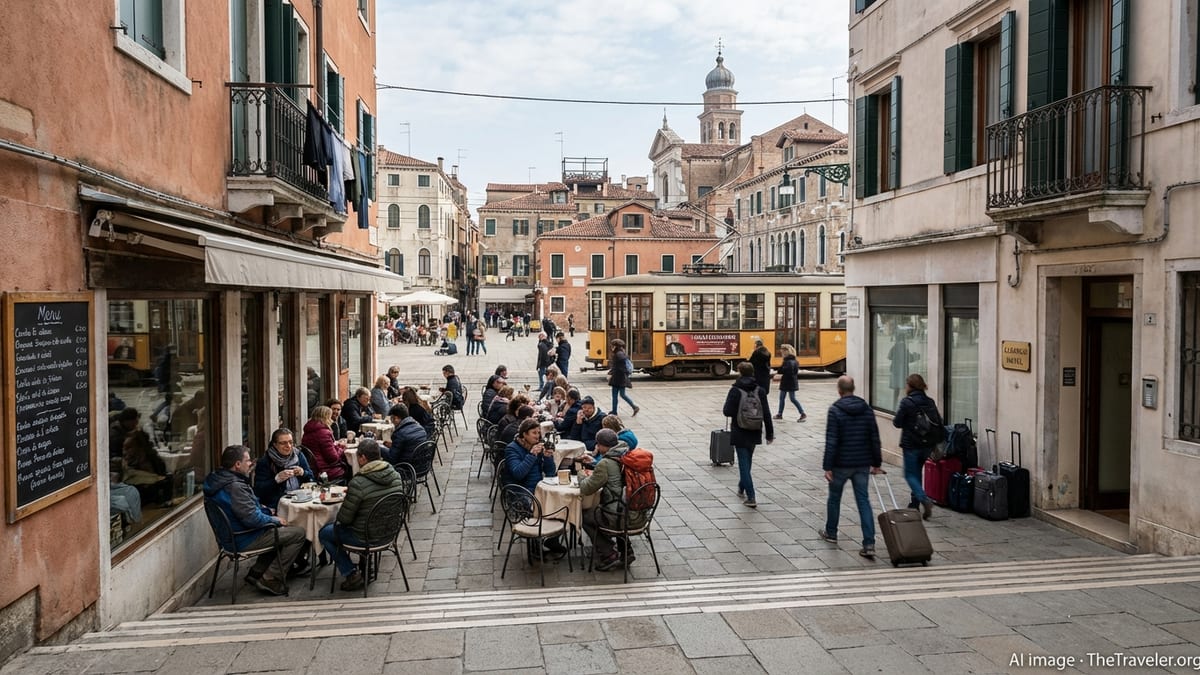
How Prices Have Changed for Travelers in Italy
Over the past few years, Italy has seen the same mix of higher demand, staff shortages and inflation that pushed up travel costs across much of Europe. Airfares to Italian gateways like Rome, Milan and Venice remain volatile, but many routes are noticeably pricier than they were before the pandemic, particularly in peak season from May through September. Within Italy, competition from low cost airlines and high speed trains has kept base fares somewhat reasonable, yet extra fees and dynamic pricing mean that travelers who book late often pay substantially more than those who plan ahead.
Accommodation has felt the sharpest and most visible increase. In cities such as Rome, Florence, Venice and along the Amalfi Coast, hotel and short term rental rates during popular months now routinely sit well above what midrange travelers might remember from only a few years ago. Part of this reflects strong international demand, but it is also tied to rising energy costs, higher wages and local regulations that have reduced the number of legal short stays in some historic centers. The result is that the same budget now buys a simpler or smaller room in many famous areas.
Everyday expenses have crept up too, though usually in smaller increments that are easy to miss until you add them together. A typical coffee and pastry, a casual trattoria meal, a bus ticket or a gelato may only cost a little more than before, but across a week or two those extra euros accumulate. Travelers who last visited before 2020 often notice that their money no longer stretches as far, especially if they rely on prices they remember rather than what is actually posted on menus and ticket boards today.
Despite this, Italy still offers a wide range of price points. Away from the most famous districts, many smaller cities and rural areas remain comparatively affordable, and off season travel can bring costs down sharply. The real difference in 2026 is that location, timing and flexibility matter more than ever when it comes to controlling what you spend.
Accommodation: From Guesthouses to High End Hotels
The single biggest factor in most Italy travel budgets is accommodation. In iconic centers like Rome’s historic core, the heart of Florence around the Duomo, and Venice’s San Marco and Rialto districts, nightly rates at three star hotels that once felt midrange now edge toward premium levels in spring and autumn, and can climb significantly higher in July and August. Simple guesthouses and bed and breakfasts are still available, but they often sell out early for popular dates, leaving late bookers with only more expensive or less convenient choices.
Short term rentals have changed the equation but are no longer the bargain they used to be. In cities that have tightened registration and tax rules, hosts have passed some of those costs to guests, and cleaning and service fees can add a substantial amount to what may look like an attractive nightly rate at first glance. For couples or solo travelers staying only a few nights, a traditional hotel or pensione can still be the better value once you factor in breakfast, luggage storage and reception services.
In contrast, secondary cities and smaller towns can offer notable savings. Places like Bologna, Turin, Lecce, Bari or regional hubs in Emilia Romagna and Piedmont often have comfortable midrange hotels at prices that feel more forgiving, even in busy months. On the coasts, moving a few kilometers away from a famous beach or cliffside village often cuts room rates dramatically, sometimes with only a short train ride or bus trip separating you from the best known sights.
Seasonality is crucial. Between November and March, except for Christmas, New Year and carnival periods, many urban hotels reduce rates to attract visitors, though some resort hotels close entirely. During these quieter months, travelers can often afford higher quality properties in prime locations for what a more modest room might cost in May or September. The trade off is shorter daylight hours, cooler or wetter weather and, in smaller towns, reduced services.
Food, Drink and the Real Price of Eating Like a Local
Italy’s food culture remains one of its greatest pleasures, and it can still be relatively affordable if you eat as locals do. The gap between tourist oriented menus and neighborhood spots, however, has widened. In the most visited historic centers, some restaurants have significantly raised prices for pastas, seafood and grilled dishes, particularly in areas with heavy foot traffic and scenic views. Coperto, the per person cover charge that appears on many bills and covers bread and table service, is still legal and common and can add several euros per person to the total.
On the other hand, stand up coffee at a bar, simple panini, bakery lunches and take away pizza by the slice have remained comparatively good value, especially if you avoid the most famous plazas. Sitting at a table in a prime piazza for a cappuccino or spritz will often cost several times more than at a counter just a street or two away, largely due to higher service charges and location premiums. Travelers who are willing to step away from the main squares usually find more transparent pricing and a mix of locals and visitors.
Wine and aperitivo culture also offer room for savings or splurges. A glass of local house wine in a family run trattoria can still be modestly priced, while cocktails in fashionable rooftop bars or along trendy canals in cities like Milan and Venice can come with a premium comparable to other major European capitals. Apericena, a style of aperitivo that includes substantial snacks or a buffet, remains popular in some cities and can nearly substitute for a light dinner, which may help stretch a daily food budget.
Travelers with dietary restrictions or a preference for international cuisines should be prepared for mixed pricing. Vegetarian and gluten free options are increasingly available, especially in larger cities, but specialty items and foreign cuisines often cost more than straightforward local dishes. As always, checking menus and prices before sitting down, and being clear about what is included, helps avoid surprises when the bill arrives.
Transport: Trains, Local Transit and Getting Around
Italy’s rail network remains one of the country’s best values, particularly for travelers comfortable booking advance tickets. High speed trains linking Rome, Florence, Venice, Milan, Naples and other major cities use dynamic pricing that rewards early planning, with fares rising closer to departure on busy routes and times. Slower intercity and regional trains are generally cheaper but take longer and can be more crowded at commuter hours. For many itineraries, the cost difference between classes of service can be modest on off peak departures, but substantial on popular weekend and holiday trains.
Within cities, public transport is still relatively affordable compared with taxis or ride hailing services. In Rome, the standard urban ticket for metro, buses and trams remains around the price point that many returning visitors will remember, valid for a fixed period from validation and covering transfers within the city limits. Multi day passes provide better value for travelers who expect to use public transport frequently, while those staying in compact historic centers may find that they walk most of the time and only need occasional single tickets.
Taxi fares in Italy are regulated but can feel high, particularly for short trips where starting charges and surcharges make up much of the bill. In cities with limited ride hailing options, late night or early morning journeys, or transfers to airports and outlying train stations, can add a noticeable amount to a daily spend. Prearranged transfers are convenient but often priced for comfort rather than savings. As always, confirming whether a fare is fixed or metered before departure avoids misunderstandings.
Car rental costs have eased somewhat since the sharp spikes seen immediately after pandemic travel restarted, but they remain influenced by seasonal demand, insurance requirements and limited automatic transmission fleets. Fuel prices in Italy are generally higher than in North America, tolls on major highways add up quickly, and parking in historic centers can be both expensive and hard to find. For many visitors, a mix of trains and occasional regional buses or private transfers proves both cheaper and less stressful than driving, particularly in peak season.
Museums, Attractions and New Tourist Fees
The cost of sightseeing in Italy has risen in step with demand and maintenance needs, especially at world famous sites that face heavy wear. Many major museums and archaeological areas have adopted variable or seasonal pricing. Popular attractions in Rome, Florence and Venice often charge more during peak months and for skip the line or timed entry tickets. Combined tickets and city passes can offer savings, but they are most effective for travelers who plan a dense schedule of paid sights rather than a slower, more selective pace.
A newer element in the real cost of travel is the spread of special municipal fees aimed at managing tourism. One of the most visible examples is Venice’s day tripper charge for visitors entering the historic center without an overnight stay on selected high traffic days each year. For 2025 this access fee applies on dozens of dates from April through July, typically Fridays, weekends and public holidays. Travelers who register several days in advance pay a lower amount per person, while last minute bookings cost more, and failure to comply can result in fines. Overnight guests already pay a separate nightly lodging tax instead of the day access fee.
Overnight accommodation taxes are now common in many Italian cities and resort destinations. These per person, per night charges vary depending on the category of accommodation and the municipality, with higher amounts typically levied on upscale hotels and centrally located properties. They are usually collected separately from the room rate and must be paid in cash or by card at check in or check out. While the nightly amount is not extreme, it adds up over longer stays, especially for families or groups, and should be part of any realistic budget estimate.
Some coastal and alpine areas have also introduced local environment or sustainability contributions, either included in the accommodation tax or collected separately, to fund services such as beach cleaning, trail maintenance or waste management in small communities. These fees are rarely large on their own but underscore the broader trend: Italian destinations are increasingly asking visitors to share more directly in the costs of preserving the very places they come to enjoy.
Regional Differences: North vs South, Cities vs Small Towns
One of the most important truths about the cost of traveling in Italy is that it is not uniform. Broadly speaking, the industrial north and the most internationally famous cities and coasts carry the highest prices, while many parts of the south and interior remain more affordable. Milan, Venice, Florence and the central districts of Rome have price levels that often feel closer to Paris or Barcelona, particularly for accommodation and dining in fashionable areas. By contrast, inland regions in Umbria, Abruzzo, Basilicata and parts of Puglia can feel markedly gentler on the wallet, especially outside the most promoted beach towns.
Within a single region, moving just a few train stops can transform the budget picture. On the Ligurian coast, for example, staying in a less famous town near the Cinque Terre rather than in one of the five villages themselves typically lowers nightly rates and restaurant bills. In Campania, choosing a base in Salerno or inland rather than directly on the Amalfi Coast can provide good rail and bus connections for day trips while avoiding the steepest hotel prices. In Sicily and Sardinia, major resort enclaves command premium rates, while inland baroque towns and smaller coastal communities often offer better value for similar quality.
The divide between city and countryside also shapes costs. Rural agriturismi, or farm stays, can still offer excellent value, particularly when they include breakfast and evening meals using local produce. These properties may require a car, but for travelers who plan to slow down in one area, the combination of lodging, food and setting can compare favorably to a city hotel once all expenses are considered. On the other hand, logistics to and from remote areas, including occasional splurges on taxis or private transfers when public transport is sparse, can erode those savings if not anticipated.
Even within big cities, neighborhood choice matters. Districts just outside the most touristed cores tend to feature more everyday shops, markets and cafes where prices cater to residents, not just visitors. Staying a metro or tram ride away from the postcard center can mean lower hotel rates and cheaper daily spending on food and small purchases, at the cost of slightly longer travel times to major sights.
How Travelers Are Adapting Their Budgets
Facing these higher costs, many travelers are adjusting how and when they visit Italy. One significant trend is a shift toward shoulder and off season trips, particularly in March, April, October and early November, when airfares and hotel rates are often lower, crowds are thinner and temperatures are milder. While some services and smaller attractions may operate on reduced hours, the overall experience can feel more relaxed and better aligned with a moderate budget.
Another adaptation is the move toward slower travel. Instead of racing through five or six cities in ten days, more visitors are choosing two or three bases and staying longer in each. This approach cuts down on transport costs, reduces the number of expensive check in and check out days, and creates more opportunities to shop in local markets, use weekly transit passes and discover reasonably priced neighborhood restaurants. Slower itineraries also tend to be less stressful, which many travelers now value as much as checking off every landmark.
Travelers are also paying closer attention to where they allocate their splurges. Some choose to spend more on a single memorable dinner, a special guided tour or a centrally located hotel for a few nights, while balancing the rest of the trip with simpler meals, free sights and budget friendly transport options. Others invest in comfort on long haul flights while keeping accommodation modest once they arrive. There is no one right balance, but the rising baseline cost of a trip to Italy is encouraging people to be more deliberate about which experiences matter most to them.
Technology helps too. Real time price comparison tools, booking platforms with clear fee breakdowns and local transit apps that show current fares and schedules make it easier to estimate daily costs. At the same time, travelers are increasingly aware that prices can change quickly, especially around major events and festivals, and that flexible dates and early reservations are often the best allies in keeping the overall budget within reach.
The Takeaway
The real cost of traveling in Italy right now is higher than many remember, driven by a combination of global inflation, strong demand and local measures designed to manage overtourism and protect fragile historic centers. From Venice’s day tripper access fee to steadily rising hotel and restaurant prices in major cities, the straightforward cheap Italian holiday of the past has given way to a more complex picture in which timing, destination choices and personal habits all influence the bottom line.
Yet Italy remains far from out of reach for travelers who plan carefully and embrace some flexibility. Those willing to visit outside peak months, explore lesser known regions, use trains and local transport and eat where residents eat can still experience the country’s art, landscapes and food without constant financial strain. The key is to approach an Italian trip with realistic expectations about current prices, a clear sense of priorities and a budget that includes not only the obvious expenses but also taxes, fees and small daily costs that quickly add up.
For many visitors, the reward for that careful planning is a richer, slower and more grounded experience of Italy that feels more in step with local rhythms than a rushed checklist of famous sights. In that sense, the rising cost of travel has an unexpected silver lining: it nudges people toward deeper, more thoughtful journeys that may ultimately feel more valuable than cheaper, hurried trips of the past.
FAQ
Q1. Is Italy still an affordable destination in 2026?
Italy is no longer a budget destination in its most famous cities and coastal hotspots, but it can still be affordable if you visit in shoulder seasons, choose less touristed regions and make use of public transport and local eateries rather than high profile restaurants and central hotels.
Q2. How much should I budget per day for a midrange trip to Italy?
Budgets vary widely, but many midrange travelers find that allowing a moderate amount per person per day for accommodation, meals, transport and sightseeing, plus a cushion for extras, reflects current prices more accurately than pre pandemic estimates.
Q3. Have train prices in Italy increased a lot?
High speed train fares use flexible pricing and can be higher on busy routes and dates than in the past, especially if bought at the last minute, but advance purchase tickets and regional trains still offer relatively good value compared with driving or frequent taxi use.
Q4. Are food and drink much more expensive than before?
Restaurant prices in tourist heavy areas have risen noticeably, particularly for full meals in prime locations, but simple bar snacks, takeaway options and neighborhood trattorias away from the main sights remain comparatively reasonable for those willing to look beyond the busiest streets.
Q5. What new tourist fees should I know about?
Many Italian cities charge overnight accommodation taxes, and places such as Venice have introduced specific access fees for day trippers on selected dates, so visitors should expect to pay some local taxes or contributions in addition to advertised room rates and ticket prices.
Q6. Is it cheaper to stay in apartments than in hotels now?
Apartments and short term rentals can still be good value for longer stays or families, but cleaning and service fees, local regulations and higher demand mean they are not always cheaper than hotels, so it is important to compare total costs rather than just nightly base rates.
Q7. Are southern Italy and the islands really cheaper?
Many parts of southern Italy and the interior are more affordable than the big northern cities, especially for food and accommodation, but top coastal resorts and famous island enclaves can be just as expensive as the most popular areas of the north during peak season.
Q8. When is the best time to visit Italy to save money?
Traveling in the shoulder seasons of spring and autumn, avoiding major holidays and peak summer weeks, and being flexible with arrival and departure dates usually leads to better airfares and hotel rates without sacrificing too much in terms of weather or available activities.
Q9. How much will local transport add to my budget?
Local public transport such as metro, buses and trams remains relatively inexpensive, especially with day or multi day passes, while taxis, airport transfers and occasional car rentals can quickly add to overall costs and should be included in advance budget planning.
Q10. What is the best way to keep my Italy trip on budget?
Setting a realistic daily allowance, booking key transport and accommodation early, mixing paid attractions with free sights, eating some simple meals, and choosing a slower itinerary with fewer hotel changes are among the most effective strategies for keeping a trip to Italy within a comfortable spending range.