

Spain has just closed another record year for tourism, and travelers are feeling it in their wallets. Visitor numbers and spending are climbing, hotel rates are at historic highs, and popular destinations from Barcelona to the Balearic Islands are testing how far prices can rise before visitors start to push back. Yet compared with other big European destinations, Spain often still feels like good value, especially once you get beyond the most saturated hotspots. Understanding the real costs on the ground in 2026 is now essential to planning a realistic budget and avoiding sticker shock the moment you land.
Why Spain Feels More Expensive Right Now
Spain is experiencing one of the strongest tourism booms in its history. In 2025 the country welcomed around 96 to 97 million foreign visitors, surpassing pre‑pandemic records and cementing its place among the world’s top destinations by both arrivals and tourism revenue. That volume of demand has given hotels, restaurants and private landlords confidence to keep nudging prices upward, especially in peak season and in the classic sun‑and‑city hotspots that rarely struggle to fill beds.
At the same time, broader economic forces are shaping what travelers pay. Inflation in services such as hospitality has been running higher than general inflation in recent years, and wages and operating costs in tourism regions have climbed. Hotels are compensating for higher energy bills, staffing pressures and renovation investments by lifting nightly rates. Municipalities in popular cities are also trying to steer tourism toward a more “high value” model, favouring visitors who stay longer and spend more. For many travelers, that translates into fewer ultra‑cheap deals and more mid‑range pricing.
Yet Spain still often undercuts rival destinations like Paris or parts of coastal Italy for everyday holiday spending. Average hotel rates are rising from a relatively low base, and there remains a wide gap between blockbuster destinations and smaller inland or secondary coastal towns. The real story in 2026 is not that Spain has suddenly become outright expensive across the board, but that the spread between bargain and premium experiences has widened and requires more deliberate planning.
Another important shift is how compressed value has become around seasons and locations. A modest three‑star room in central Barcelona or Ibiza in August can cost significantly more than a boutique hotel in a lesser‑known inland city in April. For budget‑conscious travelers, this means that flexibility on timing and geography is now one of the most powerful tools for keeping overall costs under control.
Accommodation: From Record Hotel Rates to Rising Rentals
Accommodation is where travelers notice the price surge most clearly. Official data and industry barometers show that the average daily rate at Spanish hotels reached a historic peak in 2025, with national averages moving into the mid‑100‑euro range per night and climbing several percentage points year on year. In some reports the overall average hovers around 128 euros per occupied room, while a separate benchmark that focuses on larger and more urban properties places the figure closer to 166 euros per night. The exact number depends on what is being measured, but the direction is unmistakable: hotel stays now cost dramatically more than they did just before the pandemic.
The headline figures conceal big regional differences. Coastal luxury enclaves such as Marbella and parts of the Balearic Islands routinely top the charts with average nightly rates in the mid‑300‑euro range or higher in peak months, while marquee city destinations such as Barcelona and Madrid come in somewhat lower but still above the national average. Meanwhile, inland cities like Zaragoza or secondary coastal towns can see average hotel prices in the low double digits compared with the high‑end resorts, giving travelers genuine opportunities to cut accommodation costs by changing location.
Short‑term rentals and holiday apartments, which once offered an obvious budget alternative, are no longer the rock‑bottom option they used to be in major cities. Strong demand, limited supply and tighter regulation have driven up nightly prices, particularly in historic centres of Barcelona, Madrid, Valencia and Seville. Annual statistics indicate that tourist apartments and rural houses have also raised their tariffs, although often by slightly lower percentages than hotels. In popular neighbourhoods where housing tensions are acute, some travelers now find private rentals edging into boutique‑hotel territory in price, even when quality is inconsistent.
For a realistic 2026 budget, visitors to major cities and coastal hotspots should assume that a clean, well‑located three‑star hotel will often start somewhere between the low‑ to mid‑100‑euro range per night in shoulder seasons and rise substantially in summer and during big events. Budget chains, hostels and basic guesthouses can still come in below that, especially off‑season, but true bargains in prime locations are rarer than they were even a few years ago. Booking early, watching for midweek stays and considering emerging neighbourhoods or nearby satellite towns are now important strategies for softening the accommodation bill.
Transport: What You Really Pay to Move Around
Transport within Spain remains relatively affordable compared with many other Western European countries, but the days of sweeping national subsidies that made frequent rail travel nearly free are over. Temporary schemes that offered 100 percent discounts on some multi‑journey regional and commuter rail passes expired in 2025, and fares on many routes have reverted to more typical levels. Today, most visitors should expect to pay standard prices for individual train tickets, with discounts mainly targeted at residents and regular commuters rather than tourists passing through.
Urban transport in major cities still offers good value. In Barcelona, a standard integrated ticket for buses and metro is structured around zone‑based passes. A typical frequent‑use one‑month pass for a single zone currently sits in the low‑20‑euro range thanks to an ongoing 40 percent rebate co‑funded by regional and national authorities. Similar discount extensions through 2026 apply to many urban and regional networks, though they are primarily designed to support residents. For short stays, casual travelers usually rely on single tickets or ten‑trip cards, which keep per‑ride costs relatively modest, especially when compared with large cities in northern Europe.
At the national level, a new 60‑euro monthly public transport pass is due to roll out, promising unlimited travel on medium‑distance trains, many buses and, potentially, some local services. The scheme is conceived mainly for people living in Spain, and details about tourist eligibility and practical access are still emerging. Until it is fully operational and clearly open to foreign visitors, travelers should budget on the assumption that they will buy tickets normally and then treat any additional pass option as a bonus rather than a certainty.
Intercity travel ranges in price depending on speed and flexibility. Spain’s high‑speed rail network connects major cities efficiently but can be pricey if booked last minute. Dynamic low‑cost operators on some high‑speed corridors help keep fares competitive, especially when purchased well in advance. Long‑distance buses remain a solid budget alternative on many routes, though journey times can be long. Domestic flights between peninsular cities and the islands continue to be an important link, with prices fluctuating based on season and competition. Overall, shifting one or two long‑distance journeys from high‑speed trains or flights to buses can noticeably trim a trip’s total cost.
Food, Drink and the Cost of Eating Out
The good news for travelers is that eating well in Spain can still be surprisingly affordable, at least once you step away from the busiest tourist strips. While hospitality costs have risen along with everything else, everyday Spanish food culture still revolves around reasonably priced coffee, simple set‑price lunches and shared plates that help a budget stretch further. For most visitors, the food bill climbs not because each meal is dramatically more expensive, but because they dine out more frequently and gravitate toward the most fashionable spots.
In many towns and neighbourhoods, a basic coffee at the bar remains inexpensive by northern European standards, and a lunchtime menú del día, or fixed‑price menu, often provides one of the best value meals in the country. These menus typically bundle two courses, bread and sometimes a drink at a price that still feels accessible to local workers. In tourist‑heavy districts, lunchtime formulas can creep up significantly in price, but away from those pockets they remain a smart choice for travelers who want to sample regional dishes without committing to a full à la carte bill.
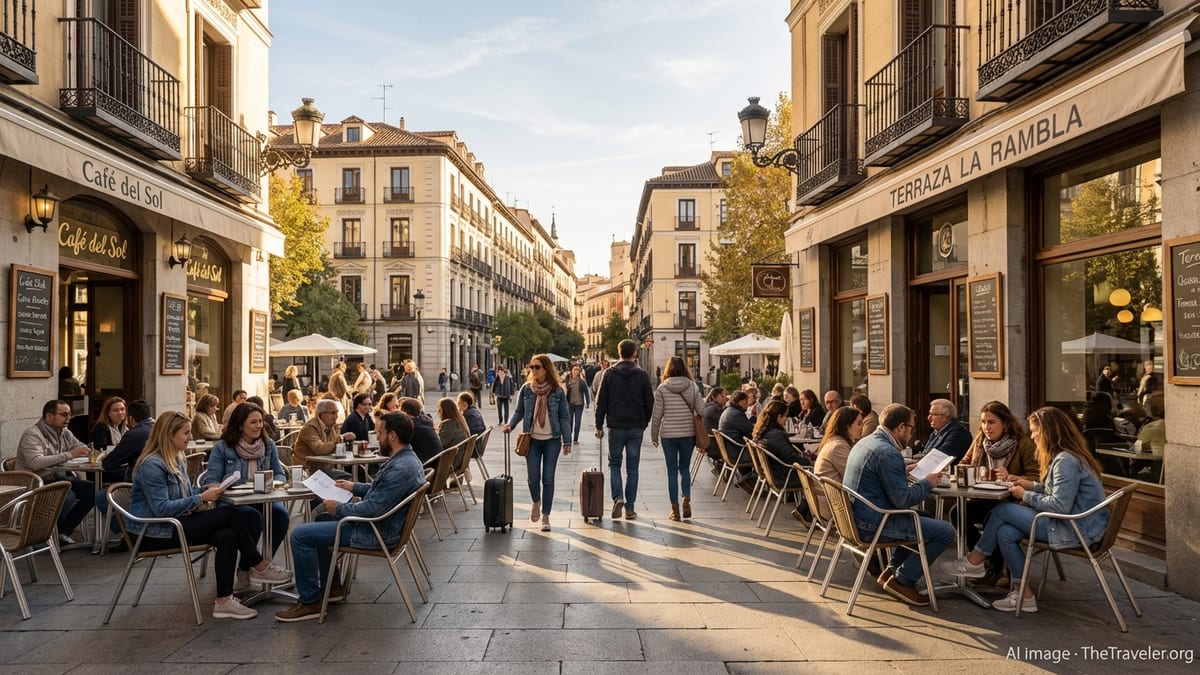
Dinner prices vary sharply by location and choice of venue. Trendy tapas bars in central Barcelona or Madrid, beach clubs in the Balearics or Michelin‑listed restaurants in San Sebastián all price themselves in line with international demand. A few rounds of tapas and drinks at headline venues can rival a mid‑range dinner in other Western capitals. By contrast, family‑run neighbourhood bars, inland taverns and casual eateries a few streets back from the main squares still serve generous plates at far lower prices. The takeaway for travelers is that the difference between an economical stay and an expensive one often lies less in what they eat than in where they choose to sit.
Alcohol can be a budget line item that creeps up quickly in tourist centres. House wine and beer are still relatively cheap in most everyday bars, and supermarket prices remain low. Cocktails in fashionable rooftop bars or clubs, however, are firmly in international big‑city territory. For visitors who enjoy Spain’s bar culture, alternating between local, low‑key venues and a smaller number of destination spots can help keep the overall cost of nights out manageable.
Regional Price Gaps: Cities, Coasts and Inland Spain
One of the biggest misconceptions about the cost of traveling in Spain is that it is uniform across the country. In reality, prices vary widely between regions, and even between neighbourhoods within the same city. High‑demand coastal and island destinations that depend heavily on international tourism tend to show the sharpest increases in accommodation and restaurant prices. Inland regions, smaller cities and less internationally known coastal stretches often remain significantly more affordable for almost every line in a travel budget.
Catalonia, the Balearic Islands and the Canary Islands consistently rank among the top destinations by visitor numbers and hotel profitability, and their prices reflect that status. In parts of the Balearics and luxury pockets of the Costa del Sol, nightly hotel averages now rival those of upscale Mediterranean competitors. Barcelona, while slightly easing off its previous peaks, still commands premium rates close to or above those in Madrid, particularly in its historic centre and beach‑adjacent districts. Travelers paying for central locations in these hubs should be prepared for accommodation costs that can dominate the daily budget.
By contrast, regions like Galicia, Castilla‑La Mancha, Extremadura or Aragón offer very different price dynamics, especially outside the most touristed towns. Hotels, rural guesthouses and rentals tend to be cheaper, restaurant prices more restrained and everyday services less marked up for visitors. Even within popular regions, choosing a base slightly away from the headline resort or city can yield better value while still allowing easy access by train or car for day trips. This is particularly true around Madrid, Valencia, Málaga and the Costa Blanca, where commuter and regional transport links make it realistic to stay one step removed from the highest‑priced districts.
The gap between coastal and inland prices is also evident in seasonal patterns. While beach resorts and island destinations often see dramatic spikes in July and August, many inland cities and rural areas remain comparatively calm and affordable even in high summer. Conversely, during shoulder seasons and winter, some coastal areas reduce rates in an effort to attract visitors, and can become excellent value compared with peak‑month highs. For travelers willing to embrace a slightly different vision of a Spanish holiday, these off‑peak and off‑track destinations are where the country still delivers the relaxed, good‑value travel experience many remember from years past.
Daily Budget Reality: What a Trip Feels Like in 2026
For travelers trying to translate all these trends into a real‑world budget, the main takeaway is that Spain in 2026 rewards planning and flexibility more than ever. The same traveler with the same habits might experience Spain as comfortably affordable in one itinerary and borderline expensive in another, depending entirely on season, destination mix and accommodation choices. There is no single “correct” daily number, but some general ranges can help set expectations.
Backpackers and ultra‑budget travelers who are willing to stay in hostel dorms or very simple guesthouses, cook some of their own meals, rely on city transport and avoid high‑priced nightlife can still keep daily costs relatively low, especially if they focus on off‑season travel and lower‑profile regions. However, this segment has felt the disappearance of rock‑bottom accommodation deals most acutely. Beds that once seemed almost nominal in cost are now anchored by higher minimums across the country, raising the floor of even the leanest daily budgets.
Mid‑range travelers, who make up a large share of Spain’s visitor base, will notice the difference most in their lodging bill. For this group, a comfortable private room in a three‑star city hotel or a well‑reviewed apartment in a prime location often absorbs half or more of the daily spend in peak season. Add in a couple of meals out, coffee breaks, modest cultural activities and local transport, and daily expenses can climb faster than anticipated. Careful choices on just one or two categories, such as trading a central luxury hotel for a nearby mid‑range property or making lunch rather than dinner the main restaurant meal, can significantly ease that pressure.
Travelers seeking higher‑end experiences will find that Spain can now rival other European capitals in room rates at the luxury level, particularly in cities with a growing stock of five‑star properties and in prestige beach destinations. Upscale tasting menus, private tours and premium experiences have also become more sophisticated and more expensive. The upside is that the quality of service and product in this tier has risen sharply in recent years. For those with room in their budgets, Spain today offers a polished high‑end tourism ecosystem, but it is no longer the place where everything at the top end quietly undercut its neighbours.
How to Keep Spain Affordable: Practical Strategies
Despite headlines about soaring tourism prices, Spain does not have to be a budget‑breaker. Many of the factors driving up costs are highly concentrated: specific neighbourhoods, peak summer months, luxury segments and last‑minute bookings. Travelers who are willing to adjust even a few of these variables can often bring total costs back into a comfortable zone without feeling that they are missing out on what makes Spain special.
One of the most powerful levers is timing. Shifting a trip from August to May or October can transform both prices and the on‑the‑ground experience, especially on the Mediterranean coast and islands. Hotel rates drop, tables at popular restaurants are easier to secure, and the overall pace is less frantic. Similarly, midweek stays often undercut weekend prices in cities with strong leisure demand. Building flexibility into flight and accommodation searches to compare dates can quickly highlight quieter windows where budgets stretch further.
Geography is the second major lever. Combining one or two big‑name destinations with time in smaller cities or rural areas helps balance the budget while adding variety. For example, a traveler might spend a few nights in Barcelona but base themselves in a cheaper nearby coastal town for the rest of the stay, using regional trains for day trips. Inland regions with rich cultural and culinary traditions but fewer international visitors can deliver some of the country’s most memorable experiences at a fraction of big‑city costs.
Within each destination, making conscious trade‑offs on accommodation and dining helps keep spending aligned with expectations. Booking well in advance, comparing hotels with emerging guesthouse and apartment options and being open to staying just outside the historic centre can all unlock savings. On the food side, many travelers find it effective to make lunch the main restaurant meal of the day, take advantage of fixed‑price menus and opt for more informal tapas or picnic dinners. Public transport, free museum days, city parks and beaches all provide low‑cost ways to experience Spanish life between paid attractions.
The Takeaway
Traveling in Spain right now means navigating a tourism landscape at its most buoyant and its most expensive in modern history. Record visitor numbers and strong spending have pushed hotel rates and other travel‑related prices to new highs, particularly in marquee destinations and during peak periods. What used to be a reliably low‑cost Mediterranean escape now feels closer to the European mainstream, at least in the most visible corners of the country.
Yet the underlying value proposition that made Spain so attractive in the first place has not disappeared. Everyday life costs, especially outside the tightest tourist zones, can still be moderate. A well‑timed menú del día, a local bar far from the main square, a family‑run guesthouse in an under‑the‑radar town and a regional train to a lesser‑known city remain within reach for many travelers. Spain today rewards curiosity, planning and flexibility, offering a spectrum of experiences from budget‑friendly to unabashedly luxurious.
For visitors willing to look beyond the obvious and to travel outside the most crowded weeks, the country still delivers a compelling mix of culture, food, landscapes and urban energy at prices that, while higher than in the recent past, can feel fair relative to what is on offer. The real cost of traveling in Spain in 2026 is not only measured in euros spent, but also in how thoughtfully each itinerary is crafted to balance desire, comfort and value.
FAQ
Q1. Is Spain still a cheap destination compared with other European countries?
Spain is less of a bargain than it was a few years ago, but it often remains cheaper than northern capitals for daily expenses, especially outside the most touristed areas.
Q2. How much have hotel prices in Spain increased recently?
Average hotel rates have climbed steadily since the pandemic, with national averages now well above 2019 levels and many popular areas setting record nightly prices.
Q3. Are short‑term rentals cheaper than hotels in Spanish cities?
Not always. In central neighbourhoods of cities like Barcelona or Madrid, high demand and regulation mean many short‑term rentals now price close to or above mid‑range hotel rooms.
Q4. What is the best way to save on transport within Spain?
Booking intercity trains or buses in advance, using regional services instead of always choosing high‑speed options and relying on metro and bus networks in cities are effective ways to cut transport costs.
Q5. When is the cheapest time of year to travel to Spain?
Generally, late autumn, winter and early spring outside major holidays are cheaper, with lower accommodation rates and fewer crowds, particularly in coastal and island destinations.
Q6. Can tourists use Spain’s new national public transport pass?
The announced 60‑euro national pass is designed mainly for residents, and specific access rules for visitors are still evolving, so travelers should not rely on it as their main budget strategy.
Q7. How expensive is eating out in Spain now?
Prices have risen, especially in tourist hotspots, but set‑price lunches, neighbourhood bars and meals away from main squares can still be very good value compared with many other European countries.
Q8. Are certain regions of Spain noticeably cheaper than others?
Yes. Inland regions and smaller cities typically offer lower accommodation and restaurant prices than major coastal resorts, islands and big urban centres such as Barcelona or Madrid.
Q9. Do I need to book everything far in advance to get good prices?
For peak summer dates, major events and popular coastal or island destinations, early booking is increasingly important to secure reasonable rates, particularly for mid‑range and budget accommodation.
Q10. Is traveling in Spain with a family significantly more expensive now?
Rising accommodation and attraction costs mean family trips do add up faster, but choosing apartments, traveling off‑season and focusing on free or low‑cost activities can keep budgets manageable.