

More news on this day
The phrase “Thailand tattoo” is trending across social media, but travel commentators warn it has little to do with body art and everything to do with the marks an unprepared trip to the kingdom can leave behind.
Get the latest news straight to your inbox!
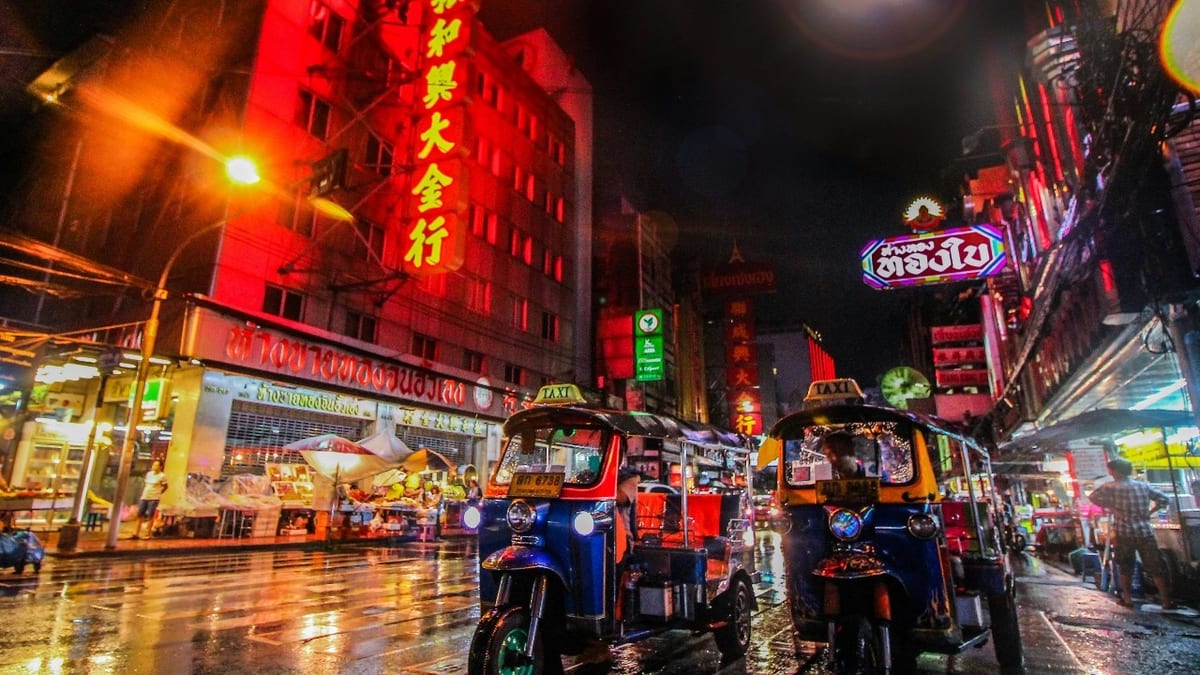
Image by India Today
From catchy phrase to cautionary meme
The term “Thailand tattoo” has been popularized in recent weeks by travel influencers using it as shorthand for the lasting consequences of a chaotic holiday in the country. A recent explainer by Indian travel outlet Curly Tales noted that the expression does not describe inked skin at all, but rather the figurative scars tourists may bring home in the form of injuries, scams or emotional distress after poor planning or risky choices.
According to publicly available social media posts, the phrase is being shared in short videos that dramatize common mishaps: scooter crashes without helmets, severe sunburns, lost passports and late-night bar disputes. The punchline is that these experiences become a kind of “tattoo” on a traveler’s memory, impossible to erase once the holiday ends.
What began as a tongue-in-cheek expression is now being picked up by travel blogs and forums as a convenient label for a broader conversation about safety. Online discussions increasingly frame the “Thailand tattoo” as a warning that the country’s laid-back reputation can lull visitors into overlooking basic precautions.
Beyond ink: real risks behind the metaphor
Thailand remains one of the world’s most popular destinations, with its beaches, nightlife and comparatively low prices attracting millions of visitors each year. Yet travel advisories and independent safety guides consistently point to recurring hazards: road accidents involving rented motorbikes, alcohol-fueled incidents, theft of bags and phones, and occasional clashes in party districts.
Recent travel etiquette guides for 2025 emphasize that motorbike rentals are a leading source of injuries among foreign visitors, particularly when travelers ride without licenses, helmets or insurance. Reports also highlight unsafe driving practices, overloaded vehicles and limited enforcement in some tourist zones. These factors, combined with unfamiliar traffic conditions, can turn a quick ride to the beach into a life-altering event.
Published safety briefings additionally flag issues ranging from strong rip currents and jellyfish on popular islands to poorly regulated adventure activities such as zip lines or cliff jumps. The “Thailand tattoo” phrase is now being used in some commentaries to encapsulate these avoidable dangers and to urge holidaymakers to treat them as more than background noise.
On social media, long-running threads by frequent visitors point out that Thailand is not uniquely dangerous, but that some travelers underestimate the risks because of relaxed local atmospheres and permissive nightlife scenes. In that context, the “tattoo” metaphor serves as a reminder that good memories are not guaranteed.
Actual tattoos add another layer of concern
The country’s longstanding reputation as a tattoo destination adds a literal dimension to the discussion. Thailand is known globally for sak yant, a sacred tattooing tradition, as well as a booming scene of modern studios in Bangkok, Phuket and Chiang Mai. A 2024 feature in Forbes profiled international visitors flying in specifically for intricate Thai designs and rituals.
At the same time, consumer-focused travel safety guides caution visitors to vet studios carefully. Health organizations have warned for years that unsterile equipment, reused needles or poor hygiene can lead to infections, hepatitis or other blood-borne illnesses. Responsible studios in major cities advertise single-use needles and medical-grade sterilization, but low-cost walk-in parlors in party areas may not follow the same standards.
More recently, global travel insurers and medical resources have highlighted a separate hazard: temporary “black henna” body art that can contain a chemical called para-phenylenediamine. International case reports, including incidents in Bangkok, describe tourists who suffered blistering reactions and long-lasting scars after getting such designs on beaches or night markets. These physical marks are now being folded into the “Thailand tattoo” narrative as a literal example of a souvenir that lasts far longer than expected.
Culture, conduct and the cost of disrespect
The “Thailand tattoo” conversation is not only about personal safety but also about cultural missteps that leave an imprint. Travel etiquette advisories updated for 2025 underline that tattoos depicting Buddhist imagery, sacred symbols or the Thai monarchy can cause offense, particularly when placed on lower parts of the body or shown off in bars and clubs.
Publicly available legal explainers point out that Thailand’s strict laws protecting the monarchy can extend to imagery, including tattoos. While enforcement varies, recent commentary urges visitors to avoid designs that portray the king or royal emblems, and to treat Buddhist symbols with respect. The wrong tattoo, shared widely on social media, can quickly attract backlash and, in some cases, legal scrutiny.
In parallel, destination guides warn against filming provocative content for TikTok or Instagram that mocks local customs, disrespects temples or involves risky stunts in public spaces. Viral videos of such behavior have sparked criticism within Thailand and calls for more responsible tourism. In this sense, the “Thailand tattoo” also refers to a digital imprint: videos and posts that continue circulating long after a traveler has flown home.
Observers note that while many Thai communities remain welcoming, patience for deliberately offensive behavior appears to be wearing thin, especially when clips go viral and damage the country’s image. The reputational cost for individual travelers can be considerable, affecting future employment checks or visa applications once their names are attached to controversial footage.
Using the trend as a practical safety checklist
Travel commentators suggest that instead of dismissing the “Thailand tattoo” phrase as social media hype, visitors can use it as a mental checklist before and during their trip. That includes confirming travel insurance coverage for motorbike accidents, wearing helmets, and avoiding riding after drinking. It also means reading local signage on beaches, checking reviews for adventure operators and steering clear of informal outfits that cut corners on safety.
Health-focused travel resources advise travelers who want body art in Thailand to research reputable studios in advance, prioritizing hygiene standards over price or convenience. For those considering temporary designs, experts recommend avoiding black henna entirely and opting only for products from clearly labeled, trusted providers.
On the cultural side, widely shared etiquette guides encourage modest dress at temples, removal of shoes where required and sensitivity around religious and royal imagery. Travelers are also urged to think carefully before recording or sharing videos that could be viewed as mocking or exploitative, recognizing that online exposure can turn a brief lapse in judgment into a permanent digital “tattoo.”
As the viral term continues to spread, it is reshaping how many prospective visitors think about trips to Thailand. For some, it is a gentle joke about the misadventures that are part of travel. For others, it is a serious reminder that a few simple decisions can determine whether the mark left by a Thai holiday is a cherished memory or a lasting regret.